
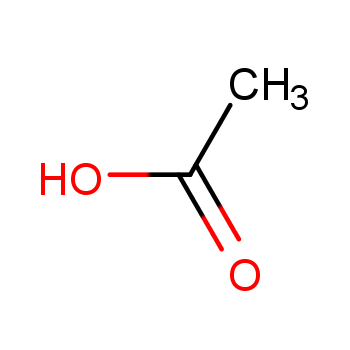
Acetic Acid, with the chemical formula C2H4O2 and CAS number 64-19-7, is a colorless liquid organic compound known for its characteristic sour taste and strong odor. It is widely used in the production of vinegar, a common household item, and is also involved in various industrial applications.
Acetate, with the chemical formula C2H3O2? and CAS number 71-50-1, is the conjugate base of acetic acid, formed when acetic acid loses a proton. Acetate ions are found in many salts and esters and play an important role in biological and chemical processes.
Acetic Acid and Acetate are related but distinct chemical entities. The key difference between them lies in their molecular form—acetic acid is a weak organic acid, while acetate is the anionic form of this acid, typically found in salts and esters. Acetic acid is commonly used in its pure form, while acetate is found in numerous applications, including biological processes, industrial chemicals, and as a part of various chemical compounds.


The synthesis of acetic acid and acetate highlights their close chemical relationship. While acetic acid is often produced through fermentation or chemical processes, acetate is typically created by neutralizing acetic acid or by esterification. Both compounds have crucial roles in various industries and biological functions.
Acetic acid and acetate are integral to numerous chemical and biological processes, each with their own specific uses. Understanding the applications of these compounds reveals how they contribute to diverse industries and biological functions.

Acetic acid is most commonly known for its prominent role in the food industry, particularly in the production of vinegar. Vinegar, which contains acetic acid, is widely used in cooking, food preservation, and even in salad dressings, providing a distinct tangy flavor while also acting as a preservative. Beyond food applications, acetic acid is also a crucial raw material in the chemical industry. It is used to produce a variety of chemicals, such as acetic anhydride, acetic esters, and cellulose acetate. These chemicals are essential intermediates in the production of textiles, plastics, and synthetic fibers, significantly impacting industries like manufacturing and fashion.
Furthermore, acetic acid plays an important role in the pharmaceutical sector, where it is used in the synthesis of various drugs and as a solvent in laboratory procedures. It serves as a vital reagent in organic chemistry, aiding in esterification reactions, where it helps form esters, and functioning as a solvent for numerous compounds. Its versatility extends beyond food and chemicals, making it an indispensable substance in many industrial and scientific fields.
Acetate plays a critical role in biological systems as an essential metabolic intermediate, facilitating numerous vital processes. In cellular metabolism, acetate is a precursor in the production of acetyl-CoA, a key molecule that fuels the citric acid cycle, providing energy and supporting biosynthetic pathways. Acetyl-CoA is integral to the synthesis of fatty acids, cholesterol, and other lipids, playing a pivotal role in cellular growth and maintenance. Additionally, acetate is a key component of neurotransmitters, such as acetylcholine, influencing neural signaling and overall brain function. Its involvement in various biochemical processes underscores its importance in maintaining cellular functions, energy balance, and signaling mechanisms.
In industrial applications, acetate has a broad range of uses, particularly in the textile industry. Acetate is commonly incorporated into fibers and films, with one of the most popular products being rayon, a type of synthetic fiber widely used in clothing, upholstery, and other fabric products. Beyond textiles, acetate compounds are employed as solvents in the production of paints, varnishes, and coatings, enhancing their effectiveness in providing smooth finishes. Acetates are also vital in the manufacture of adhesives and sealants, where their chemical properties make them ideal for bonding materials together, contributing to the durability and functionality of a wide variety of products.
In conclusion, acetic acid and acetate serve distinct but interconnected roles in various industries and biological systems. Acetic acid is primarily used in food production and chemical synthesis, while acetate plays a critical role in biological metabolism and is widely used in the textile and chemical industries. Both compounds are valuable in their respective fields, and their applications underscore their importance in modern technology and life sciences.
| Side Effect |
Acetic Acid |
Acetate |
|---|---|---|
| Corrosiveness | Highly corrosive, can cause burns or irritation on skin and eyes | Non-corrosive in its salt form, but can cause irritation in concentrated solutions |
| Odor | Strong, pungent odor | Odorless in salt form |
| Environmental Impact | Can contribute to environmental pollution if improperly disposed | Generally considered environmentally safe in most applications |
If you're looking to purchase these compounds, Guidechem is your go-to platform for sourcing high-quality raw materials and reliable suppliers. With our extensive global network, we connect you to a wide range of Acetic Acid suppliers and Acetate suppliers, ensuring you find the right products to meet your specific research or production requirements. Whether you're in pharmaceuticals, food additives, or other industries, Guidechem simplifies the sourcing process, offering verified supplier information, competitive pricing, and seamless communication.
[1]Acetic Acid and its Applications by J. H. Thompson.
[2]Acetates in Industrial Applications by D. M. Roberts.
[3]The Role of Acetate in Biological Metabolism in Journal of Biological Chemistry.
[4]Production and Use of Acetate Salts in Industrial Chemistry.
 |
 |
 |


 2YRS
2YRS


