
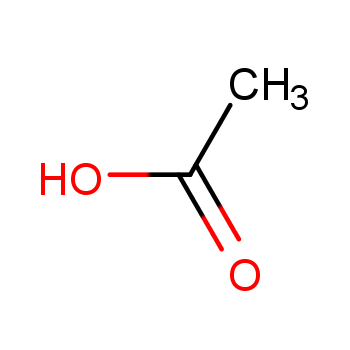
Acetic Acid, with the chemical formula CH3COOH and CAS number 64-19-7, is a monoprotic acid that is widely used in various industrial and chemical processes. It is a key component in the production of vinegar, as well as in the synthesis of numerous chemicals.
Acetic Anhydride, with the chemical formula (CH3CO)2O and CAS number 108-24-7, is a highly reactive compound derived from acetic acid. It is commonly used as a reagent in the synthesis of various organic compounds, and its primary application is in the production of acetylated products such as aspirin and cellulose acetate.
Acetic Acid and Acetic Anhydride are two closely related compounds with distinct chemical properties. The primary difference lies in their chemical structure and reactivity. Acetic Acid is a weak acid that forms salts when reacted with bases, while Acetic Anhydride is a more reactive compound that is used primarily as an acetylating agent.


The synthesis of acetic acid typically involves simpler processes like oxidation or hydrolysis, while acetic anhydride requires the removal of water through a dehydration reaction. Both compounds are derived from acetic acid but differ significantly in their synthesis methods due to their distinct chemical properties.
Acetic acid and acetic anhydride are both widely used in industry, but they serve different purposes due to their chemical differences. Acetic acid is primarily used in the food industry, chemical manufacturing, and as a solvent, while acetic anhydride plays a critical role as a reagent in organic synthesis.

Acetic acid is most commonly recognized for its role in the production of vinegar, which is widely used as both a condiment and preservative in the food industry. As a versatile compound, it is also integral to the manufacture of a variety of chemicals, including acetic anhydride, acetate esters, and acetic acid derivatives. These chemicals serve as key intermediates in the production of other substances, such as plastics, synthetic fibers, and solvents, highlighting acetic acid's significance in multiple industrial sectors. Its versatility extends further into areas like textiles, where it is used to produce fibers like acetate, and in the plastics industry for creating polymers like PET.
Beyond its industrial applications, acetic acid is crucial in the pharmaceutical and cosmetic industries. It functions as a solvent, helping dissolve active ingredients in formulations, and also acts as a pH regulator to maintain the stability of various products. In medicine, acetic acid plays a vital role in diagnostics. For example, it is used in the preparation of acetic acid for the detection of abnormal cells in the Pap smear test, aiding in the early detection of cervical cancer. This broad array of applications underscores the importance of acetic acid in both industrial and medical fields.
Acetic anhydride is primarily used as a reagent in organic chemistry, with one of its most significant applications being the synthesis of acetylated products such as aspirin and cellulose acetate. When acetic anhydride reacts with compounds, it forms acetates, which are essential in the production of pharmaceuticals, dyes, and polymers. This ability to acetylate makes acetic anhydride indispensable in the chemical industry, enabling the creation of a wide range of important substances. Beyond its role in acetylation reactions, acetic anhydride is also used in the manufacture of explosives, such as triacetone triperoxide (TATP), due to its highly reactive nature. Additionally, acetic anhydride is crucial in preparing certain chemical derivatives that play vital roles in various industrial and chemical processes, contributing to the synthesis of materials used in diverse applications, from medicine to manufacturing.
In summary, acetic acid is a versatile compound used in a wide range of industries, including food production, chemical manufacturing, and pharmaceuticals. Its mild acidity and ability to form salts make it a valuable compound for various applications. On the other hand, acetic anhydride is a more reactive compound, mainly used as a reagent in organic synthesis and for producing acetylated products. Both compounds play crucial roles in the chemical industry, but their applications differ significantly due to their distinct chemical properties.
| Side Effect |
Acetic Acid |
Acetic Anhydride |
|---|---|---|
| Corrosive Properties | Can cause irritation to the skin, eyes, and respiratory system | Highly corrosive, can cause severe burns and irritation |
| Environmental Impact | Can contribute to environmental pollution if not disposed of properly | Can be hazardous to the environment, particularly in water sources |
| Handling Difficulty | Requires careful handling to avoid spills or exposure | Due to its high reactivity, acetic anhydride requires even more stringent safety measures |
If you're looking to purchase these compounds, Guidechem is your go-to platform for sourcing high-quality raw materials and reliable suppliers. With our extensive global network, we connect you to a wide range of Acetic Acid suppliers, ensuring you find the right products to meet your specific research or production requirements. Whether you're in pharmaceuticals, food additives, or other industries, Guidechem simplifies the sourcing process, offering verified supplier information, competitive pricing, and seamless communication.
[1]The Chemistry of Acetic Acid and its Derivatives by E. J. Thiele.
[2]Applications of Acetic Anhydride in Organic Synthesis by F. B. Phillips.
[3]Environmental Impact of Acetic Acid and Acetic Anhydride in Journal of Industrial Chemistry.
[4]Acetic Acid: Industrial Uses and Applications in Chemical Engineering Journal.
 |
 |
|


 2YRS
2YRS


