
Ammoniated Soap of Fatty Acids is a natural herbicide composed of ammonium salts of fatty acids, typically derived from plant oils or animal fats. Ammonium nonanoate, a close relative of ammonium salt of fatty acids (often referred to as soap salts), is closely related to other similar compounds. It degrades quickly through biodegradation, primarily due to microbial activity, with a likely half-life of less than one day.
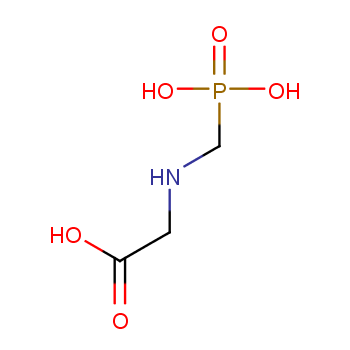
Glyphosate, with the chemical formula C3H8NO5P and CAS number 1071-83-6, is a broad-spectrum systemic herbicide. It works by inhibiting a key enzyme in the synthesis of essential amino acids in plants, which eventually leads to plant death. Glyphosate is one of the most widely used herbicides globally, especially in agricultural practices for controlling a wide variety of weeds.
The key difference between Ammoniated Soap of Fatty Acids and Glyphosate lies in their composition, mode of action, and environmental impact. Ammoniated soap of fatty acids is a non-systemic contact herbicide, meaning it does not move within the plant after application, while glyphosate is systemic, meaning it is absorbed by the plant and translocated throughout its tissues. Additionally, the environmental concerns related to glyphosate use, especially regarding water contamination and biodiversity, have led to a rise in the demand for more eco-friendly alternatives such as ammoniated soap of fatty acids.

Both ammoniated soap of fatty acids and glyphosate are produced through chemical reactions involving specific organic compounds. However, while ammoniated soap of fatty acids is derived from natural sources like plant oils and fatty acids, glyphosate is a synthetic compound requiring more complex chemical synthesis.
Both ammoniated soap of fatty acids and glyphosate are widely used in agriculture, gardening, and land management, but their applications differ due to their distinct mechanisms of action and environmental impacts.

Ammoniated Soap of Fatty Acids is a popular choice in organic farming as a natural herbicide, providing an effective alternative to synthetic options like glyphosate. This product is particularly useful in controlling a variety of broadleaf and grassy weeds, offering a safer, non-toxic option for farmers who prioritize eco-friendly and sustainable agricultural practices. The herbicide functions as a contact herbicide, meaning it works by directly affecting the plant's leaves upon application. It disrupts the plant's cell membranes, leading to rapid desiccation and eventual death of the plant. This targeted action helps minimize harm to surrounding crops and the environment. One significant advantage of ammoniated soap of fatty acids is its biodegradability. It breaks down quickly, with a half-life of less than one day in both soil and water, reducing the risk of long-term environmental contamination.
In addition to its role in organic farming, ammoniated soap of fatty acids is also commonly used in residential gardens and urban landscapes for weed control. As it does not persist in the soil, it poses a reduced risk of soil degradation and contamination compared to glyphosate. However, while it offers a relatively low environmental impact, it may require repeated applications to effectively manage weeds, especially in wet or humid conditions. It is particularly less effective against weeds with deep roots or perennial species, which may require more frequent treatments. Thus, while ammoniated soap of fatty acids is an attractive option in organic and residential settings, its need for multiple treatments can make it less convenient and cost-effective in large-scale operations.
Glyphosate remains one of the most widely used herbicides globally, known for its systemic action that targets a broad spectrum of weeds, including both annual and perennial species. When applied, glyphosate is absorbed by the plant's foliage and translocated through the vascular system to the roots, effectively killing the entire plant, including deeply rooted weeds such as poison ivy, bindweed, and other persistent species. This systemic action makes glyphosate particularly valuable in large-scale agriculture, forestry, lawn care, and invasive plant management, where the goal is to control weeds that may be difficult to eradicate with contact herbicides alone.
In agricultural settings, glyphosate is often used in conjunction with genetically modified crops that are resistant to the herbicide, allowing farmers to effectively manage weeds without damaging the crops themselves. Despite its effectiveness, glyphosate has come under scrutiny in recent years due to concerns about its potential environmental and health risks. Issues such as water contamination, potential links to cancer, and its impact on biodiversity have led to growing calls for reducing its use. As a result, some regions are actively exploring and adopting more sustainable alternatives, such as ammoniated soap of fatty acids, which offer less environmental and health risk. While glyphosate’s role in large-scale agriculture remains significant, its negative environmental and health implications have prompted a shift towards more natural, safer options for weed control.
In conclusion, Ammoniated Soap of Fatty Acids vs Glyphosate presents a contrast between a more eco-friendly, contact herbicide and a highly effective, systemic herbicide. Ammoniated soap of fatty acids is a biodegradable and organic option that is especially suitable for use in organic farming and residential gardens, where environmental sustainability is a priority. Glyphosate, on the other hand, remains a go-to solution for large-scale agricultural applications due to its proven effectiveness in controlling a wide variety of weeds. However, as environmental concerns rise, many farmers and gardeners are turning to alternatives like ammoniated soap of fatty acids for a safer and more sustainable approach to weed management.
| Side Effect |
Ammoniated Soap of Fatty Acids |
Glyphosate |
|---|---|---|
| Digestive Issues | None | Rare, but can cause nausea or vomiting with direct exposure |
| Environmental Impact | Low environmental persistence, biodegradable | Can persist in soil and water, potentially harming aquatic ecosystems |
| Toxicity to Non-Target Species | Non-toxic to most animals; however, direct contact can harm beneficial insects | Toxic to many non-target organisms, including bees and aquatic life |
| Effectiveness Against Weeds | Effective primarily for annual and smaller weeds | Highly effective against a wide range of weeds, including deep-rooted ones |
| Application Frequency | May require more frequent applications for larger or perennial weeds | Longer-lasting effect, reducing the need for frequent applications |
When deciding between Ammoniated Soap of Fatty Acids and Glyphosate for weed control, it is important to consider your environmental impact, health concerns, and the specific type of weeds you are dealing with. Ammoniated Soap of Fatty Acids is a natural, biodegradable herbicide that is less harmful to the surrounding environment and non-target organisms. It is an excellent choice for those looking for an eco-friendly, sustainable solution for weed control, particularly in organic farming or residential gardens. This herbicide works best for smaller, annual weeds and requires more frequent applications, especially in humid or rainy conditions.
On the other hand, Glyphosate is a more powerful and systemic herbicide, effective against a wide range of weeds, including those with deep roots. Glyphosate's ability to translocate through the plant allows it to target perennial weeds, making it a superior option for large-scale agricultural use or for challenging, invasive weed species. However, it is not without controversy, as concerns about its environmental impact and potential health risks have led to increased scrutiny of its widespread use. If you are considering glyphosate, it is essential to weigh its effectiveness against the potential risks it may pose to non-target species and ecosystems.
Ultimately, if you're seeking a more environmentally conscious and safe herbicide with fewer long-term ecological effects, Ammoniated Soap of Fatty Acids would be the superior choice. It is ideal for organic farming, smaller garden plots, and areas with concerns about wildlife or water contamination. However, if you need an herbicide that is effective against a broad spectrum of weeds, including deep-rooted perennials, and can withstand less frequent applications, Glyphosate may be the better option.
*For the best results and to ensure that you are using the most appropriate herbicide based on your specific needs, it is highly recommended to consult with a local agricultural expert or environmental professional. They can help guide your decision-making process while considering the best practices for weed control in your area.
If you're looking to purchase these compounds, Guidechem is your go-to platform for sourcing high-quality raw materials and reliable suppliers. With our extensive global network, we connect you to a wide range of Glyphosate suppliers, ensuring you find the right products to meet your specific research or production requirements. Whether you're in pharmaceuticals, food additives, or other industries, Guidechem simplifies the sourcing process, offering verified supplier information, competitive pricing, and seamless communication.
[1]Ammoniated Soap of Fatty Acids as an Herbicide by K. S. Thompson.
[2]Glyphosate and Its Environmental Impact by J. D. Williams.
[3]Alternative Herbicides for Organic Farming in Environmental Sciences Journal.
[4]Understanding the Mechanism of Glyphosate Action in Journal of Agricultural Chemistry.
|
 |
 |


 13YRS
13YRS

