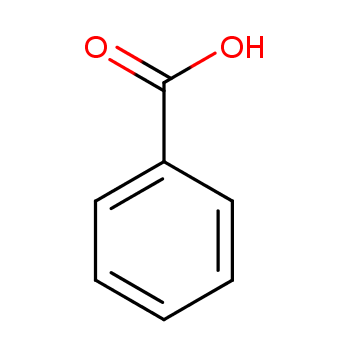
Benzoic Acid, with the chemical formula C7H6O2 and CAS number 65-85-0, is a simple aromatic carboxylic acid that is commonly used as a preservative in food, cosmetics, and pharmaceuticals. It also plays an important role in the production of various industrial chemicals.
Benzoyl Peroxide, with the chemical formula C14H10O4 and CAS number 94-36-0, is an organic compound primarily known for its use in acne treatments. It has potent bactericidal properties and acts as an oxidizing agent, helping to clear acne by reducing surface bacteria on the skin.
Benzoic Acid and Benzoyl Peroxide are both organic compounds that share a similar chemical backbone, but they serve very different purposes. While both compounds are used in various industries, the key difference between them lies in their applications. Benzoyl Peroxide, when applied to the skin, helps treat acne by breaking down into Benzoic Acid, which is absorbed by the body and excreted through the kidneys. This transformation makes Benzoyl Peroxide an effective antiseptic and oxidizing agent in dermatology. In contrast, Benzoic Acid is primarily used as a preservative and in the production of chemicals such as dyes and plastics.


The synthesis methods of both compounds highlight their differing roles in industry. Benzoic Acid is synthesized through oxidation or carboxylation reactions, focusing on creating a simple carboxylic acid for use in preservatives and chemical production. On the other hand, Benzoyl Peroxide is produced through a reaction involving hydrogen peroxide to yield an oxidizing compound that plays a significant role in treating acne and other dermatological conditions.
Benzoic Acid and Benzoyl Peroxide, despite their similar chemical origins, serve distinct and important roles in various industries. Their applications span across food preservation, pharmaceuticals, cosmetics, and industrial manufacturing, each based on their unique chemical properties.

Benzoic Acid is widely recognized for its antimicrobial properties, particularly its ability to prevent the growth of mold, yeast, and bacteria. In food and beverage industries, it is frequently used as a preservative in products like pickles, fruit juices, and sauces, where it extends shelf life without altering the taste or texture of the product. Its role in food preservation is supported by its ability to inhibit microbial growth, especially in acidic environments.
Benzoic Acid is also a vital intermediate in the production of industrial chemicals. It is used in the manufacture of plastics, dyes, resins, and synthetic fibers. For example, benzoic acid is crucial in the production of phthalates, a group of chemicals used as plasticizers. In the pharmaceutical industry, it is utilized in the synthesis of certain drugs and as a mild antiseptic in topical formulations. Its versatility in various sectors makes it an essential compound in modern industry.
In cosmetics, Benzoic Acid serves as a preservative in skincare products such as lotions, creams, and shampoos. It helps prevent the growth of harmful microorganisms, ensuring the safety and stability of these products. However, its use is regulated due to potential irritation in sensitive individuals, especially when used in high concentrations.
Benzoyl Peroxide is most commonly associated with the treatment of acne due to its potent antibacterial and keratolytic properties. It works by reducing the number of acne-causing bacteria on the skin and by helping to clear pores that become clogged with excess sebum and dead skin cells. It is available in various topical formulations such as creams, gels, and cleansers, and is used both over-the-counter and in prescription-strength treatments.
Benzoyl Peroxide is not limited to just acne treatments; it also plays a role in the treatment of other skin conditions. It has been used as part of treatments for conditions such as rosacea and certain types of eczema, where its ability to reduce inflammation and kill bacteria makes it an effective option. Additionally, Benzoyl Peroxide is used in dental care products to help control bacteria in the mouth, aiding in the prevention of gum disease and tooth decay.
One of Benzoyl Peroxide’s key advantages is its ability to act as an oxidizing agent, which means it can help remove impurities and excess oil from the skin. However, this property can also lead to dryness and irritation, especially for individuals with sensitive skin. As a result, products containing Benzoyl Peroxide are often recommended for use in moderation and with appropriate aftercare to prevent skin damage.
Beyond skincare, Benzoyl Peroxide is also used in the manufacturing of polymer resins and plastics, where its role as a polymerization initiator is critical. In these applications, it helps to catalyze the production of various synthetic materials used in everything from packaging to automotive parts.
In conclusion, while both Benzoic Acid and Benzoyl Peroxide are organic compounds with distinct chemical structures, their applications differ greatly. Benzoic Acid is primarily used in food preservation, industrial manufacturing, and as a mild preservative in cosmetics. Its broad use in various sectors, including pharmaceuticals and chemicals, highlights its versatility. On the other hand, Benzoyl Peroxide is most known for its role in acne treatment and skincare, where it serves as an antibacterial and exfoliating agent. Its oxidizing properties also find use in the production of plastics and resins. Both compounds offer unique benefits, making them valuable in their respective fields.
| Side Effect |
Benzoic Acid |
Benzoyl Peroxide |
|---|---|---|
| Skin Irritation | Rare, but prolonged exposure can cause skin irritation or allergic reactions | Common, may cause redness, dryness, or peeling of the skin |
| Toxicity | Unlikely to cause toxicity in low concentrations | Potentially toxic if ingested in large amounts, especially in sensitive individuals |
| Allergic Reactions | Rare, but can cause rashes or irritation on sensitive skin | Rare, but can cause swelling or difficulty breathing in extreme cases |
| Environmental Impact | May contribute to environmental pollution if disposed of improperly | Can degrade into harmful byproducts when exposed to certain environmental conditions |
If you're looking to purchase these compounds, Guidechem is your go-to platform for sourcing high-quality raw materials and reliable suppliers. With our extensive global network, we connect you to a wide range of Benzoic Acid suppliers and Benzoyl Peroxide suppliers, ensuring you find the right products to meet your specific research or production requirements. Whether you're in pharmaceuticals, food additives, or other industries, Guidechem simplifies the sourcing process, offering verified supplier information, competitive pricing, and seamless communication.
 |
|
 |


 2YRS
2YRS


