
Mandelic acid, with the chemical formula C8H8O3 and CAS number 90-64-2, is an aromatic alpha-hydroxy acid that is commonly used in skincare and pharmaceuticals. It is known for its ability to exfoliate the skin and treat acne, while also having mild antibacterial properties.
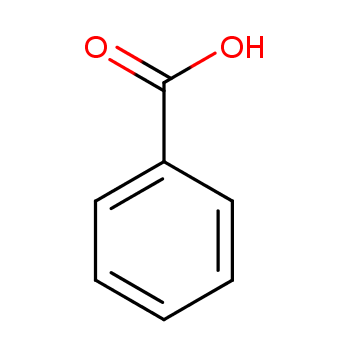
Benzoic acid, with the chemical formula C7H6O2 and CAS number 65-85-0, is a simple aromatic carboxylic acid used in various industrial applications, including the manufacturing of plastics, food preservatives, and in cosmetics. Benzoic acid is known for its antifungal properties and is also used in the treatment of skin conditions.
Mandelic acid vs Benzoic acid: These two compounds share a similar structure and are often compared due to their uses in skincare and other industries. However, they differ significantly in their chemical structure, applications, and biological activities. Mandelic acid contains an additional hydroxyl group, which gives it unique exfoliating properties and makes it less harsh than other alpha-hydroxy acids (AHAs). Benzoic acid, on the other hand, is primarily known for its role as a preservative and antimicrobial agent.


Both mandelic acid and benzoic acid involve aromatic ring structures with carboxyl groups, but the key difference lies in the additional hydroxyl group in mandelic acid. This makes mandelic acid slightly more complex to synthesize compared to benzoic acid.
Mandelic acid and benzoic acid are both aromatic organic compounds with diverse applications, not only in pharmaceuticals and skincare but also in various industrial sectors. Despite their structural similarities, these two acids serve distinct roles and demonstrate unique properties that make them indispensable in different industrial processes. Both are involved in chemical synthesis, product preservation, and serve as essential intermediates in manufacturing, but they diverge in their uses, particularly when applied on a large scale.

Mandelic acid, known for its gentle exfoliating properties, is a primary component in skincare products designed to treat acne, hyperpigmentation, and other dermatological conditions. However, its applications extend beyond personal care, making it an important compound in both pharmaceutical and industrial sectors. As an alpha-hydroxy acid (AHA), mandelic acid’s ability to remove dead skin cells is leveraged in the production of specialized chemical peels, which are used in professional skincare treatments. Its molecular size makes it less irritating than other AHAs, which makes it a favorable option for sensitive skin, thus broadening its appeal in dermatology.
Beyond cosmetics, mandelic acid plays a role in the pharmaceutical industry as a mild antibacterial and antifungal agent. It has been used in treating bacterial and fungal infections and in dermatological applications to improve skin texture, reduce scarring, and address sun damage. However, in the industrial sector, mandelic acid is also used as a building block for the synthesis of various specialty chemicals. These include compounds used in the production of dyes, plastics, and resins, where mandelic acid's functional groups serve as precursors in synthetic pathways.
In addition, mandelic acid finds its place in the chemical industry as a catalyst or intermediate in the synthesis of other valuable chemical products, particularly those with antimicrobial properties or used in advanced materials science. Its use as a raw material in high-performance polymers or coatings showcases its versatility beyond its traditional applications.
Benzoic acid has an even broader scope in industrial applications, being a key compound in the production of a variety of chemicals, plastics, dyes, and resins. As a building block for synthesizing benzoates, which are commonly used as preservatives in food, cosmetics, and pharmaceuticals, benzoic acid plays a crucial role in the chemical industry. Benzoates are known for their ability to inhibit the growth of bacteria and fungi, making them invaluable in preserving the shelf-life of many products. This property is harnessed in industries such as food production, where benzoic acid or its derivatives are added to food products to prevent spoilage and maintain quality over time.
In addition to preservation, benzoic acid is used in the manufacturing of synthetic resins and plastics, particularly in the production of polyesters and epoxy resins, which are used in coatings, adhesives, and molded products. The compound's ability to serve as a precursor in the creation of these materials makes it a critical component in the production of industrial and consumer goods.
Benzoic acid’s strong antimicrobial properties also make it a vital ingredient in the pharmaceutical and personal care industries, where it is used in topical ointments and creams to treat fungal infections, acne, and other dermatological issues. Its role as a preservative extends beyond the food industry to pharmaceuticals and cosmetics, where it helps ensure the safety and longevity of sensitive products by preventing microbial contamination.
In the chemical manufacturing sector, benzoic acid is further employed in the production of various chemical intermediates used in the formulation of insecticides, herbicides, and other agrochemicals. Its role as an intermediate compound in the synthesis of active ingredients for crop protection products and other industrial chemicals underscores its widespread utility in agriculture and industry.
While mandelic acid and benzoic acid share some common applications in the pharmaceutical and cosmetic industries, their roles in the broader industrial landscape are distinct. Mandelic acid’s applications in high-end skincare and as an intermediate in specialty chemicals make it a unique player in both personal care and chemical manufacturing sectors. Benzoic acid, on the other hand, stands out for its extensive use in the production of preservatives, plastics, resins, and agrochemicals, playing a critical role in various manufacturing processes that extend well beyond cosmetics. Both acids are versatile compounds, essential to modern industry, but they cater to different needs based on their chemical properties and the industries they serve.
| Side Effect |
Mandelic Acid |
Benzoic Acid |
|---|---|---|
| Skin Irritation | Rare, but may cause redness or stinging | Rare, can cause irritation in sensitive individuals |
| Digestive Issues | Unlikely, typically used topically | Possible, can irritate the gastrointestinal tract if ingested in large amounts |
| Allergic Reactions | Possible, could cause rashes or swelling | Possible, may cause redness or itching |
When choosing between mandelic acid and benzoic acid for your health, it's important to consider your specific skin concerns and sensitivities. Mandelic acid is a gentler exfoliant compared to other AHAs, making it ideal for individuals with sensitive skin or those prone to irritation. It’s known for its ability to treat acne, pigmentation issues, and improve skin texture without causing significant irritation, as its larger molecular size allows for slower penetration, reducing the risk of skin discomfort. For individuals seeking to improve skin tone, reduce acne scars, or tackle fine lines, mandelic acid is an excellent choice.
On the other hand, benzoic acid serves a different purpose. While it also has skin benefits, particularly as an antifungal and antimicrobial agent, it is often used in topical formulations for conditions like fungal infections and mild acne. It can be a more effective preservative and antimicrobial agent in cosmetic formulations, ensuring the stability and longevity of skincare products. However, benzoic acid can be harsher on the skin for those with very sensitive or dry skin, especially when used in higher concentrations.
Ultimately, if you're looking for a product that is more suited for exfoliation, acne treatment, and skin renewal, mandelic acid is the superior choice. It is particularly beneficial for individuals with sensitive skin or those prone to irritation. However, if you're focused on treating fungal infections, acne caused by bacteria, or need a product with preservative properties, benzoic acid might be a better fit. Both acids have unique benefits, and the choice largely depends on your specific skin concerns and tolerance.
*For optimal results and to ensure that you are using the most appropriate acid for your skin type, it is highly recommended to follow the guidance of your dermatologist or healthcare provider. They can help you determine the best option based on your skin needs and sensitivities.
If you're looking to purchase these compounds, Guidechem is your go-to platform for sourcing high-quality raw materials and reliable suppliers. With our extensive global network, we connect you to a wide range of mandelic acid suppliers and benzoic acid suppliers, ensuring you find the right products to meet your specific research or production requirements. Whether you're in pharmaceuticals, skincare, or other industries, Guidechem simplifies the sourcing process, offering verified supplier information, competitive pricing, and seamless communication.
[1]The Chemistry and Uses of Mandelic Acid by A. L. Brown.
[2]Benzoic Acid and Its Applications in Pharmaceuticals by P. J. Harris.
[3]Recent Advances in the Synthesis of Mandelic Acid in Journal of Organic Chemistry.
[4]The Role of Benzoic Acid in Food Preservation in International Journal of Food Science.
[5]Comparison of the Efficacy of Mandelic Acid and Other AHAs in Skincare in Dermatology Review.
|
 |
 |


 2YRS
2YRS


