
Carboxylic Acid, with the chemical formula CnH2n+1COOH, is a class of organic compounds containing a carboxyl group (-COOH). These compounds are typically weak acids and are found in various natural substances such as fatty acids, acetic acid, and citric acid.
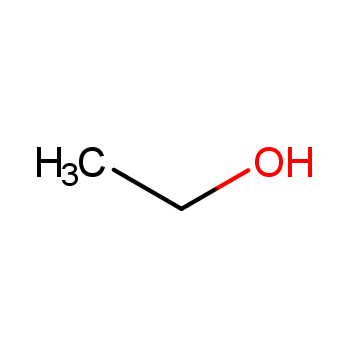
Alcohol, with the chemical formula C2H6O and CAS number 64-17-5, is a group of organic compounds containing a hydroxyl group (-OH). Ethanol, one of the most well-known alcohols, is produced through the fermentation of sugars and concentrated by fractionation.
Carboxylic acid and alcohol are both important organic compounds in chemistry, yet they have significant differences in their chemical structure and properties. The key distinction between the two is the functional group: carboxylic acids contain the -COOH group, while alcohols contain the -OH group. In terms of acidity, carboxylic acids are generally more acidic than their corresponding alcohols due to the resonance stabilization of the carboxylate anion, which makes carboxylic acids more likely to donate a proton in solution.

Both carboxylic acids and alcohols can be synthesized through different chemical reactions, but the key difference lies in the functional groups: carboxylic acids are more easily oxidized to form carbonyl compounds, while alcohols can be hydrated or fermented to form hydroxyl-bearing compounds.
Carboxylic acids and alcohols are both crucial chemical compounds, widely used across various industries due to their distinct properties. While both are organic compounds with different functional groups, their applications vary significantly.

Carboxylic acids, characterized by the -COOH functional group, are commonly used in the chemical industry for the synthesis of various compounds. One of the primary applications of carboxylic acids is in the production of esters. Esters, derived from carboxylic acids and alcohols, are used in fragrances, flavors, and solvents. Additionally, carboxylic acids are important in the manufacture of soaps and detergents through a process called saponification, where fatty acids react with alkali to form soap. They also play a significant role in pharmaceuticals, particularly in the formulation of non-steroidal anti-inflammatory drugs (NSAIDs), such as aspirin.
Carboxylic acids are also widely used in the food industry. Citric acid, for example, is a common acidulant used to enhance flavor and preserve food. Lactic acid, found naturally in milk and yogurt, is used in food production and in the manufacture of biodegradable plastics. Furthermore, carboxylic acids are used in the production of polymers, including nylon and polyester, by reacting with alcohols or other reagents to form complex chains that are integral to many consumer products.
Alcohols, containing the -OH functional group, are versatile compounds used across a wide range of industries. Ethanol, the most commonly used alcohol, is widely utilized as a solvent, especially in the pharmaceutical and cosmetic industries, for the preparation of liquid medications and lotions. Alcohols are also fundamental in the manufacture of alcoholic beverages such as beer, wine, and spirits, where fermentation of sugars produces ethanol. In addition to beverages, ethanol is also used as an industrial solvent and fuel, particularly in the form of ethanol-based fuels or as an additive in gasoline to enhance combustion and reduce emissions.
Alcohols are indispensable in the production of chemicals, including acetone, which is a vital solvent in laboratories and for cleaning purposes. Methanol, another important alcohol, is utilized in the production of formaldehyde and as an antifreeze in automobile engines. Alcohols are also used in the extraction of essential oils from plants, where their solvent properties help separate the active compounds from the raw material.
Biologically, carboxylic acids and alcohols play essential roles in metabolic processes. Alcohols such as ethanol are metabolized in the liver, where they can have both beneficial and harmful effects on the body. Carboxylic acids, on the other hand, are integral to cellular respiration and energy production. Fatty acids, a subgroup of carboxylic acids, are crucial for the formation of cell membranes and the storage of energy in the body.
Environmentally, both carboxylic acids and alcohols need to be handled with care due to their potential impact. Carboxylic acids, when improperly disposed of, can cause soil and water contamination. Alcohols, especially ethanol, can affect aquatic life if released in large quantities. However, ethanol is often regarded as a more eco-friendly fuel alternative due to its renewable sources, such as corn and sugarcane, which help reduce carbon emissions when used as an energy source.
| Drawback |
Carboxylic Acid |
Alcohol |
|---|---|---|
| Corrosiveness | Carboxylic acids can be highly corrosive and irritate skin or mucous membranes. They need to be handled with care in laboratory environments. | Alcohols are generally less corrosive compared to carboxylic acids but can still cause skin irritation and dryness with prolonged exposure. |
| Stability | Some carboxylic acids are unstable under certain conditions and can degrade over time, particularly when exposed to light or heat. | Alcohols tend to be more stable and can be safely stored for long periods without significant degradation. |
| Toxicity | Carboxylic acids, especially strong ones, can be toxic when ingested or inhaled in large quantities. | Alcohols, particularly ethanol, are generally safe in small amounts but can be toxic and harmful when consumed in excess, leading to alcohol poisoning. |
| Environmental Impact | Carboxylic acids, depending on the type, can have significant environmental impacts if disposed of improperly due to their corrosive nature. | Alcohols are generally less harmful to the environment when disposed of correctly, but large quantities can still cause water contamination and affect ecosystems. |
| Odor | Carboxylic acids often have strong, pungent odors that can be unpleasant, especially in concentrated forms. | Alcohols can also have a strong odor, though it is typically less offensive than that of carboxylic acids. However, the odor of alcohols can linger in enclosed spaces. |
In conclusion, carboxylic acids and alcohols have distinct chemical structures and properties that determine their applications. Carboxylic acids are more acidic and react with sodium bicarbonate to produce carbon dioxide, making them useful in food, pharmaceuticals, and industrial applications. Alcohols, on the other hand, are widely used in beverages, disinfectants, and as solvents in manufacturing. Understanding the differences between these two types of compounds is crucial for their appropriate use in various fields.
If you're looking to purchase these compounds, Guidechem is your go-to platform for sourcing high-quality raw materials and reliable suppliers. With our extensive global network, we connect you to a wide range of Alcohol suppliers, ensuring you find the right products to meet your specific research or production requirements. Whether you're in pharmaceuticals, food additives, or other industries, Guidechem simplifies the sourcing process, offering verified supplier information, competitive pricing, and seamless communication.
[1]The Chemistry of Organic Compounds by A. B. Smith.
[2]Organic Chemistry: Principles and Mechanisms by D. J. Roberts.
[3]Introduction to Organic Chemistry in Journal of Chemical Education.
[4]Food Chemistry and Additives by P. L. Walker.
 |
|
 |



 1YR
1YR


