
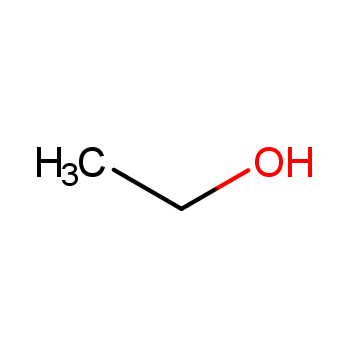
Rubbing Alcohol, with the chemical formula C2H6O and CAS number 64-17-5, is a versatile organic compound widely used as a disinfectant and cleaning agent. It is typically derived through the fermentation of sugars or synthesized using industrial processes. As a powerful antiseptic, rubbing alcohol is effective in killing bacteria, viruses, and other pathogens, making it a staple in medical and household applications.
Witch Hazel is a natural distillate obtained from the Witch Hazel plant (Hamamelis virginiana) through steam distillation. It contains tannins and other bioactive compounds, offering soothing and anti-inflammatory properties. Unlike rubbing alcohol, witch hazel is not an alcohol-based compound, although some formulations may include pure ethyl alcohol as a preservative. Witch hazel is commonly used in skincare for its gentle astringent properties, making it a popular ingredient in toners and treatments for oily or acne-prone skin.
While both rubbing alcohol and witch hazel serve as cleaning agents, their chemical nature and applications differ significantly. Rubbing alcohol is a synthetic compound used primarily for disinfection, whereas witch hazel is a plant-derived extract valued for its skin-soothing effects.

The primary difference in synthesis lies in the source and production methods: rubbing alcohol is a purely synthetic or fermented chemical compound, while witch hazel is a natural extract obtained through distillation. The optional addition of alcohol to witch hazel during processing creates variations, allowing for tailored formulations to suit specific skin care and health needs.
Rubbing alcohol and witch hazel are two widely used compounds with distinct applications, particularly in skincare, household cleaning, and medical practices. Both have their own set of advantages tailored to different needs, making them invaluable in their respective contexts. Below, we delve into the applications of each compound in detail.

Rubbing alcohol, also known as isopropyl alcohol, is primarily utilized for its potent disinfectant properties. Its ability to kill bacteria, fungi, and viruses makes it an essential tool in medical and household settings. Rubbing alcohol is commonly used to clean skin before injections, ensuring a sterile surface and reducing the risk of infections. In addition, it serves as an effective antiseptic for minor cuts and abrasions, speeding up the healing process by preventing microbial growth.
In skincare, rubbing alcohol is often applied to reduce the size of pimples due to its drying effect. By eliminating bacteria on the skin, it helps to minimize the inflammation associated with acne. However, its strong astringent nature can strip the skin of essential oils, leading to dryness. Therefore, it is recommended to use rubbing alcohol sparingly and follow up with a moisturizer to maintain the skin's natural barrier.
Moreover, rubbing alcohol is highly effective in removing grease, oil, and other contaminants, making it a versatile cleaning agent. It is widely used to disinfect surfaces, including countertops, electronic devices, and tools, ensuring a hygienic environment.
Witch hazel, a natural extract from the witch hazel plant, is celebrated for its gentle astringent and anti-inflammatory properties. Unlike rubbing alcohol, witch hazel can remove excess oil and impurities from the skin without causing dehydration, making it a popular choice for individuals with sensitive or acne-prone skin. It is often used as an active ingredient in toners and cleansers designed to combat oily skin and minimize the appearance of pores.
The versatility of witch hazel extends to treating minor skin irritations such as insect bites, razor burns, and sunburns. Its soothing properties provide relief from itching and redness, making it a natural alternative to synthetic chemical treatments. Additionally, witch hazel is used to reduce swelling and inflammation, promoting faster recovery for irritated skin.
Witch hazel products come in formulations with or without alcohol. Alcohol-free versions are particularly beneficial for those with dry or sensitive skin, as they maintain hydration while delivering the compound's natural astringent benefits. Some witch hazel products incorporate moisturizing agents like aloe vera to enhance their hydrating and calming effects.
While both rubbing alcohol and witch hazel offer astringent properties, their applications vary significantly. Rubbing alcohol is a more aggressive disinfectant, ideal for sterilization and heavy-duty cleaning tasks. In contrast, witch hazel provides a gentler approach to skincare, catering to individuals looking for natural solutions for oily or irritated skin. Choosing between the two depends on the intended use, whether for deep cleansing, disinfection, or soothing skincare routines.
In conclusion, both compounds play unique roles in health, skincare, and household applications. Understanding their properties and specific uses ensures optimal benefits, whether you're tackling bacteria with rubbing alcohol or soothing skin with the natural power of witch hazel.
| Aspect |
Rubbing Alcohol |
Witch Hazel |
|---|---|---|
| Skin Irritation | High risk with prolonged use | Low risk in alcohol-free formulations |
| Drying Effects | Significant; strips natural oils | Minimal in hydrating formulations |
| Eco-Friendliness | Synthetic, less sustainable | Plant-based, more sustainable |
If you're looking to purchase these compounds, Guidechem is your go-to platform for sourcing high-quality raw materials and reliable suppliers. With our extensive global network, we connect you to a wide range of Rubbing Alcohol suppliers, ensuring you find the right products to meet your specific research or production requirements. Whether you're in pharmaceuticals, food additives, or other industries, Guidechem simplifies the sourcing process, offering verified supplier information, competitive pricing, and seamless communication.
[1]The Science of Skin Care by L. J. Dawson.
[2]Natural Astringents: Witch Hazel and Beyond in Herbal Remedies Journal.
[3]Disinfectants and Their Applications by M. R. Simmons.
[4]Advances in Plant-Based Skincare in Dermatology Research.
 |
 |
|



 1YR
1YR


