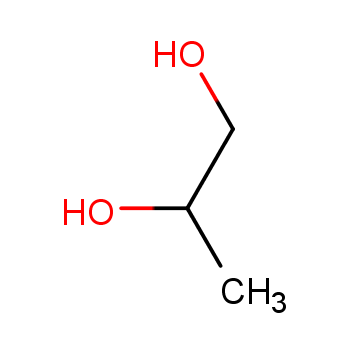
Propylene Glycol, with the chemical formula C3H8O2 and CAS number 57-55-6, is a synthetic organic compound commonly used in food, pharmaceuticals, and cosmetics. It is known for its low toxicity and is often used as a carrier substance in various applications, including as a humectant and solvent.
Ethylene Glycol, with the chemical formula C2H6O2 and CAS number 107-21-1, is a highly toxic compound typically used in industrial applications, such as antifreeze and de-icing solutions. Its primary use is in closed systems, where human exposure is minimized due to its poisonous nature.
Propylene Glycol and Ethylene Glycol are both organic compounds, but they have distinct differences in terms of their toxicity and applications. While Propylene Glycol is safe for human consumption in small amounts and is found in a variety of consumer products, Ethylene Glycol is hazardous and poses significant health risks. The primary difference between the two compounds lies in their safety profiles, with Propylene Glycol being non-toxic and Ethylene Glycol being highly toxic.


Both Propylene Glycol and Ethylene Glycol are synthesized from their respective oxides—propylene oxide and ethylene oxide—though the key difference lies in their use and safety. Propylene Glycol is safer for general use in consumer products, while Ethylene Glycol is primarily used in industrial applications due to its toxicity and the need for controlled exposure.
Propylene Glycol and Ethylene Glycol are both widely used in various industrial and consumer applications. However, due to their differing toxicity levels and properties, they serve different purposes.

Ethylene glycol is one of the most commonly used antifreeze compounds due to its excellent ability to transfer heat, making it highly effective in protecting engines from freezing during cold weather. Its superior heat transfer properties allow it to efficiently absorb and dissipate heat, ensuring that engines run smoothly even in extreme temperatures. This makes ethylene glycol the preferred choice in automotive cooling systems and large industrial applications, where performance and reliability under harsh conditions are critical. However, this high performance comes with a significant trade-off—ethylene glycol is highly toxic to both humans and animals if ingested. Its sweet taste, while attracting potential hazards to pets and children, poses serious health risks, including kidney failure, brain damage, and death.
In contrast, propylene glycol is recognized for its much lower toxicity compared to ethylene glycol. While it is still not entirely non-toxic, propylene glycol is considered safer for use in environments where human exposure may occur, such as in food, pharmaceuticals, and cosmetics. In antifreeze applications, propylene glycol is often chosen when safety is a higher priority, such as in situations where there is a risk of accidental ingestion or exposure, such as in residential areas, recreational vehicles, or systems in close contact with food processing. Despite its lower toxicity, propylene glycol does not offer the same level of heat transfer efficiency as ethylene glycol. While it can still function adequately as an antifreeze in many applications, it is less efficient at preventing freezing and may require higher concentrations to perform as effectively as ethylene glycol in extreme temperatures. This means that in situations where performance under freezing conditions is critical, propylene glycol may not be as reliable as its counterpart.
Propylene Glycol is most commonly used in the food, pharmaceutical, and cosmetic industries due to its low toxicity and versatile properties. In food products, it acts as a humectant, helping to retain moisture and improve texture. It is also used in baked goods, dairy products, and beverages to maintain product quality. In cosmetics and personal care products, Propylene Glycol is employed as a solvent, carrier, and moisturizing agent. Additionally, it is found in medications and oral care products, where it helps to dissolve active ingredients.
In pharmaceuticals, Propylene Glycol is often used in injectable formulations due to its ability to dissolve certain active ingredients that would otherwise be insoluble. Furthermore, it is commonly found in topical medications, where it aids in the absorption of active compounds through the skin.
Ethylene Glycol is primarily used in industrial applications due to its toxic nature. Its most common use is as an antifreeze in vehicles and industrial cooling systems. In these systems, Ethylene Glycol lowers the freezing point of water, preventing ice formation in colder temperatures. It is also used as a de-icing agent for aircraft, preventing ice accumulation during winter months. Due to its ability to transfer heat efficiently, Ethylene Glycol is highly favored in closed-loop systems where it helps to maintain optimal temperatures in large-scale industrial operations.
Additionally, Ethylene Glycol is used in the production of polyester fibers and resins. It is also found in hydraulic fluids, brake fluids, and as a solvent in various chemical applications. However, due to its toxicity, Ethylene Glycol is handled with extreme care in industrial settings to prevent accidental exposure to humans or animals.
In conclusion, the choice between Propylene Glycol and Ethylene Glycol depends on the intended application. Propylene Glycol is safe for use in food, cosmetics, and pharmaceuticals, making it the preferred option for consumer products. On the other hand, Ethylene Glycol is used in industrial applications such as antifreeze, de-icing, and coolant systems, where its toxicity is manageable in controlled environments. Both compounds serve essential roles, but their uses are highly determined by safety considerations and the specific needs of the application.
| Side Effect |
Propylene Glycol |
Ethylene Glycol |
|---|---|---|
| Toxicity | Low toxicity, generally safe for human consumption in small amounts | High toxicity, can cause serious health issues if ingested or inhaled |
| Environmental Impact | Biodegradable and considered safer for the environment | Highly toxic to aquatic life, must be handled carefully to avoid environmental contamination |
| Cost | Relatively inexpensive and widely available | More expensive than Propylene Glycol due to its industrial applications |
When choosing between Propylene Glycol and Ethylene Glycol, it’s crucial to consider their intended use and safety profile. Propylene Glycol is generally regarded as safe for consumption and use in consumer products such as food, cosmetics, and pharmaceuticals. Its low toxicity and versatile properties make it ideal for personal care and food applications, where it serves as a carrier, humectant, and solvent. If you are looking for a substance to enhance moisture retention or dissolve ingredients in personal care products, Propylene Glycol is an excellent choice. Moreover, it is less likely to cause irritation or adverse health effects in small quantities, making it safer for long-term use in these industries.
In contrast, Ethylene Glycol is highly toxic and should never be used in products intended for human consumption or direct skin contact. It is primarily used in industrial settings, such as antifreeze and coolant systems, where its toxic properties are mitigated by the controlled environment. While Ethylene Glycol excels in lowering the freezing point of water in closed-loop systems, its toxic nature makes it unsuitable for consumer health applications. If you're seeking a safer alternative for any application involving human health or environmental exposure, Propylene Glycol is the preferable option.
Ultimately, if you're looking for a safe and non-toxic option for consumer products, Propylene Glycol is the superior choice. However, if you require a compound for industrial purposes, particularly in systems where toxicity is not a concern due to controlled exposure, Ethylene Glycol may be more suitable. It’s essential to choose the right compound based on its intended application, ensuring that health and safety are prioritized.
*For optimal results and to ensure the appropriate usage of these compounds, it is highly recommended to follow the guidance of a professional or regulatory authority. This ensures that you select the most suitable substance based on your specific needs and any potential health risks involved.
If you're looking to purchase these compounds, Guidechem is your go-to platform for sourcing high-quality raw materials and reliable suppliers. With our extensive global network, we connect you to a wide range of Propylene Glycol suppliers and Ethylene Glycol suppliers, ensuring you find the right products to meet your specific research or production requirements. Whether you're in pharmaceuticals, food additives, or other industries, Guidechem simplifies the sourcing process, offering verified supplier information, competitive pricing, and seamless communication.
 |
 |
|



 1YR
1YR