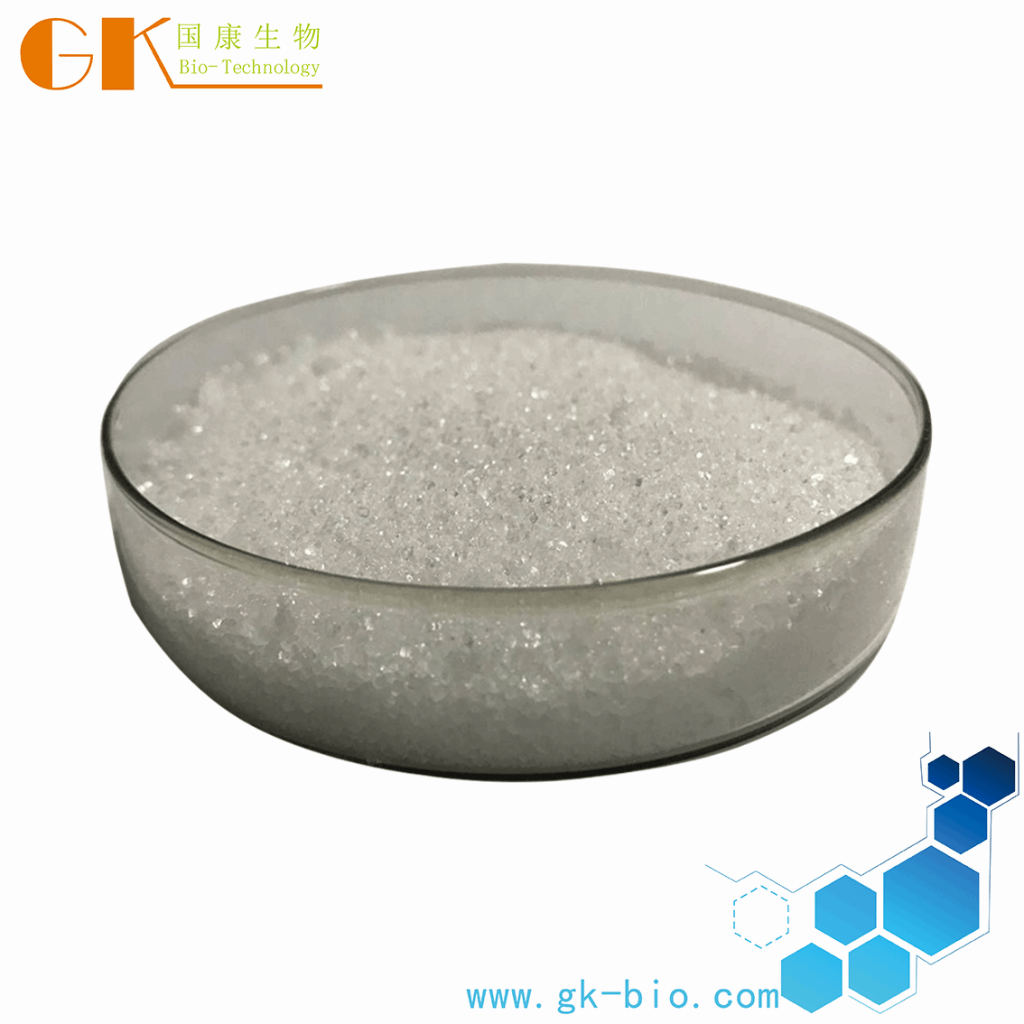
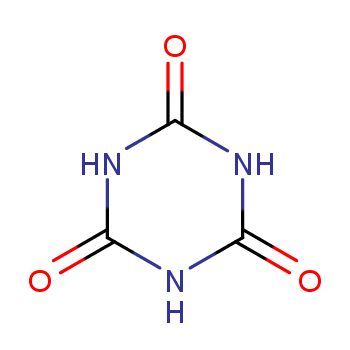
Cyanuric Acid, with the chemical formula C3H3N3O3 and CAS number 108-80-5, is a triazine-based compound widely used as a stabilizer in swimming pools to reduce the degradation of chlorine by sunlight. Its chemical structure consists of three nitrogen atoms and three oxygen atoms, providing stability and versatility in various applications.
Muriatic Acid, also known as hydrochloric acid (HCl), with CAS number 7647-01-0, is a highly reactive acid commonly used for cleaning and pH adjustment. It is a clear, colorless, or slightly yellow liquid with a pungent odor, making it a staple in industrial, laboratory, and household applications.
Cyanuric acid and muriatic acid serve entirely different purposes despite their shared use in water treatment. While cyanuric acid primarily stabilizes chlorine in pools, muriatic acid is used to adjust pH levels and clean surfaces. Understanding the differences between these compounds is crucial for their effective and safe use.


The contrasting chemical structures and synthesis methods of cyanuric acid and muriatic acid highlight their distinct properties and roles. Cyanuric acid’s triazine ring structure imparts stability, while muriatic acid’s simple diatomic composition ensures high reactivity.
Cyanuric acid and muriatic acid have distinct applications due to their unique chemical properties, which make them valuable in different industries and contexts. This section explores their specific uses, highlighting how these compounds serve critical roles in maintaining water quality, industrial processes, and other areas.

Cyanuric acid is primarily used in the swimming pool industry as a stabilizer for chlorine. It works by protecting chlorine from rapid degradation caused by ultraviolet (UV) radiation from sunlight. When added to pool water, cyanuric acid forms a weak bond with chlorine molecules, allowing the chlorine to remain effective for a longer duration. This reduces the need for frequent chlorine additions and helps maintain consistent disinfectant levels in outdoor pools. Typically, maintaining cyanuric acid levels between 30 and 50 ppm is recommended for optimal pool performance.
In addition to pool stabilization, cyanuric acid finds use in the agricultural sector. It is employed as a precursor for the synthesis of herbicides, fungicides, and other agrochemical products. Its role as a starting material in producing these compounds highlights its importance in ensuring sustainable crop protection solutions. Furthermore, cyanuric acid is used in some industrial applications, such as in the production of resins and adhesives, where its stability and reactivity are advantageous.
Muriatic acid, a commercial form of hydrochloric acid, is a versatile compound widely used for cleaning and pH adjustment. In the construction industry, muriatic acid is employed to clean masonry surfaces, such as bricks and tiles, by removing stains, rust, and mineral deposits. Its powerful acidic nature ensures effective removal of stubborn residues, restoring surfaces to their original condition. Care must be taken during its use, as it can cause damage if misapplied or used excessively.
In swimming pool maintenance, muriatic acid is essential for balancing water pH and alkalinity. It is commonly used to lower pH levels when they rise above the recommended range of 7.2 to 7.8. Proper pH control is crucial for maintaining water clarity, preventing scale buildup, and ensuring the effectiveness of chlorine as a disinfectant. Muriatic acid also helps prevent corrosion of pool equipment, contributing to the longevity and safety of pool systems.
Industrial applications of muriatic acid include its use in metal cleaning and etching. It is utilized to remove rust and scale from steel and other metals, preparing surfaces for further processing or painting. Additionally, it serves as a key reagent in chemical synthesis, particularly in the production of inorganic and organic chlorides, fertilizers, and dyes. Its role as a catalyst in certain chemical reactions underscores its importance in various industrial workflows.
While both cyanuric acid and muriatic acid are used in swimming pool maintenance, their roles are complementary rather than interchangeable. Cyanuric acid ensures the longevity of chlorine's effectiveness by stabilizing it against UV degradation, whereas muriatic acid focuses on pH control, addressing water chemistry issues that could otherwise compromise pool maintenance. Outside of pool care, their applications diverge significantly, with cyanuric acid primarily serving in chemical synthesis and agriculture, and muriatic acid being a cornerstone in industrial cleaning and chemical production.
Understanding the unique roles of cyanuric acid and muriatic acid helps optimize their use in various industries. By leveraging their distinct properties, professionals can achieve efficient and effective outcomes tailored to their specific needs.
| Aspect |
Cyanuric Acid |
Muriatic Acid |
|---|---|---|
| Overuse | Can lead to chlorine lock, reducing disinfectant effectiveness | Overuse can lower pH excessively, causing corrosive effects |
| Handling Risks | Low risk, but inhalation of dust should be avoided | Highly corrosive, requiring proper protective equipment |
If you're looking to purchase these compounds, Guidechem is your go-to platform for sourcing high-quality raw materials and reliable suppliers. With our extensive global network, we connect you to a wide range of Cyanuric Acid suppliers, ensuring you find the right products to meet your specific research or production requirements. Whether you're in pharmaceuticals, food additives, or other industries, Guidechem simplifies the sourcing process, offering verified supplier information, competitive pricing, and seamless communication.
|
 |


 2YRS
2YRS