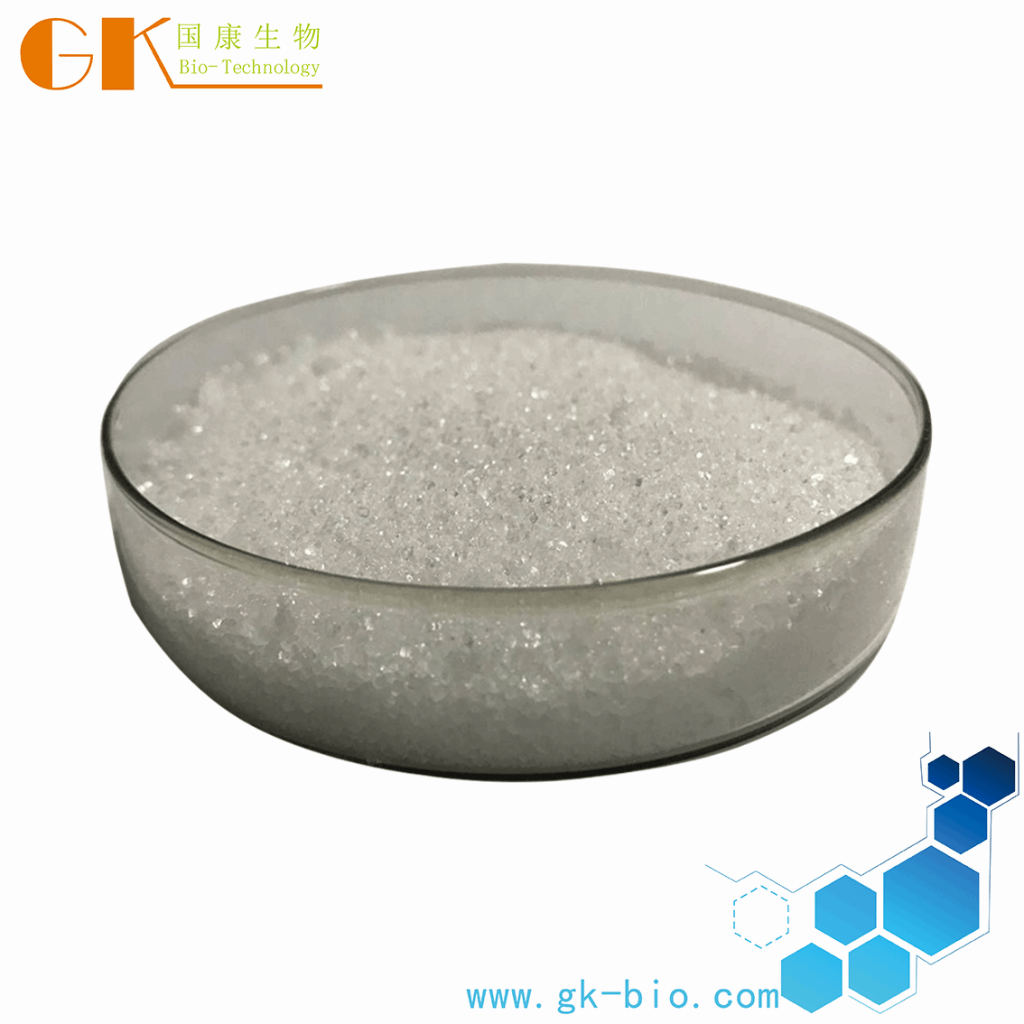
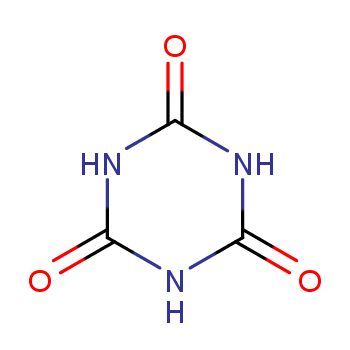
Cyanuric Acid Uses
Cyanuric acid has several applications across different fields:
- Swimming Pool Maintenance: Cyanuric acid is commonly used as a stabilizer for chlorine in swimming pools. It helps prevent chlorine from degrading due to sunlight, thereby maintaining effective sanitation levels in pool water.
- Industrial Applications: It is used in various industrial processes, including the manufacture of disinfectants and herbicides. In some cases, it serves as a precursor to other chemicals.
- Agricultural Uses: In agriculture, cyanuric acid is used in certain herbicides and fungicides to enhance their effectiveness. It can also be involved in the production of slow-release fertilizers.
- Biocide and Disinfectant: Cyanuric acid is included in formulations for biocides and disinfectants, helping to control microbial growth in various environments.
Example: In swimming pools, cyanuric acid helps maintain optimal chlorine levels, reducing the need for frequent chlorine additions and ensuring effective disinfection.
Cyanuric Acid Hazards
Despite its utility, cyanuric acid poses several risks:
- Health Risks: Inhalation of cyanuric acid dust or exposure to high concentrations can cause respiratory irritation, including coughing and shortness of breath. Prolonged exposure may lead to more severe respiratory issues.
- Environmental Impact: Cyanuric acid can have adverse effects on aquatic environments. When it enters water bodies, it may contribute to algal blooms and disrupt aquatic ecosystems.
- Safety Concerns in Pools: While cyanuric acid stabilizes chlorine, excessive levels can reduce chlorine's effectiveness, leading to insufficient disinfection and potential health risks for swimmers.
- Handling and Storage: Proper handling and storage are crucial to prevent accidents. Exposure to cyanuric acid should be minimized, and safety protocols should be followed to avoid potential hazards.
Example: Overuse of cyanuric acid in swimming pools can lead to high levels of the compound, which may impair chlorine's ability to disinfect effectively, posing health risks to pool users.
Safety Measures
To mitigate the hazards associated with cyanuric acid, several safety measures should be observed:
- Proper Usage: Follow recommended guidelines for the use of cyanuric acid, particularly in swimming pools and agricultural applications. Avoid excessive use to minimize potential risks.
- Protective Equipment: When handling cyanuric acid, use appropriate personal protective equipment (PPE) such as gloves, masks, and safety goggles to prevent exposure.
- Environmental Management: Implement measures to prevent cyanuric acid from contaminating water bodies and ensure proper disposal of any waste containing the compound.
- Regular Monitoring: Monitor cyanuric acid levels in swimming pools and other applications to ensure they remain within safe limits, and adjust usage as needed to maintain effectiveness and safety.
Note: Always refer to safety data sheets (SDS) and local regulations for specific guidelines on handling and using cyanuric acid.
Conclusion
Cyanuric acid plays a valuable role in various applications, from maintaining swimming pool sanitation to agricultural use. However, it is important to be aware of the associated hazards and take appropriate safety measures. By understanding both its benefits and risks, users can maximize the advantages of cyanuric acid while minimizing potential health and environmental impacts.



 2YRS
2YRS