
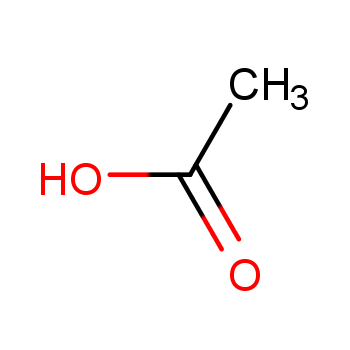
Acetic acid, also known as ethanoic acid, is a carboxylic acid represented by the chemical formula CH3COOH and CAS number 64-19-7. It is a naturally occurring compound found in plants and animal organisms, often in a free state or as esters and other derivatives. Acetic acid is a key component in vinegar and is widely used in various industries and households.
Glacial acetic acid is the pure, concentrated form of acetic acid. Also referred to as anhydrous acetic acid, it contains less than 1% water. This colorless liquid is highly corrosive and can crystallize at lower temperatures, resembling ice. Glacial acetic acid is predominantly used in industrial and laboratory settings.
The key difference between acetic acid and glacial acetic acid lies in their water content and applications. While acetic acid solutions are diluted and commonly used in food and household products, glacial acetic acid is concentrated and serves more specialized purposes.

Both acetic acid and glacial acetic acid share the same chemical formula, but the difference in their water content significantly impacts their properties and uses. Acetic acid is diluted and safe for general use, whereas glacial acetic acid requires careful handling due to its corrosive nature.
Acetic acid and glacial acetic acid serve a broad range of applications across industries, from food production to laboratory research. Their unique chemical properties make them invaluable in various contexts, although their uses differ based on their concentration and reactivity. Below, we detail their respective applications.

Acetic acid is most commonly recognized as the key component of vinegar, which typically contains around 5% acetic acid. This diluted form is widely used in culinary practices for pickling, flavoring, and preserving food. The natural antimicrobial properties of acetic acid make it an effective food additive for extending shelf life.
In industrial contexts, acetic acid is essential for the production of various chemicals. It is a precursor to polyvinyl acetate and cellulose acetate, both of which are used in the production of adhesives, paints, and coatings. Additionally, acetic acid serves as a solvent in the manufacture of terephthalic acid, a key component in the production of PET plastics.
In the pharmaceutical industry, acetic acid is used in the synthesis of acetylsalicylic acid (aspirin) and other medications. It also plays a role in medical diagnostics, such as in cervical cancer screening, where it is applied to highlight abnormal tissues during visual inspection.
Glacial acetic acid, due to its high purity and low water content, is used in more specialized and concentrated applications. In the chemical industry, it serves as a solvent and reagent for the production of acetic anhydride, a compound used in the manufacture of cellulose acetate, synthetic fibers, and photographic films.
The laboratory sector relies heavily on glacial acetic acid for analytical and preparatory purposes. It is used in the preparation of buffer solutions and as a reagent in chromatographic analysis. Its concentrated form is also critical in organic synthesis, including the production of acetic esters and other derivatives.
Another key application of glacial acetic acid is in the textile and dyeing industries. It is used to adjust the pH of dye baths, ensuring optimal dye uptake and fabric coloration. Its corrosive nature, however, requires careful handling and specialized equipment to avoid damage or injuries during use.
In agriculture, glacial acetic acid is employed as a herbicide, especially in organic farming. Its concentrated form effectively desiccates unwanted weeds, providing an environmentally friendly alternative to synthetic chemical herbicides.
Acetic acid and glacial acetic acid are indispensable in numerous applications, ranging from everyday household uses to highly specialized industrial processes. While acetic acid's diluted form ensures safety and versatility, glacial acetic acid's concentrated nature makes it suitable for more reactive and precise applications. Their complementary uses highlight their importance across diverse fields.
| Property |
Acetic Acid |
Glacial Acetic Acid |
|---|---|---|
| Corrosiveness | Non-corrosive, safe for household use | Highly corrosive, can cause burns |
| Water Content | Contains more water, diluted | Minimal water content (<1%) |
| Freezing Point | Does not |
If you're looking to purchase these compounds, Guidechem is your go-to platform for sourcing high-quality raw materials and reliable suppliers. With our extensive global network, we connect you to a wide range of Acetic Acid suppliers, ensuring you find the right products to meet your specific research or production requirements. Whether you're in pharmaceuticals, food additives, or other industries, Guidechem simplifies the sourcing process, offering verified supplier information, competitive pricing, and seamless communication.
[1]Acetic Acid: Chemical and Biological Properties by J. K. Simmons.
[2]Industrial Uses of Acetic Acid in Journal of Industrial Chemistry.
[3]Laboratory Techniques: Glacial Acetic Acid Applications by R. L. Cooper.
[4]Food Additives and Preservatives in Food Science Today.
 |
 |
 |


 2YRS
2YRS


