
Acetone, with the chemical formula C3H6O and CAS number 67-64-1, is a volatile, colorless liquid commonly used as an industrial solvent. It is well-known for its effective properties in removing nail polish and as a cleaning agent for various materials.
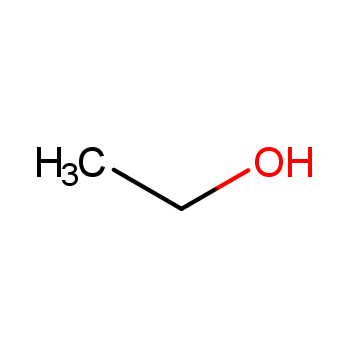
Alcohol, often referring to ethanol with the chemical formula C2H6O and CAS number 64-17-5, is a versatile compound widely used in disinfecting, cleaning, and cosmetic formulations. In nail care, it is primarily employed to sanitize tools and remove light residues.
Acetone and alcohol serve distinct purposes in nail care. While acetone is prized for its efficiency in dissolving nail polish and adhesives, alcohol excels in cleaning and sanitizing nail surfaces and tools. The choice between these two depend on the specific needs of nail care routines, whether for polish removal or preparation.


Both compounds share a simplicity in their molecular composition, yet their differing functional groups—carbonyl in acetone and hydroxyl in alcohol—define their unique roles in nail care and other applications.
While both compounds are derived through industrial methods, acetone’s synthesis emphasizes its role in industrial cleaning, whereas ethanol’s versatile production underpins its use in everyday products.
Acetone and alcohol are integral to nail care, each contributing unique functionalities to grooming and maintenance routines.

Acetone is widely recognized as the most effective solvent for removing nail polish, gel nails, and acrylic nails. Its ability to break down the chemical structure of these materials makes it indispensable in professional and at-home nail care. Nail polish removers containing acetone work quickly and thoroughly, leaving the nails clean and ready for the next application.
Acetone is also valuable for cleaning tools used in nail art, such as brushes and stamping plates. Its fast evaporation minimizes residue, ensuring precise designs and maintaining the integrity of tools over time. Despite its efficiency, prolonged exposure to acetone can dry out nails and surrounding skin, necessitating the use of moisturizers or cuticle oils.

Alcohol, commonly referring to ethanol (CAS number 64-17-5, C2H6O), plays a vital role in nail hygiene and preparation. Unlike acetone, alcohol is primarily used for its antiseptic properties. It effectively cleanses the nail surface by removing dirt, oils, and bacteria, ensuring a sanitary base for manicures or pedicures. This makes alcohol an essential component in nail care routines, particularly before applying artificial nails or nail polish.
Another common application of alcohol in nail care is in the correction of nail art designs. Its mild solvent properties allow for precise cleaning of smudges or errors without causing significant damage to the existing polish layers. Alcohol is also preferred for thinning out nail polish that has thickened over time, helping to restore its usability.
Moreover, alcohol is a key ingredient in nail preparation solutions used to dehydrate the nail plate before the application of gel or acrylic products. This ensures better bonding between the nail and the applied material, reducing the risk of lifting or chipping.

Comparative Insights
When comparing acetone vs alcohol for nails, their applications cater to distinct aspects of nail care. Acetone excels in dissolving and removing nail polish efficiently, while alcohol is indispensable for its cleaning and sanitizing properties. Both compounds are versatile in their own right, offering complementary benefits that address the various needs of nail treatment and maintenance.
For optimal results, combining their uses—acetone for thorough polish removal and alcohol for pre-application cleaning—can enhance the quality of nail care routines, ensuring both hygiene and aesthetic perfection.
| Aspect |
Acetone |
Alcohol |
|---|---|---|
| Drying Effects | Highly drying, can cause brittle nails and dry skin | Mildly drying, less impact on nail and skin hydration |
| Odor | Strong, chemical smell | Milder, often mixed with fragrances |
| Effectiveness | Highly effective for polish removal | Less effective for removing stubborn polish |
| Health Concerns | Can irritate sensitive skin or respiratory systems | Generally safe, but excessive use can lead to irritation |
In conclusion, acetone is the go-to solution for thorough nail polish removal, while alcohol excels in cleaning and preparation. Choosing between this depends on the specific requirements of your nail care routine, balancing efficiency with care for natural nails.
If you're looking to purchase these compounds, Guidechem is your go-to platform for sourcing high-quality raw materials and reliable suppliers. With our extensive global network, we connect you to a wide range of Alcohol suppliers, ensuring you find the right products to meet your specific research or production requirements. Whether you're in pharmaceuticals, food additives, or other industries, Guidechem simplifies the sourcing process, offering verified supplier information, competitive pricing, and seamless communication.
[1] Nail Care Science by A. T. Smith.
[2] Applications of Acetone in Industry by L. J. Roberts.
[3] Ethanol in Cosmetics in Journal of Cosmetic Science.
[4] Solvents and Their Roles in Chemical Engineering Journal.
 |
 |
 |



 1YR
1YR


