
Adapalene, with the chemical formula C28H28O3 and CAS number 106685-40-9, is a topical retinoid used primarily for acne treatment. It works by promoting cellular renewal, helping to prevent clogged pores and reducing the appearance of acne.
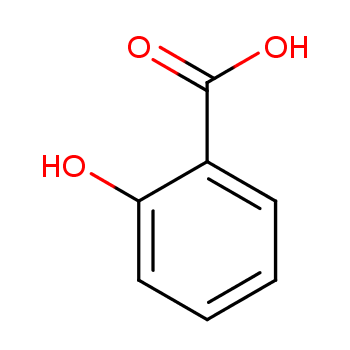
Salicylic Acid, with the chemical formula C7H6O3 and CAS number 69-72-7, is a β-hydroxy acid (BHA) used for its exfoliating properties. It is commonly found in acne treatments due to its ability to remove dead skin cells and reduce oil production on the skin’s surface.
Adapalene and Salicylic Acid are both effective treatments for acne, but they differ significantly in their mechanisms of action and their long-term benefits. Adapalene works deep within the skin to increase the rate of cellular turnover, preventing clogged pores from forming. On the other hand, Salicylic Acid focuses on the surface of the skin, exfoliating and helping to remove dead skin cells and excess oil. This distinction gives each compound unique advantages for different types of acne.


Both Adapalene and Salicylic Acid involve synthetic processes that enhance their effectiveness in treating acne, though they are derived from different molecular structures. Adapalene is a synthetic retinoid designed to target deeper layers of the skin, while Salicylic Acid is a naturally derived compound that works mainly on the skin's surface.
Adapalene and Salicylic Acid are two of the most popular and effective ingredients in acne treatment, but they each offer distinct mechanisms of action, making them better suited for different types of acne and skin conditions. Understanding the unique benefits and characteristics of each can help individuals select the right treatment for their specific skin concerns.

Adapalene is a potent retinoid that plays a significant role in managing acne by accelerating the process of skin cell turnover. Its primary action is to target the root causes of acne, namely clogged pores and the build-up of dead skin cells. By stimulating faster cell renewal, Adapalene helps to prevent the formation of comedones (clogged hair follicles), thereby reducing the appearance of acne lesions such as blackheads, whiteheads, and cystic acne. This makes Adapalene particularly effective for individuals with persistent or moderate to severe acne, as it works deep within the skin to address the underlying causes.
In addition to its acne-fighting capabilities, Adapalene offers notable benefits for overall skin texture and appearance. The increased rate of cell turnover not only helps clear acne but also smooths out rough or uneven skin, improving the skin's overall texture and promoting a more youthful appearance. The result is often a reduction in fine lines, smoother skin, and a healthier complexion. Furthermore, Adapalene has anti-inflammatory properties that help to soothe and calm the skin, which can significantly reduce the redness, irritation, and swelling commonly associated with active acne.
However, it’s important to note that Adapalene may cause some initial irritation, dryness, or peeling, particularly in the early weeks of use as the skin adjusts to the retinoid. These side effects tend to diminish as the skin builds tolerance, but it is recommended to start with a lower frequency of application to minimize irritation.
Salicylic Acid is a beta hydroxy acid (BHA) known for its ability to deeply penetrate the skin and exfoliate the outer layers. Unlike Adapalene, which targets deeper layers to accelerate cell turnover, Salicylic Acid primarily focuses on the surface of the skin, removing dead skin cells and preventing the clogging of pores. It is particularly effective in treating acne by addressing one of its root causes—clogged pores caused by excess sebum and debris. This makes it an ideal choice for individuals with oily skin types, as it helps to regulate sebum production, a major factor in acne development.
Salicylic Acid is also widely recognized for its oil-absorbing properties, making it a key ingredient in many acne treatments formulated for oily or combination skin. Its ability to break down the oils and debris within pores helps to prevent the formation of pimples, blackheads, and whiteheads. Salicylic Acid is commonly found in a variety of acne treatment products such as cleansers, toners, spot treatments, and masks, allowing users to incorporate it easily into their daily skincare routines.
While Salicylic Acid does not have the same effect on cell turnover as Adapalene, it is highly effective at treating mild to moderate acne, particularly when used in combination with other acne-fighting ingredients. Its exfoliating nature also contributes to a brighter and more even skin tone, as it helps to shed dull, dead skin cells. Salicylic Acid is often preferred by individuals looking for a gentler, more surface-level treatment for acne or those with more sensitive skin, as it tends to cause less irritation compared to stronger retinoids like Adapalene.
In summary, Adapalene and Salicylic Acid are both effective acne treatments, but they work in different ways. Adapalene is ideal for individuals looking to promote cellular turnover and address the root causes of acne, while Salicylic Acid is better suited for exfoliation and controlling excess oil. Depending on your skin type and acne severity, one may be more suitable than the other. If you are dealing with severe acne or signs of aging, Adapalene may be the best option, while Salicylic Acid is a great choice for those with oily skin and less severe acne.
| Side Effect |
Adapalene |
Salicylic Acid |
|---|---|---|
| Skin Irritation | Common, can cause dryness, redness, or peeling, especially during initial use | Occasional, may cause dryness or mild irritation, especially in sensitive skin |
| Sensitivity to Sunlight | Increased sensitivity to sunlight, requires sun protection | Can cause mild sun sensitivity; sunscreen is recommended |
| Allergic Reactions | Rare, can include rash or swelling | Rare, could include rash, itching, or swelling |
When choosing between Adapalene and Salicylic Acid for acne treatment, it's important to consider your specific skin needs and type. Adapalene is a more potent option for individuals dealing with persistent or severe acne. Its ability to increase skin cell turnover makes it ideal for treating clogged pores, blackheads, and cystic acne. However, Adapalene can sometimes cause dryness, irritation, and sensitivity, particularly in the initial stages of use, so it’s best suited for individuals who can tolerate stronger treatments.
On the other hand, Salicylic Acid is gentler and better suited for individuals with oily skin or those prone to clogged pores. Its exfoliating properties help to clear the skin's surface by removing dead skin cells and reducing excess oil. Salicylic Acid is a good option for mild to moderate acne and is typically better tolerated by individuals with sensitive skin. However, it may not be as effective for deep, cystic acne or more severe breakouts.
Ultimately, Adapalene is the better choice for more severe acne, as it targets the root cause of acne at a deeper level, promoting long-term skin improvement. However, if you have sensitive or oily skin, or if you're dealing with mild acne, Salicylic Acid may be the better option due to its gentler action and its ability to control excess oil and prevent clogged pores.
*For the best results and to ensure you are using the most suitable treatment for your skin type, it is recommended to consult a dermatologist. They can help determine which product is most appropriate based on your specific skin concerns and needs.
If you're looking to purchase these compounds, Guidechem is your go-to platform for sourcing high-quality raw materials and reliable suppliers. With our extensive global network, we connect you to a wide range of Adapalene suppliers and Salicylic Acid suppliers, ensuring you find the right products to meet your specific research or production requirements. Whether you're in the skincare, pharmaceuticals, or other industries, Guidechem simplifies the sourcing process, offering verified supplier information, competitive pricing, and seamless communication.
[1]Adapalene in the Treatment of Acne by J. Smith
[2]Salicylic Acid: A Review of its Therapeutic Uses in Dermatology by M. Jones
[3]Clinical Applications of Adapalene and Other Retinoids in Acne in Journal of Clinical Dermatology.
[4]Salicylic Acid for Acne and Oily Skin in Dermatology Times.
 |
|
 |



 6YRS
6YRS

