
Glycolic Acid, with the chemical formula C2H4O3 and CAS number 79-14-1, is an alpha-hydroxy acid (AHA) commonly used in skincare for its exfoliating properties. It is derived from sugarcane and is known for its ability to penetrate deeply into the skin.
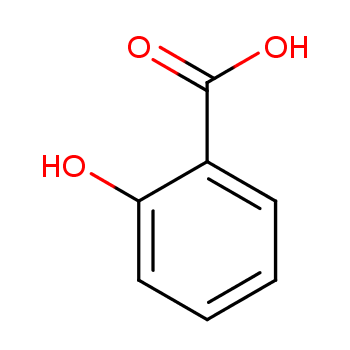
Salicylic Acid, with the chemical formula C7H6O3 and CAS number 69-72-7, is a beta-hydroxy acid (BHA) derived from willow bark. Unlike glycolic acid, it is oil-soluble and primarily used for treating acne and oily skin.
The main difference between glycolic acid and salicylic acid lies in their molecular size and skin penetration abilities. Glycolic acid, being a smaller molecule, penetrates deeper into the skin and is effective for treating surface-level concerns like hyperpigmentation, fine lines, and uneven texture. In contrast, salicylic acid, being larger, stays on the skin's surface and works by penetrating pores, making it more suitable for treating acne, blackheads, and clogged pores.


Both compounds are synthesized through different chemical processes. Glycolic acid is derived from a glycol-based compound, while salicylic acid is derived from phenol. These differences in their synthesis affect their solubility, molecular size, and their respective functions in skincare applications.
Both glycolic acid and salicylic acid are powerful skincare ingredients, but they serve distinct functions due to their unique chemical properties. These two acids are popular for their ability to improve skin appearance and health, yet each one is best suited for specific skin concerns. Understanding the differences between glycolic acid and salicylic acid can help individuals select the most appropriate treatment for their skincare needs.

Glycolic acid is one of the most commonly used alpha hydroxy acids (AHAs) in skincare, renowned for its exfoliating properties. This water-soluble acid has the unique ability to penetrate the skin's surface layers, effectively removing dead skin cells to reveal fresher, healthier skin underneath. By promoting cellular turnover, glycolic acid helps to refine skin texture, minimize the appearance of fine lines and wrinkles, and reduce hyperpigmentation such as age spots, sun spots, and melasma.
Because glycolic acid is effective at treating surface-level concerns, it is often used to tackle issues like uneven skin tone, dark spots, and early signs of aging. Its gentle exfoliation process also helps to reveal a brighter complexion and promotes smoother skin. This makes it a go-to ingredient for individuals with dry or sensitive skin who may be seeking a more gradual improvement in their skin’s appearance without causing irritation. For those with oily skin, glycolic acid also assists in balancing oil production, improving skin texture, and reducing clogged pores. Regular use of glycolic acid, particularly in low concentrations, can help maintain a youthful and radiant appearance, encouraging smoother, clearer, and more even-toned skin.
Salicylic acid, a beta hydroxy acid (BHA), is known for its remarkable ability to address acne and clogged pores, especially in individuals with oily or acne-prone skin. Unlike glycolic acid, salicylic acid is oil-soluble, which allows it to penetrate deep into the pores to break down excess sebum, the sticky substance that contributes to acne formation. By dissolving the oil and exfoliating inside the pores, salicylic acid prevents the buildup of dead skin cells that can lead to blackheads, pimples, and cystic acne.
Salicylic acid’s ability to exfoliate both on the surface and within the pores makes it particularly effective at managing acne outbreaks, preventing future breakouts, and controlling sebum production. In addition to its exfoliating effects, salicylic acid has anti-inflammatory properties, which help to reduce the redness, swelling, and irritation often associated with acne lesions. This dual action of exfoliation and anti-inflammatory effects makes salicylic acid a go-to treatment for anyone struggling with stubborn acne or blackheads. It is particularly beneficial for individuals with oily or combination skin who are prone to acne flare-ups, as it provides a targeted solution for treating and preventing acne, while also calming irritated skin.
In conclusion, glycolic vs salicylic acid offer complementary benefits, but they are best suited for different skincare concerns. Glycolic acid excels in improving skin texture, reducing signs of aging, and treating hyperpigmentation by gently exfoliating the skin’s surface, making it an ideal choice for individuals looking to brighten and smooth their complexion. On the other hand, salicylic acid targets acne, blackheads, and clogged pores by deeply penetrating the skin and addressing oil buildup within the pores, while also providing anti-inflammatory relief. The decision between glycolic acid and salicylic acid ultimately depends on individual skin concerns, such as whether you’re seeking to treat acne or improve skin texture and tone. For a comprehensive skincare routine, many users incorporate both acids, using glycolic acid for surface-level exfoliation and salicylic acid for targeted pore treatment.
| Side Effect |
Glycolic Acid |
Salicylic Acid |
|---|---|---|
| Sun Sensitivity | Increases skin sensitivity to sunlight; sunscreen is required | Does not increase sun sensitivity |
| Dryness | Can cause dryness and irritation if overused | Can cause dryness, especially for sensitive skin types |
| Irritation | Can cause irritation for sensitive skin | Can cause irritation, especially in high concentrations |
| Peeling | Can lead to peeling with overuse | Can lead to peeling or flaking of skin |
| Allergic Reactions | Rare, may include redness or rash | Rare, may include redness or swelling |
When choosing between salicylic acid vs glycolic acid for your skincare routine, it's important to consider your skin type and the specific concerns you want to address. Glycolic acid is ideal for individuals looking to improve skin texture, reduce fine lines, and address pigmentation issues. As an AHA, it exfoliates the surface of the skin, making it particularly effective for those with dry or mature skin, or those concerned with signs of aging. It also helps to brighten the skin and improve its overall appearance.
In contrast, salicylic acid is better suited for individuals with oily or acne-prone skin. As a BHA, it penetrates deep into the pores, helping to clear blockages and reduce the formation of acne. It is especially effective for treating blackheads, whiteheads, and other blemishes caused by clogged pores. For people dealing with persistent acne or oily skin, salicylic acid is an excellent choice. It also has anti-inflammatory properties that can help soothe irritated skin.
Ultimately, if you're aiming to address signs of aging, uneven skin texture, or hyperpigmentation, glycolic acid is the better option due to its exfoliating power and ability to improve overall skin appearance. However, if you are dealing with acne, clogged pores, or oily skin, salicylic acid is your best choice for effectively managing these concerns and preventing future breakouts.
*For optimal results and to ensure that you are using the right concentration and formulation for your skin type, it is recommended to consult with a dermatologist or skincare professional. They can help you determine which acid is best suited to your skin’s needs and provide advice on how to use it safely.
If you're looking to purchase these compounds, Guidechem is your go-to platform for sourcing high-quality raw materials and reliable suppliers. With our extensive global network, we connect you to a wide range of glycolic acid suppliers and salicylic acid suppliers, ensuring you find the right products to meet your specific research or production requirements. Whether you're in pharmaceuticals, skincare, or other industries, Guidechem simplifies the sourcing process, offering verified supplier information, competitive pricing, and seamless communication.
[1]Skin Care and the Science of Exfoliation by A. B. Miller.
[2]Understanding Acne Treatment by S. J. Smith.
[3]The Role of AHAs and BHAs in Skincare in Journal of Dermatological Science.
[4]Salicylic Acid: A Comprehensive Review in Clinical Dermatology.
 |
 |
|



 6YRS
6YRS

