
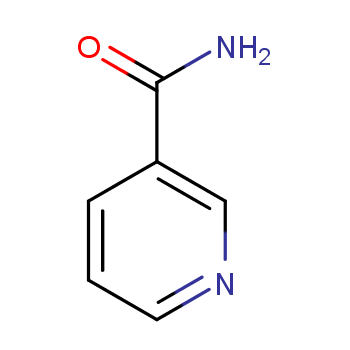
Niacinamide, with the chemical formula C6H6N2O and CAS number 98-92-0, is a water-soluble vitamin B3 derivative that is widely used in skincare for its anti-inflammatory, anti-aging, and skin-brightening effects.
Hydroquinone, with the chemical formula C6H6O2 and CAS number 123-31-9, is a chemical compound primarily used in skin lightening products to treat hyperpigmentation, freckles, age spots, and melasma.
When comparing Niacinamide and Hydroquinone, it's essential to understand their distinct roles in skin care. Niacinamide is known for reducing the transfer of melanin to the skin's surface, resulting in a reduction in the appearance of dark spots, while Hydroquinone inhibits melanin production, leading to skin lightening. Although both compounds target pigmentation, they do so in different ways, with Hydroquinone being a more potent agent for severe pigmentation issues, while Niacinamide offers a more gradual, long-term approach with additional skin benefits.


Both Niacinamide and Hydroquinone involve specific chemical processes to convert base compounds into their active forms. Niacinamide comes from vitamin B3 (niacin), while Hydroquinone is derived from the reduction of p-benzoquinone. These differences in synthesis contribute to the distinct applications and effects of each compound on the skin.
Niacinamide and Hydroquinone are both used in skincare but serve different purposes. Niacinamide is renowned for its ability to reduce the appearance of fine lines, improve skin elasticity, and reduce redness. Hydroquinone, on the other hand, is primarily used as a skin lightening agent to target hyperpigmentation and dark spots.
Niacinamide is a versatile compound with a wide range of benefits for the skin. One of its primary applications is its ability to improve the skin's barrier function, which helps to prevent moisture loss and improve hydration. This makes Niacinamide an excellent choice for individuals with dry or sensitive skin. In addition to hydration, Niacinamide also works to reduce inflammation, which can help to alleviate acne symptoms. It is particularly effective for reducing the appearance of red, inflamed acne lesions such as papules and pustules.
Niacinamide also plays a significant role in reducing the visible signs of aging. It helps to increase skin elasticity and diminish the appearance of fine lines and wrinkles. Furthermore, it has been shown to reduce the appearance of pores and regulate sebum production, making it an ideal ingredient for those with oily or acne-prone skin. As a result, Niacinamide is suitable for a wide range of skincare routines and skin types.
Some may also ask niacin and niacinamide for hair growth? When considering niacin vs niacinamide for hair growth, both compounds offer benefits but in different ways. Niacin improves blood circulation to the scalp, potentially stimulating hair growth. On the other hand, niacinamide for hair growth works by enhancing scalp health, reducing inflammation, and improving the strength of hair follicles, making it a popular choice for hair care products.
Hydroquinone is primarily used for its skin-lightening properties. It is highly effective in treating dark spots caused by sun damage, melasma, age spots, and post-inflammatory hyperpigmentation. Hydroquinone works by inhibiting the activity of tyrosinase, an enzyme responsible for the production of melanin, the pigment that gives skin its color. By decreasing melanin production, Hydroquinone can help to lighten dark patches and even out the skin tone.
However, Hydroquinone is typically used for more severe cases of pigmentation, and it is often recommended for targeted treatment of specific areas. Due to its potency, Hydroquinone can cause side effects such as skin irritation, redness, and in rare cases, paradoxical hyperpigmentation, especially with long-term use. For this reason, it is important to use Hydroquinone under the guidance of a dermatologist.
In conclusion, Niacinamide offers a safer and more versatile option for individuals looking to improve skin hydration, reduce acne, and diminish the visible signs of aging. It is well-suited for long-term use and can be incorporated into most skincare routines. Hydroquinone, on the other hand, is a more potent treatment for severe hyperpigmentation and dark spots. While effective, it comes with potential side effects and should be used cautiously. Ultimately, Niacinamide is a gentler and safer alternative for general skincare, while Hydroquinone is a targeted treatment for pigmentation issues.
| Side Effect |
Niacinamide |
Hydroquinone |
|---|---|---|
| Skin Irritation | Rare, can cause mild irritation in sensitive individuals | Common, can cause redness, stinging, and peeling |
| Potential for Hyperpigmentation | Unlikely, beneficial for reducing pigmentation | Possible, can cause paradoxical hyperpigmentation with prolonged use |
| Regulation or Prescription | Over-the-counter, no prescription required | Requires prescription in many regions due to potency |
| Allergic Reactions | Rare, could include rash or itching | Rare, could include rash, swelling, or difficulty breathing |
If you're looking to purchase these compounds, Guidechem is your go-to platform for sourcing high-quality raw materials and reliable suppliers. With our extensive global network, we connect you to a wide range of Niacinamide suppliers and Hydroquinone suppliers, ensuring you find the right products to meet your specific research or production requirements. Whether you're in pharmaceuticals, food additives, or other industries, Guidechem simplifies the sourcing process, offering verified supplier information, competitive pricing, and seamless communication.
 |
|
 |


 4YRS
4YRS


