
Malic Acid, with the chemical formula C4H6O5 and CAS number 6915-15-7, is a naturally occurring organic acid commonly found in fruits such as apples. It is known for its smooth tart taste, often providing a less sharp sourness compared to other acids.
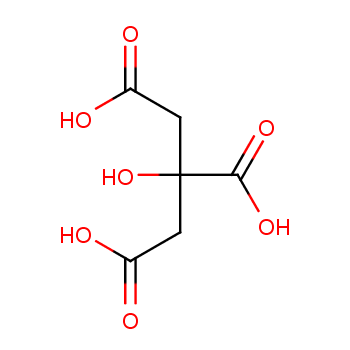
Citric Acid, with the chemical formula C6H8O7 and CAS number 77-92-9, is widely recognized for its citrus flavor and is a key component in many fruits, particularly citrus fruits like lemons and limes. It is commonly used in food preservation and as a flavoring agent due to its sharp, tangy taste.
Malic Acid and Citric Acid are both organic acids with distinct chemical properties and flavor profiles. While both acids contribute to sourness, they vary in intensity and the way they interact with the palate. Malic Acid tends to provide a longer, smoother sour finish, while Citric Acid offers a sharper, more immediate tang. Despite similar roles in food and beverage applications, these acids have unique characteristics that make them suited to different purposes.


The synthesis of both Malic Acid and Citric Acid involves microbial or chemical processes, although Citric Acid is more commonly produced via fermentation due to its extensive use in the food and beverage industry. Malic Acid, while also synthesized via fermentation, is less common on a large industrial scale.
Malic Acid and Citric Acid are both organic acids widely used in the food and beverage industry, as well as in pharmaceuticals and cosmetics. Though both acids contribute to flavor enhancement and preservation, they possess distinct properties that make them ideal for different uses. Their roles in food, beverages, personal care, and medical products showcase their versatility and importance in various industries.

Malic Acid, known for its smooth and mellow sour taste, plays a prominent role in the food and beverage sector. Unlike the sharp tang of Citric Acid, Malic Acid provides a subtler sourness, making it an excellent choice for products requiring a long-lasting, gentle tartness. It is frequently found in fruit-flavored products such as fruit juices, sodas, jams, and candies, where it helps create a natural, pleasant tartness without overpowering the flavor. Its ability to enhance the fruitiness of products makes it a favorite in the production of fruit-based beverages and confections.
Beyond flavor enhancement, Malic Acid is vital in the food industry for its role in gelation. In gummy candies, jams, and jellies, Malic Acid helps to modify the pH, ensuring the desired consistency and texture. The acid works synergistically with pectin to facilitate proper gelling, contributing to the perfect chewy or firm texture that consumers expect.
In addition to its uses in food and beverages, Malic Acid is valued in the cosmetic industry for its gentle exfoliating properties. It is often included in skincare products, such as facial cleansers, toners, and moisturizers, due to its ability to gently remove dead skin cells, promoting smoother skin and enhancing skin texture. Malic Acid’s mild acidity makes it suitable for sensitive skin types, offering exfoliation without causing irritation. It also acts as a pH adjuster in formulations, helping to maintain the skin’s natural balance.
In pharmaceuticals, Malic Acid is used in certain drug formulations, where it plays a critical role in improving the stability of active ingredients and enhancing the taste of medications. Its mild acidity helps to mask unpleasant flavors in syrups, chewables, and liquid formulations, making medications more palatable, especially for children or individuals with taste sensitivities.
Citric Acid is perhaps best known for its potent sourness, which makes it a staple in the food and beverage industry. It is commonly used as a preservative and flavoring agent due to its ability to lower the pH of products, inhibiting the growth of harmful microorganisms and extending shelf life. Citric Acid is especially prevalent in soft drinks, where it adds a sharp, tangy flavor that mimics the natural sourness of citrus fruits like lemons and limes. It is also found in jams, jellies, candies, and sauces, where its tartness balances sweetness and enhances flavor depth.
One of Citric Acid’s key roles is in preservation. By reducing the pH, it creates an acidic environment that is unfavorable to bacteria and molds, making it an essential ingredient in the production of canned goods, jams, jellies, and fruit preserves. This natural preservative function ensures that products maintain their freshness and safety for longer periods, even without refrigeration.
In addition to its flavor-enhancing and preservative properties, Citric Acid is widely used in the cleaning industry due to its ability to dissolve mineral deposits. Its effectiveness as a descaling agent makes it ideal for cleaning household appliances such as coffee makers, dishwashers, and kettles, where it removes lime scale and other hard-water build-ups. Citric Acid is also incorporated into laundry detergents and other cleaning products for its ability to brighten fabrics and remove stains.
Citric Acid plays an important role in the pharmaceutical industry as well. It is used to stabilize certain medications, especially those in liquid form, by maintaining an optimal pH level. This stabilization ensures the bioavailability and efficacy of the active ingredients in the medication. Citric Acid is also found in effervescent tablets and oral solutions, where it reacts with bicarbonates to produce carbon dioxide, creating a fizzy, easy-to-consume form of medication. Its role in enhancing the solubility of medications makes it a vital ingredient in many over-the-counter and prescription products.
In conclusion, while both Malic Acid and Citric Acid are important in various industries, their applications differ based on their unique properties. Malic Acid offers a smoother, more prolonged sourness and is frequently used in fruit-flavored products and cosmetics, while Citric Acid’s sharper, more immediate tartness makes it ideal for preserving foods, enhancing flavors, and in cleaning products. Choosing the right acid for a specific application depends on the desired flavor profile and the intended purpose.
| Side Effect |
Malic Acid |
Citric Acid |
|---|---|---|
| Digestive Issues | Rare, may cause mild discomfort or bloating | Common, can cause stomach irritation or nausea in large amounts |
| Tooth Enamel Erosion | Unlikely at typical consumption levels | Possible, due to its strong acidity |
| Allergic Reactions | Rare, possible rash or itching | Rare, possible rash, difficulty breathing |
When choosing between Malic Acid and Citric Acid, it's important to consider the specific benefits they offer and your health needs. Malic Acid is known for its mild sourness and is often used to enhance the flavor of fruit-based products and improve skin health. It is a natural component of the body's energy production cycle, making it useful for supporting muscle function and reducing fatigue. Additionally, Malic Acid has been studied for its potential role in improving conditions like fibromyalgia, due to its ability to reduce muscle pain and enhance overall energy levels.
In contrast, Citric Acid, while effective as a preservative and flavor enhancer, has a more potent acidity. It is beneficial for detoxifying the body and improving the absorption of minerals, especially calcium. Citric Acid’s role in promoting metabolic function makes it useful for energy production and preventing kidney stones by preventing mineral buildup. However, due to its strong acidity, it can cause digestive irritation if consumed in excess.
Ultimately, if you're looking for a compound that supports muscle function, energy levels, and skin health, Malic Acid may be the superior choice, particularly for those dealing with muscle pain or fatigue. However, if you need a compound that can assist with detoxification, mineral absorption, or kidney health, Citric Acid may be more beneficial, especially for its role in the citric acid cycle.
*For optimal results and to ensure that you are choosing the appropriate acid based on your specific health needs, it is recommended to consult with a healthcare provider. They can help you determine the most suitable option, taking into account any underlying health conditions or goals.
If you're looking to purchase these compounds, Guidechem is your go-to platform for sourcing high-quality raw materials and reliable suppliers. With our extensive global network, we connect you to a wide range of malic acid suppliers and citric acid suppliers, ensuring you find the right products to meet your specific research or production requirements. Whether you're in pharmaceuticals, food additives, or other industries, Guidechem simplifies the sourcing process, offering verified supplier information, competitive pricing, and seamless communication.
[1]Organic Acids in Food and Beverages by A. Smith.
[2]Applications of Malic Acid in Industrial Products in Journal of Food Chemistry.
[4]Fermentation and Industrial Applications of Citric Acid in Biotechnology Advances.
|
 |
 |



 1YR
1YR


