
Sodium Citrate, with the chemical formula C6H7NaO7 and CAS number 18996-35-5, is a sodium salt of citric acid. It is commonly used in various industries, including food, pharmaceuticals, and as a buffering agent in medical applications.
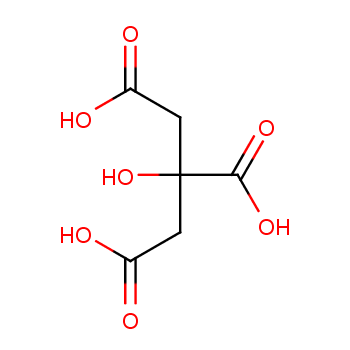
Citric Acid, with the chemical formula C6H8O7 and CAS number 77-92-9, is a naturally occurring organic acid found in citrus fruits. It is widely used as a preservative, flavoring agent, and in various chemical processes.
Sodium Citrate and Citric Acid are two compounds that share a common relationship, as sodium citrate is derived from citric acid. However, these compounds differ in their chemical properties and applications. Sodium citrate is a salt that offers buffering and preservative qualities, while citric acid is primarily used for its acidic properties in food, cosmetics, and pharmaceutical industries.
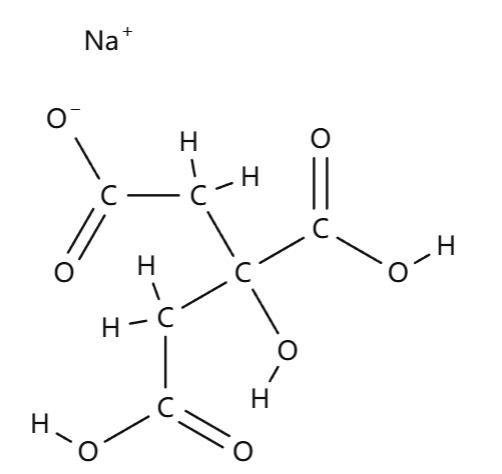

Both compounds are important in various chemical processes, with citric acid being a key ingredient in the production of sodium citrate. The synthesis of sodium citrate involves the neutralization of citric acid with a base, while citric acid is produced through natural or industrial fermentation processes.
Sodium Citrate and Citric Acid serve distinct purposes across various industries, each offering unique benefits due to their chemical properties. Sodium citrate, a salt derived from citric acid, is commonly used as a buffering agent, preservative, and anticoagulant in medical and food applications. It helps maintain pH balance, enhances flavor, and extends shelf life in products like soft drinks and processed foods. In contrast, citric acid, an organic acid found naturally in citrus fruits, is widely used for its acidic properties in food preservation, cleaning products, and as an antioxidant. It plays a crucial role in flavor enhancement, acidulation, and in the production of effervescent products. While both compounds originate from citric acid, their unique functions cater to different needs, making them indispensable in their respective fields.

Sodium citrate is widely used as a buffering agent in both the food and pharmaceutical industries. In food production, it plays a crucial role in regulating acidity levels, ensuring the desired taste and texture in products such as soft drinks, jams, processed cheeses, and canned goods. By controlling pH, sodium citrate helps extend the shelf life of these items, acting as a preservative to maintain their freshness over time. Additionally, it stabilizes flavors and improves product consistency, making it an essential ingredient in many processed foods.
In the pharmaceutical sector, sodium citrate is used to maintain optimal pH levels in intravenous (IV) solutions, ensuring their effectiveness and safety during administration. It also functions as an anticoagulant in blood transfusions, where it works by binding calcium ions, preventing clotting and allowing blood to flow freely during storage and transfusion. Beyond these uses, sodium citrate is indispensable in medical applications for maintaining the proper functioning of intravenous fluids, ensuring patients receive the correct balance of electrolytes and hydration.
Citric acid is a versatile compound widely used in the food industry for its preservative, flavor-enhancing, and acidulant properties. In food and beverages, it helps preserve products by lowering pH, which prevents bacterial and mold growth. It is particularly popular in soft drinks, candies, jams, and canned vegetables, where it maintains freshness and extends shelf life. Additionally, citric acid contributes to the distinctive tart taste in many foods, balancing sweetness and enhancing overall flavor profiles.
In cleaning products, citric acid is a powerful natural ingredient known for its ability to break down mineral deposits like limescale and soap scum. It is commonly found in household cleaners, detergents, and bathroom products, where it works effectively to clean and remove stains. Its biodegradable nature makes it a more eco-friendly alternative to harsh chemicals in many cleaning applications.
Citric acid also plays an important role in cosmetics. As an exfoliant, it helps to remove dead skin cells, leaving the skin feeling smoother and more radiant. It is often used in skincare products such as toners, masks, and peels, promoting healthy skin renewal. In addition to its exfoliating properties, citric acid adjusts the pH levels of cosmetic formulations, ensuring product stability and skin compatibility.
In the medical field, sodium citrate, a derivative of citric acid, is essential for maintaining proper pH balance in intravenous fluids. It is also used in laboratory settings to preserve biological samples, ensuring their stability for testing and analysis. By maintaining the pH and preventing degradation, sodium citrate is crucial for preserving the integrity of various medical and scientific samples.
In conclusion, sodium citrate and citric acid are both versatile compounds with distinct applications. Sodium citrate is primarily used for its buffering and preservative qualities in food, pharmaceuticals, and medical applications. Citric acid, on the other hand, is a powerful acidulant and preservative widely used in the food and cleaning industries, as well as in cosmetics. Both compounds play essential roles in maintaining product stability and enhancing their effectiveness in their respective fields.
| Side Effect |
Sodium Citrate |
Citric Acid |
|---|---|---|
| Digestive Issues | Rare, may cause mild stomach discomfort in sensitive individuals | Can cause stomach upset and acid reflux in high concentrations |
| Low Blood Pressure | Possible, but rare | Unlikely to cause low blood pressure |
| Dehydration | Unlikely to cause dehydration | Can contribute to dehydration when consumed in large quantities |
| Allergic Reactions | Rare, but can cause rash or irritation | Rare, but can cause allergic reactions in some individuals |
If you're looking to purchase these compounds, Guidechem is your go-to platform for sourcing high-quality raw materials and reliable suppliers. With our extensive global network, we connect you to a wide range of Sodium Citrate suppliers and Citric Acid suppliers, ensuring you find the right products to meet your specific research or production requirements. Whether you're in pharmaceuticals, food additives, or other industries, Guidechem simplifies the sourcing process, offering verified supplier information, competitive pricing, and seamless communication.
[1]Applications of Citric Acid in Food and Pharmaceuticals by L. B. Anderson.
[2]Sodium Citrate and Its Uses in the Medical Field by J. M. Thompson.
[3]Citric Acid: The Versatile Ingredient in Cleaning and Cosmetics in Journal of Chemical Applications.
[4]Production and Industrial Use of Sodium Citrate in International Journal of Chemical Engineering.
 |
|
 |



 1YR
1YR


