
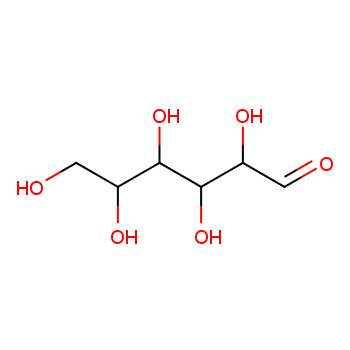
D-Galactose, with the chemical formula C6H12O6 and CAS number 59-23-4, is a naturally occurring simple sugar that plays a crucial role in the formation of lactose, the sugar found in milk. It is also a structural component of glycoproteins and glycolipids, vital for cellular communication and membrane integrity.
D-Glucose, also known as dextrose, with the chemical formula C6H12O6 and CAS number 50-99-7, is a primary energy source for cellular metabolism. Found in fruits, honey, and starch, glucose is critical for maintaining blood sugar levels and supporting brain and muscle function.
Glucose and galactose are both monosaccharides with the same molecular formula but differ in their structural arrangements and biological roles. Understanding the difference between glucose and galactose is essential for applications in nutrition, medicine, and biochemistry.


Although both D-Glucose and D-Galactose are synthesized through enzymatic processes, their sources and downstream processing differ significantly. Glucose is extracted from polysaccharides, while galactose typically originates from lactose hydrolysis. This distinction highlights the importance of source material in determining synthesis strategies.

Galactose plays a vital role in glycosylation processes, forming glycoproteins and glycolipids that are integral to cellular communication, immune response, and structural integrity. In the food industry, galactose is used in lactose-free products and as a sweetener alternative due to its mild sweetness and low glycemic index. Its involvement in the synthesis of lactose makes it crucial for dairy-based applications, particularly in producing infant formula and medical nutrition products. Additionally, galactose is a component in research applications, such as studies on carbohydrate metabolism and enzyme activity.
Glucose is indispensable for energy metabolism. It is widely used in medical settings for intravenous infusions to manage hypoglycemia, dehydration, and nutrient supplementation. In the food industry, glucose is a common ingredient in confectionery, beverages, and baked goods. Its high solubility and rapid absorption make it an excellent energy booster for athletes and individuals with high metabolic demands. Furthermore, glucose serves as a substrate in fermentation processes, producing biofuels, pharmaceuticals, and alcoholic beverages.
The difference between glucose and galactose extends to their metabolic pathways and applications. While glucose is a primary energy source, galactose contributes to structural and functional roles in biological systems. Both sugars are essential in their respective domains, highlighting their complementary nature in human health and industrial use.
While both sugars are employed in the food and pharmaceutical sectors, D-Glucose’s broader applications in energy metabolism and fermentation distinguish it as a versatile compound. In contrast, D-Galactose’s unique role in specialized biochemical pathways and metabolic research highlights its importance in niche markets. Understanding these applications allows industries to optimize their use for specific requirements.
Although D-Glucose and D-Galactose are essential for biological processes and widely used in various industries, each has specific drawbacks that limit its applications or raise concerns under certain conditions.
While D-Glucose is associated with broader health risks due to its widespread consumption and metabolic impact, D-Galactose’s limitations are more structural and niche-specific, including its availability and genetic disorders affecting its metabolism. Understanding these drawbacks helps industries mitigate risks and optimize usage based on specific needs.
In summary, glucose and galactose are vital monosaccharides with overlapping yet distinct functions. Glucose serves as a critical energy molecule, while galactose plays structural and functional roles in biological systems. Understanding the difference between glucose and galactose is key to optimizing their applications in health, nutrition, and industry.
If you're looking to purchase these compounds, Guidechem is your go-to platform for sourcing high-quality raw materials and reliable suppliers. With our extensive global network, we connect you to a wide range of D-Glucose?suppliers and D-Galactose?suppliers, ensuring you find the right products to meet your specific research or production requirements. Whether you're in pharmaceuticals, food additives, or other industries, Guidechem simplifies the sourcing process, offering verified supplier information, competitive pricing, and seamless communication.
[1] Carbohydrate Chemistry and Function, M. S. Chapman.
[2] The Role of Sugars in Cellular Metabolism, B. A. Marks.
[3] Advances in Sugar Chemistry, Journal of Molecular Biology.
[5] Nutritional Applications of Simple Sugars, American Journal of Clinical Nutrition.
 |
|
 |



 1YR
1YR


