
Erythritol, with the chemical formula C4H10O4 and CAS number 149-32-6, is a naturally occurring sugar alcohol commonly used as a low-calorie sweetener. It has approximately 60-70% of the sweetness of sucrose but with almost no calories, making it popular in sugar-free and low-carb products. One might ask erythritol vs sugar, which will be answered next.
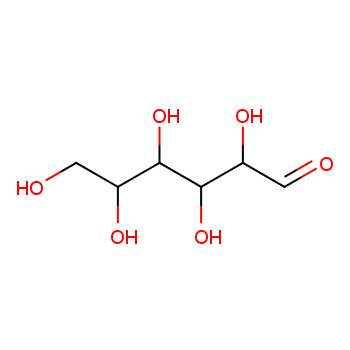
Dextrose, with the chemical formula C6H12O6 and CAS number 50-99-7, is a simple sugar (monosaccharide) derived from corn. It is chemically identical to glucose and is commonly used in food and beverage products as a sweetener, energy source, and preservative.
Erythritol and Dextrose are both popular sweeteners, but they differ significantly in their chemical composition, caloric content, and how they are used in food products. Erythritol is a sugar alcohol, while Dextrose is a simple sugar. The key difference lies in their impact on blood sugar levels and their calorie content. Erythritol provides no calories and has no significant effect on blood sugar, making it a popular choice for those on low-carb or ketogenic diets. In contrast, Dextrose, being a form of glucose, raises blood sugar levels and provides energy quickly, making it suitable for people needing a rapid energy boost.


Both erythritol and dextrose are derived from natural sources, but their synthesis methods differ. Erythritol is produced through a fermentation process, while dextrose is obtained by hydrolyzing corn starch into glucose. Erythritol is often marketed as a low-calorie sweetener, while dextrose is used primarily for its quick-release energy properties.
Erythritol and Dextrose are both used in a wide range of food and beverage applications. However, their distinct properties make them suitable for different uses.

Erythritol is primarily used in low-calorie and sugar-free products, such as sugar-free candies, baked goods, and soft drinks. Its lack of calories makes it an ideal sweetener for those looking to reduce their caloric intake, especially in weight management and ketogenic diets. Erythritol does not significantly impact blood glucose levels, making it suitable for people with diabetes or those following a low-carb diet. It also has a similar taste profile to sugar, providing sweetness without the aftertaste often associated with artificial sweeteners.
Erythritol vs Sugar: Erythritol is a low-calorie sugar substitute with about 70% of sugar's sweetness and no impact on blood sugar levels, making it popular for diabetics and low-carb diets. In contrast, sugar provides quick energy but is high in calories and can contribute to weight gain and blood sugar spikes. Choosing between erythritol vs sugar depends on dietary goals and health needs.
As a sugar alcohol, erythritol is also gentler on the digestive system than other sugar alcohols, such as sorbitol or maltitol. It is often used in combination with other sweeteners to provide a more balanced sweetness, especially in products labeled "sugar-free" or "diabetic-friendly."
Dextrose, as a form of glucose, is rapidly absorbed by the body, making it a popular choice for providing quick energy during exercise or physical activities. It is commonly used in sports drinks and energy supplements to help replenish glycogen stores and maintain blood sugar levels during intense physical exertion. Dextrose is also used in medical settings to treat low blood sugar (hypoglycemia) by providing an immediate source of glucose for the body.
In addition to its role in sports nutrition, dextrose is also used in food products as a sweetener, particularly in items where quick energy release is desired. It is often found in beverages, desserts, and processed foods to enhance sweetness and provide a rapid energy boost.
In summary, erythritol is a low-calorie sweetener suitable for sugar-free and low-carb diets, with minimal impact on blood sugar. It is commonly used in products designed for weight management, diabetes, and ketogenic diets. On the other hand, dextrose is a fast-acting sugar that provides rapid energy, making it ideal for sports nutrition and energy supplements. Both compounds have their unique applications, and choosing between them depends on individual health goals and dietary needs.
| Side Effect |
Erythritol |
Dextrose |
|---|---|---|
| Digestive Issues | Rare, may cause mild bloating or gas in sensitive individuals | Common, may cause blood sugar spikes, leading to energy crashes |
| Low Blood Sugar | Unlikely, as it does not affect blood sugar significantly | Can cause blood sugar to drop rapidly after consumption |
| Weight Gain | Unlikely, due to its minimal caloric content | Possible, as it provides calories and may contribute to weight gain if overconsumed |
Overall, both erythritol and dextrose come with their respective drawbacks. While erythritol is generally considered safe and has minimal caloric impact, some individuals may experience digestive issues, particularly when consumed in larger quantities. Dextrose, on the other hand, can cause rapid increases in blood sugar levels, leading to potential energy crashes and contributing to weight gain if consumed excessively. It is important to use these sweeteners in moderation, considering individual dietary needs and health conditions.
If you're looking to purchase these compounds, Guidechem is your go-to platform for sourcing high-quality raw materials and reliable suppliers. With our extensive global network, we connect you to a wide range of Erythritol suppliers and Dextrose suppliers, ensuring you find the right products to meet your specific research or production requirements. Whether you're in pharmaceuticals, food additives, or other industries, Guidechem simplifies the sourcing process, offering verified supplier information, competitive pricing, and seamless communication.
[1]Erythritol: A Comprehensive Overview of Health Benefits and Uses by J. S. Smith.
[2]Properties and Applications of Dextrose in Food Technology by T. A. Richards.
[3]The Impact of Sugar Alcohols on Human Metabolism in Journal of Nutrition.
[4]Studies on Dextrose as a Rapid Energy Source in Exercise in Sports Science Review.
|
 |
 |



 1YR
1YR


