Granulated Sugar, commonly known as white sugar, is primarily composed of sucrose (C12H22O11) with a CAS number 57-50-1. It is a refined sugar derived from either sugarcane or sugar beets and is characterized by its fine, uniform crystals and neutral flavor, making it a staple in households and industries.
Cane Sugar, also primarily sucrose, is specifically extracted from sugarcane plants. Unlike granulated sugar, it often retains a slight molasses flavor and may be less processed, giving it a more natural appearance and subtle taste profile, particularly in forms like raw cane sugar.
Granulated Sugar and Cane Sugar are both widely used in culinary and industrial applications, but their differences in processing, texture, and flavor often make them suitable for distinct uses. Understanding these differences is essential for selecting the right type of sugar based on specific needs.
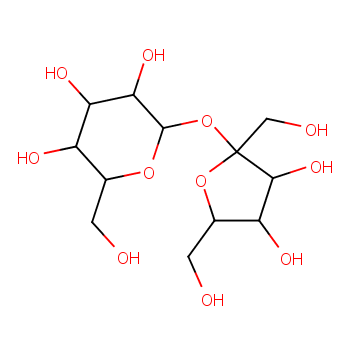
The main distinction lies in the degree of processing and purity, which impacts flavor, color, and versatility. Granulated sugar's uniformity makes it ideal for precise recipes, while cane sugar’s nuanced flavor complements artisanal and natural preparations. The structure of Cane Sugar is shown in the following figure:

Sugar plays a vital role in numerous culinary, industrial, and scientific applications. The choice between granulated sugar and cane sugar often depends on the required characteristics, such as flavor, texture, and color.

Cane Sugar, with its natural molasses content, is often preferred in recipes that require a deeper flavor profile, such as baked goods and marinades. Its slightly coarser texture and golden hue add a touch of richness, making it particularly advantageous in high-moisture recipes like cakes and brownies. Additionally, cane sugar is commonly used as a natural sweetener in beverages and desserts due to its unrefined nature, providing a mild caramel flavor that enhances the overall taste.
Granulated Sugar, on the other hand, is a refined product, ideal for applications requiring precise measurements and smooth textures. Its fine granules dissolve quickly, making it perfect for syrups, frostings, and delicate desserts. Furthermore, granulated sugar is widely used in industrial food production for consistent results, especially in confections and processed foods.
When considering cane sugar vs granulated sugar for baking, cane sugar is better suited for recipes that benefit from added moisture and a hint of molasses, while granulated sugar excels in recipes requiring a neutral, uniform sweetness. For instance, cookies made with cane sugar often have a chewier texture, whereas those with granulated sugar tend to be crispier.
In the comparison of cane sugar vs white sugar, it's essential to note that white sugar refers to the refined version of sugar, similar to granulated sugar. Cane sugar retains more natural components, making it a popular choice for consumers seeking minimally processed ingredients. This distinction makes cane sugar a favorite in organic and health-conscious recipes.
Similarly, cane sugar vs regular sugar highlights their key differences in flavor and texture. Regular sugar, often made from beet sugar or highly refined cane sugar, lacks the subtle depth of flavor found in unrefined cane sugar. This makes cane sugar a superior option for artisanal and high-quality food products.
For liquid applications, liquid cane sugar vs sugar is a critical consideration. Liquid cane sugar, derived by dissolving cane sugar in water, is a convenient option for beverages like iced tea, cocktails, and coffee, as it eliminates the need for stirring and ensures even sweetness distribution. In contrast, granulated sugar may require more effort to dissolve in cold liquids, making liquid cane sugar the preferred choice for quick and efficient sweetening.
In summary, the choice between granulated sugar and cane sugar depends on the desired flavor, texture, and application. While granulated sugar is versatile and ideal for most recipes, cane sugar's unique properties make it an excellent choice for enhancing flavors in specific culinary and industrial applications. In the health-conscious market, cane sugar is marketed as a more “natural” alternative to highly processed sweeteners. While nutritionally similar to granulated sugar, its perceived wholesomeness makes it a popular choice for organic and artisanal food products.
| Drawbacks |
Granulated Sugar |
Cane Sugar |
|---|---|---|
| Nutritional Value | Lacks minerals and nutrients | Contains minimal nutrients but negligible difference |
| Processing Impact | Highly processed, perceived as less natural | May retain impurities and flavor variations |
In summary, granulated sugar offers consistency and versatility, while cane sugar provides nuanced flavors and a more natural appeal. The choice between the two depends on the desired outcome in cooking, baking, or product development.
If you're looking to purchase these compounds, Guidechem is your go-to platform for sourcing high-quality raw materials and reliable suppliers. With our extensive global network, we connect you to a wide range of Cane Sugar?suppliers, ensuring you find the right products to meet your specific research or production requirements. Whether you're in pharmaceuticals, food additives, or other industries, Guidechem simplifies the sourcing process, offering verified supplier information, competitive pricing, and seamless communication.
[1]Carbohydrate Metabolism and the Role of Sugars by J. B. Williams.
[2]Refined Sugars in Baking by D. M. Roberts.
[4]Natural Sugars in Artisanal Foods in Food Chemistry.
 |
|
 |


 2YRS
2YRS