Isomalt, with the chemical formula C12H24O11 and CAS number 64519-82-0, is a sugar substitute derived from beet sugar and is used primarily in the confectionery industry for sugar-free products. It is known for its high stability under heat and its resistance to humidity, making it an ideal choice for creating clear, stable candy displays.
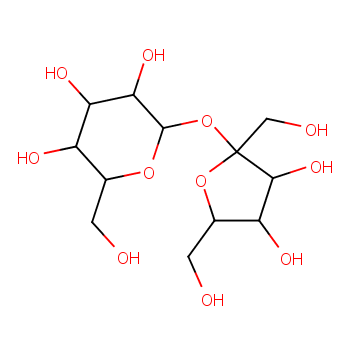
Sugar, or sucrose, with the chemical formula C12H22O11, is a common carbohydrate used in many food products. It is naturally found in various plants, such as sugar cane and sugar beets, and is widely used as a sweetener in baking, beverages, and candies. Sugar is well-known for its sweet flavor and its ability to enhance taste in food and drinks.
Isomalt vs Sugar: The key difference lies in the chemical composition and properties that make isomalt a suitable alternative to sugar in specific applications, especially in the food industry. While both isomalt and sugar are carbohydrate-based, isomalt offers several benefits that sugar does not, particularly when it comes to cooking and candy-making techniques.


The synthesis of isomalt involves modifying the natural structure of sucrose to create a more stable, less sweet product that is resistant to crystallization and humidity. In contrast, sugar is naturally occurring and processed to create the familiar granulated form.
Both isomalt and sugar are used extensively in the food industry, but they serve different roles due to their unique properties. While sugar is a versatile sweetener, isomalt is particularly valued for its stability, low sweetness, and ability to withstand high temperatures, making it a popular choice for sugar-free candy and confectionery items.

One of the most significant benefits of isomalt over sugar is its resistance to humidity. When creating intricate sugar sculptures, such as pulled sugar displays, isomalt offers superior performance due to its ability to maintain a smooth, shiny surface without becoming sticky. This property makes isomalt ideal for use in sugar art and display pieces, where moisture can easily degrade traditional sugar.
Isomalt is also preferred in candy-making processes that require a lower sweetness level. Since isomalt is only about 60% as sweet as sugar, it is often combined with other sweeteners to balance flavor while maintaining the structure and appearance of the finished product. Its slower cooling time also gives candy makers a longer window to work with molten isomalt, making it easier to shape and mold.
Sugar remains the most widely used sweetener in the food industry, particularly for baked goods, beverages, and traditional candies. Its sweetness and ability to enhance flavors make it irreplaceable in many recipes. Sugar’s versatility also extends to its use in preserving fruits, making syrups, and contributing to the texture of various desserts.
However, in situations where humidity and crystallization are a concern, such as in candy displays or sugar art, sugar may not perform as well as isomalt. Sugar’s tendency to absorb moisture from the air can lead to tackiness and a loss of sheen, which is why isomalt is often the preferred choice in these applications.
One of the significant advantages of isomalt is its suitability for individuals with dietary restrictions. Isomalt is sugar-free, making it a valuable alternative for people with diabetes, as it has a minimal effect on blood glucose levels. Additionally, isomalt is lower in calories than sugar, providing a better option for weight management.
Isomalt also does not cause tooth decay, which is a common problem associated with traditional sugar consumption. This makes isomalt an ideal choice for sugar-free candies and other confectionery products marketed as tooth-friendly alternatives.
In summary, while both isomalt and sugar serve vital roles in the food and candy industry, isomalt offers unique advantages such as resistance to humidity, lower sweetness, and slower cooling times, making it ideal for sugar art and sugar-free candies. On the other hand, sugar remains the preferred choice for flavor and sweetness, particularly in traditional confectionery products. Understanding the differences between isomalt and sugar allows for more precise selection in various applications, from candy making to health-conscious alternatives.
| Side Effect |
Isomalt |
Sugar |
|---|---|---|
| Digestive Issues | May cause gastrointestinal discomfort or mild laxative effects if consumed in excess | Can cause bloating, gas, and digestive discomfort in some individuals |
| Caloric Content | Lower in calories, but still contains some calories | High in calories, contributing to weight gain and obesity if consumed in excess |
| Effect on Blood Sugar | Has minimal effect on blood glucose levels, making it suitable for diabetics | Can spike blood sugar levels, which may be harmful for individuals with diabetes |
If you're looking to purchase these compounds, Guidechem is your go-to platform for sourcing high-quality raw materials and reliable suppliers. With our extensive global network, we connect you to a wide range of Isomalt suppliers and Sucrose suppliers, ensuring you find the right products to meet your specific research or production requirements. Whether you're in pharmaceuticals, food additives, or other industries, Guidechem simplifies the sourcing process, offering verified supplier information, competitive pricing, and seamless communication.
|
 |
 |


 13YRS
13YRS