
Sorbitol, with the chemical formula C6H14O6 and CAS number 50-70-4, is a sugar alcohol widely used as a low-calorie sweetener in foods and beverages. It is commonly found in sugar-free products and is used to replace sugar in a variety of processed foods.
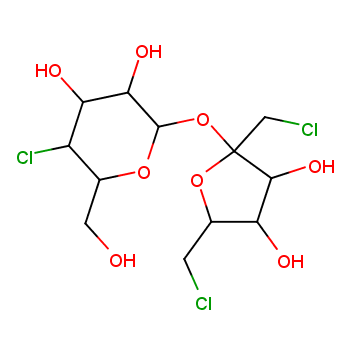
Sucralose, with the chemical formula C12H19Cl3O8 and CAS number 56038-13-2, is a chlorinated derivative of sucrose, often marketed under the brand name Splenda. It is a synthetic sweetener that is approximately 600 times sweeter than sugar and is used in many diet foods and beverages as a substitute for sugar.
When comparing sorbitol and sucralose, it is important to understand their chemical structure, sweetness potency, and potential health benefits. Both sorbitol and sucralose are commonly used in sugar-free or low-calorie products, yet their properties and uses vary significantly.


Both compounds are derived from simple sugars, but while sorbitol is a naturally occurring sugar alcohol, sucralose is a synthetic compound created through a chemical modification of sucrose.
Both sorbitol and sucralose are widely used in the food industry, particularly in sugar-free and low-calorie products. Each compound serves different purposes depending on its properties and the desired effect in the food product.

Sorbitol is a widely used sugar substitute in a variety of sugar-free and "no sugar added" products. Its versatility makes it a common ingredient in chewing gum, candy, baked goods, and soft drinks, where it provides sweetness with fewer calories than sugar. Additionally, sorbitol is a popular choice for diabetic foods because it does not cause a rapid rise in blood sugar levels. This property makes it an ideal sweetener for individuals managing diabetes or those looking to reduce their sugar intake for other health-related reasons, such as weight management or preventing metabolic disorders.
However, while sorbitol offers significant benefits, it is not without drawbacks. Consuming large amounts can lead to digestive issues such as gas, bloating, or diarrhea, particularly when intake exceeds 10 grams per day. People with sensitive digestive systems should be especially cautious, as sorbitol can act as a laxative when consumed in excess. Despite these potential side effects, when used in moderation, sorbitol remains an effective low-calorie alternative to sugar, helping to support dietary goals, improve weight management, and provide a practical option for individuals with specific health needs.
Sucralose is widely recognized as a high-intensity sweetener commonly used in diet sodas, sugar-free candies, and various processed foods. With a sweetness approximately 600 times greater than regular sugar, only a small amount is needed to achieve the desired flavor, making it an effective way to reduce calorie intake without compromising on taste. This has made sucralose a popular choice for those managing their weight or seeking healthier alternatives to sugar.
Unlike sorbitol, which can have a laxative effect and cause digestive discomfort when consumed in larger quantities, sucralose is well-tolerated and does not contribute to gastrointestinal issues. Additionally, it does not impact blood sugar levels, making it a safe and versatile option for individuals with diabetes or those aiming to regulate their glucose intake. Its heat stability further enhances its versatility, allowing it to be used in cooking and baking without losing its sweetness. This property expands its applications in food manufacturing, enabling the creation of sugar-free versions of traditionally sweetened baked goods and cooked dishes.
In summary, sorbitol and sucralose both offer unique benefits as sugar substitutes. Sorbitol is ideal for those looking for a sugar alcohol that provides a moderate sweetness while also aiding in digestive health, although excessive consumption can lead to digestive issues. Sucralose, on the other hand, is a highly concentrated sweetener that is ideal for individuals looking to reduce calorie intake without compromising on sweetness. Both have their applications, and the choice between them depends on the specific needs of the consumer.
| Side Effect |
Sorbitol |
Sucralose |
|---|---|---|
| Digestive Issues | Common, can cause bloating, gas, or diarrhea if consumed in excess | Rare, generally does not cause digestive issues |
| Impact on Blood Sugar | Minimal, does not cause blood sugar spikes | None, does not affect blood sugar levels |
| Taste | Mildly sweet, but may have an aftertaste | Extremely sweet, but may have a slight chemical aftertaste |
| Calorie Content | Low-calorie, but contributes a small amount of energy | Zero calories |
If you're looking to purchase these compounds, Guidechem is your go-to platform for sourcing high-quality raw materials and reliable suppliers. With our extensive global network, we connect you to a wide range of Sorbitol suppliers and Sucralose suppliers, ensuring you find the right products to meet your specific research or production requirements. Whether you're in pharmaceuticals, food additives, or other industries, Guidechem simplifies the sourcing process, offering verified supplier information, competitive pricing, and seamless communication.
[1]Sugar Alcohols in Foods by K. H. Zhang.
[2]Chlorinated Sugars and Their Applications by S. M. Ghosh.
[3]Research on Sucralose as a Sweetener in Food Chemistry Journal.
[4]The Use of Sorbitol in Diabetic Foods in Diabetic Research and Clinical Practice.
|
 |



 3YRS
3YRS


