
Stevia Leaf Extract is a natural sweetener derived from the leaves of the Stevia rebaudiana plant. It is widely recognized for its high sweetness intensity with zero calories, making it a popular choice for reducing sugar consumption in food and beverages.
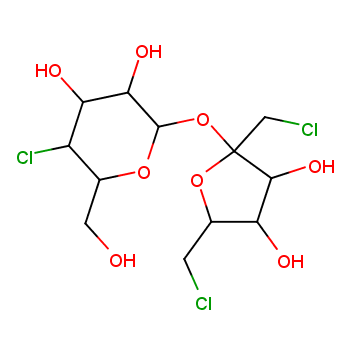
Sucralose, with the chemical formula C12H19Cl3O8 and CAS number 56038-13-2, is an artificial sweetener synthesized through the chlorination of sucrose. Known for its stability under heat and acidity, it is extensively used in processed foods and drinks.
Stevia leaf extract and sucralose are two prominent sugar substitutes, each with distinct origins, chemical properties, and applications. The primary difference between these two sweeteners lies in their natural versus synthetic origins and their effects on taste and health.

The primary distinction in their synthesis lies in their origins and processing methods. Stevia Leaf Extract is derived from a natural plant source through relatively mild extraction and purification techniques, whereas Sucralose is chemically synthesized from sucrose in a laboratory setting. These differences underscore the divergence in their applications and consumer appeal, with Stevia Leaf Extract often marketed as a natural alternative and Sucralose as a highly stable artificial sweetener.
Both stevia leaf extract and sucralose are widely utilized as sugar alternatives, each catering to specific dietary and industrial needs. Their applications span from personal health management to large-scale food production.

Stevia leaf extract is increasingly popular in natural and organic products due to its plant-based origin. It is extensively used in beverages like teas, juices, and carbonated drinks, providing sweetness without adding calories. Its natural composition aligns with the growing consumer demand for clean-label ingredients.
In addition to beverages, stevia leaf extract is used in low-calorie baked goods, dairy products, and confections. Its role extends beyond sweetness, contributing to the formulation of keto-friendly and diabetic-safe foods. Moreover, stevia is a favored ingredient in dietary supplements, providing a sweet profile that complements vitamins and minerals.
Sucralose is a mainstay in processed foods and beverages due to its chemical stability. It is a key ingredient in diet sodas, sugar-free syrups, and shelf-stable baked goods, where its heat resistance ensures consistent sweetness during manufacturing and storage.
Another significant application of sucralose is in pharmaceuticals and oral care products. Its non-cariogenic property makes it a suitable sweetener for toothpaste, mouthwashes, and medications, where sugar can compromise efficacy or safety. Additionally, sucralose is extensively used in weight management programs, catering to individuals aiming to reduce sugar intake without sacrificing taste.
While both stevia leaf extract and sucralose serve as effective sugar substitutes, their applications often depend on specific consumer preferences and product requirements. Stevia is favored for its natural origin, making it a key ingredient in products targeting health-conscious and environmentally aware consumers. Sucralose, on the other hand, is chosen for its versatility and superior stability, making it suitable for complex formulations and long-term storage.
Stevia leaf extract and sucralose serve distinct purposes in the realm of sweeteners. Stevia is ideal for natural and health-focused applications, while sucralose excels in processed and heat-stable products. Choosing between the two depends on the desired balance of taste, health benefits, and industrial requirements.
| Disadvantage |
Stevia Leaf Extract |
Sucralose |
|---|---|---|
| Aftertaste | Possible, may include a slight licorice-like aftertaste | None, generally mimics sugar taste closely |
| Processing | Requires extensive extraction and refinement | Highly processed synthetic compound |
| Health Concerns | Generally safe but may cause mild digestive issues in some | Potential concerns over long-term safety with high intake |
| Cost | Relatively high, due to natural sourcing and processing | Lower, owing to synthetic production |
If you're looking to purchase these compounds, Guidechem is your go-to platform for sourcing high-quality raw materials and reliable suppliers. With our extensive global network, we connect you to a wide range of Sucralose suppliers, ensuring you find the right products to meet your specific research or production requirements. Whether you're in pharmaceuticals, food additives, or other industries, Guidechem simplifies the sourcing process, offering verified supplier information, competitive pricing, and seamless communication.
[1]Sweeteners: Chemistry and Applications by M. J. Renner.
[2]Food Science and Nutrition in Journal of Food Chemistry.
[3]Sugar Substitutes and Public Health by R. T. Phillips.
[4]Non-Nutritive Sweeteners in Journal of Clinical Endocrinology.
 |
|



 3YRS
3YRS


