Citric acid and vitamin C are two common substances in our daily lives, with a potential connection between them. Does citric acid contain vitamin c? Citric acid is an organic acid commonly used in food processing, cleaning agents, etc., while vitamin C is an essential nutrient with significant roles in human health. Both have important applications in skincare. This article will focus on exploring the relationship between citric acid and vitamin C, revealing the possible connections and interactions between them. By understanding the association between citric acid and vitamin C, we can better understand their roles and significance in our lives.
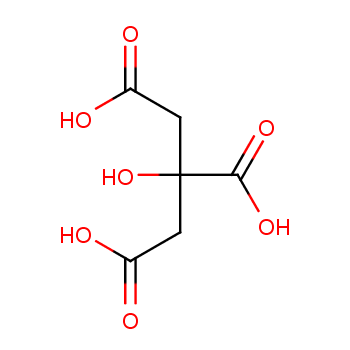
Citric acid is pure, colorless, and tasteless, but it has a strong acidic taste. It was first isolated from lemon juice in 1784 by Swedish chemist Carl Wilhelm Scheele. In 1917, food chemist James Currie discovered that it could be produced from black mold strains, a method still in use today. It is commonly used in food production as a flavor enhancer and preservative. Due to its antioxidant properties, it is also used as a component in medications to enhance stability and act as a preservative.
Vitamin C (also known as ascorbic acid) is a water-soluble nutrient that plays an important role in maintaining skin health. It belongs to a class known as antioxidants, essential for wound healing, enhancing iron absorption from plant-based foods, and supporting the immune system. While both antioxidants are found in citrus fruits, citric acid does not contain vitamin C.

Let's clarify a common misconception: vitamin C does not contain citric acid.
Citric acid and vitamin C are often confused because they share some similar properties and are both present in citrus fruits. However, they are different molecules with distinct chemical structures and functions.
Vitamin C, also known as ascorbic acid, is a six-carbon organic molecule with specific arrangements of hydrogen, oxygen, and carbon atoms. This structure gives vitamin C its essential antioxidant properties. On the other hand, citric acid has a different six-carbon structure with additional functional groups, making it more acidic than vitamin C. While both are organic acids found in citrus fruits, their unique molecular structures set them apart.
In the pharmaceutical industry, citric acid serves as a pH adjuster and antioxidant, used to preserve vitamins and minerals. It improves the palatability of medications by masking the bitterness of active ingredients. Citric acid plays multiple roles in vitamin supplements, typically added during the formulation process. It aids in stabilizing and preserving the active components of vitamins, extending their shelf life and potency. Additionally, it can be utilized to adjust the acidity (pH) of supplements, enhancing their taste or improving their absorption in the body.
There are safety and efficacy considerations regarding citric acid in vitamins. While generally safe for most individuals, those sensitive or allergic to molds may experience reactions. In some cases, citric acid may interact with certain medications, so consulting a healthcare professional before taking vitamins containing citric acid is always wise.
Topical vitamin C is a scientifically backed ingredient favored by dermatologists because it can help slow down early signs of aging, prevent sun damage, improve the appearance of wrinkles and dark spots, among many other benefits. Its abilities include brightening, firming, protecting, and promoting collagen production, making it beneficial for the skin.
As we age, collagen in our skin begins to break down and decrease, leading to fine lines, wrinkles, and sagging.
Vitamin C helps reduce excessive pigmentation and dullness—it helps reduce melanin formation, aiding in skin brightening.
Vitamin C inhibits protein complexes that initiate the inflammation process, making it great for healing acne and preventing post-inflammatory hyperpigmentation.
Vitamin C can prevent the formation of free radicals from UV exposure. However, it is not a substitute for sunscreen and should always be applied before sunscreen.
As a member of the AHAs family, its strongest point is exfoliation. Nonetheless, it has some additional benefits such as combating oxidative stress, brightening the skin, promoting removal of excess oil, maintaining skin pH, and enhancing collagen production.
This benefit is attributed to citric acid's antioxidant properties. External factors like pollution and sun damage can harm your skin cells, and antioxidants help combat some of this oxidative stress.
Citric acid acts as an exfoliant to help brighten the skin. Over time (don't expect overnight results), it can be your ally in treating dark spots, hyperpigmentation, and acne scars.
Citric acid is a natural astringent, meaning it helps dry up excess oil, keeping the skin clean.
pH ranges from 1 to 14, with 7 being neutral, lower being acidic, and higher being alkaline (basic). The ideal skin pH for women is between 4.5 to 5.5 (acidic), but it varies depending on our diet, sleep, products we use, and environmental factors. Citric acid is a natural pH balancer with a pH between 3 to 6. This is crucial because you don't want your pH to become too alkaline. If you manage to keep your pH balanced, you'll have normal skin barrier function.
Research suggests that citric acid can stimulate collagen production, aiding in skin elasticity and firmness.
No, citric acid is not vitamin C in skincare products. They are different ingredients with different functions:
It has antioxidant and skin-brightening effects but may be unstable and irritating for sensitive skin.
Exfoliates, balances pH, potentially improves hydration, but lacks antioxidant or collagen-promoting effects like vitamin C.
However, citric acid can complement vitamin C in skincare by: exfoliating to help vitamin C penetrate the skin better; pH balancing to create a more stable environment for vitamin C. While not a replacement for vitamin C, citric acid can support its effectiveness in skincare products.
In conclusion, there is a certain connection between citric acid and vitamin C, but they have distinct differences in chemical structure and function. Understanding the relationship between citric acid and vitamin C can help us make better choices for skincare and health products, thereby better caring for our skin and maintaining overall health. Therefore, we should make informed choices when selecting skincare products, paying attention to the ingredients to ensure effective care and protection for our skin. Let's strive together to focus on skincare ingredients and choose products beneficial for our skin and health.
[1] https://www.foreo.com/mysa/citric-acid-in-skincare-all-you-need-to-know/
[2] https://www.foreo.com/mysa/everything-you-need-to-know-about-vitamin-c-in-skincare/
[3] https://pubchem.ncbi.nlm.nih.gov/compound/Ascorbic-Acid
[4] https://enewsletters.k-state.edu/youaskedit/2019/08/06/citric-acid-vs-ascorbic-acid/
 |
 |
 |



 1YR
1YR


