In daily life, we often use citric acid as a food additive, cleaning agent, or for other purposes. However, for many people, the storage and usage of citric acid may not be clear, leading to a common question: does citric acid expire? In this article, we will delve into the ways to store citric acid, its shelf life, and how to determine if citric acid has expired. Let's unravel the mystery of whether citric acid expires and better understand how to properly store and use this common chemical compound.
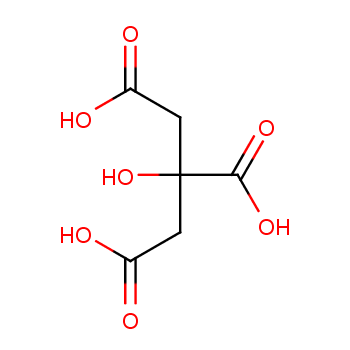
Citric acid, first extracted from lemon juice by a Swedish researcher in 1784, is a colorless and odorless compound produced from lemon juice. It wasn't until the early 20th century that researchers discovered it could also be produced from black mold. Due to its acidity and tartness, it is primarily used as a flavoring and preservative, especially in soft drinks and candies. It is also used to stabilize or preserve medications and as a disinfectant.
So, does citric acid expire? Citric acid, as a food preservative and ingredient in cosmetics, medications, and beverages, has a shelf life of three years from the date of production. The chemical composition and potency of this acid can remain stable for at least five years in its original sealed container. Store citric acid in its undiluted form in its original bottle or container. Keep the acid within a temperature range of 50% relative humidity and 50 to 86 degrees Fahrenheit. Temperatures above 104 degrees Fahrenheit will cause granular citric acid to harden. Do not add water or any other liquid to the acid, as this will reduce its potency. Follow any and all recommendations and warnings on the acid bottle or container.

Citric acid has an excellent shelf life when stored properly. Typically, unopened packages of citric acid can be stored indefinitely as long as they are kept in a cool, dry place away from direct sunlight. If the package has been opened, it can still maintain its potency for up to five years without any noticeable difference in efficacy. It's worth noting that while citric acid itself does not spoil, it may clump over time due to moisture, though this does not affect its usability. Citric acid is usually not frozen as it can be stored at room temperature for extended periods.
Expired citric acid, if stored properly, is generally considered safe. Here are the specifics:
Citric acid itself is a stable compound and is unlikely to become harmful over time.
The bigger issue with "expired" citric acid is that it may lose some of its potency, especially when added for acidity or tartness in recipes.
Citric acid degrades over time, although it is a relatively stable molecule. There are two main ways citric acid degrades:
Occurs when citric acid is exposed to high temperatures (typically above 180°C). The degradation process involves a series of reactions that can produce various products. Some potential products include:
- Itaconic acid
- Aconitic acid
- Citraconic anhydride
- Acrylic acid (gas)
- Carbon dioxide (gas)
- Acetic acid (liquid)
- Acetone (liquid)
Occurs when citric acid is exposed to acidic conditions and high temperatures (hydrothermal degradation). Similar to thermal degradation, a series of reactions decompose citric acid molecules. The primary pathways here may involve the formation of acrylic acid and carbon dioxide.
Citric acid itself does not spoil in the traditional sense as food does, but it degrades over time and loses its effectiveness. Spoilage typically refers to food becoming inedible due to microbial growth. Since citric acid is an acidic compound, it inhibits the growth of most microbes, so spoilage isn't an issue in that sense. Degradation refers to the breakdown of citric acid molecules themselves. Signs of citric acid degradation include:
Determining if citric acid has spoiled is somewhat tricky because it doesn't spoil in the traditional sense. However, if you notice any discoloration, usually pale yellow, or any off-odor, it's best to discard it. Additionally, if it clumps together and becomes rock-like, it may be too old and should be replaced.
Through this article, we have learned that citric acid can be stored for long periods under proper conditions without truly "expiring." However, we should also pay attention to the quality and purity of citric acid to ensure it doesn't pose any health risks when used. When storing citric acid, we should follow the correct methods and keep it in a dry, cool environment, away from moisture or direct sunlight. When using citric acid, we should check its appearance, odor, and solubility to determine if it's suitable for use.
Most importantly, whether using citric acid in food processing, cleaning products, or other fields, we should choose products carefully and follow the correct usage methods to ensure our health and safety. It is hoped that through this article, readers can better understand the storage and usage of citric acid, avoiding unnecessary risks due to citric acid quality issues. Let's collectively pay attention to the quality and safety of citric acid and enjoy a healthy and beautiful life.
[1] https://www.quora.com/Does-citric-acid-expire
[2] https://cooklist.com/products/baking-goods/seasonings/citric-acid
[3] https://www.physicsforums.com/threads/does-citric-acid-decay-over-time.415092/
[4] https://www.sciencedirect.com/science/article/abs/pii/S0926337306003754
[5] https://www.healthline.com/nutrition/citric-acid
 |
 |
 |



 1YR
1YR


