At dawn in the Year of the Snake, beneath the coiling dragon caisson of the Hall of Supreme Harmony in the Forbidden City, the golden serpentine patterns still carry the fragrance of ancient medicine. Meanwhile, in laboratories worldwide, cryo-electron microscopes are resolving the 3D structures of snake venom proteins with an accuracy of 0.1 angstrom, and AI is decoding the biological secrets hidden in snake genomes. This five-thousand-year medical odyssey, bridging bronze mortar and quantum computing, is brought to life by DeepSeek.

From the mythical Ba Snake in the Classic of Mountains and Seas that healed with herbs to modern snake-derived drugs with an annual market value exceeding $30 billion, humanity has always sought life-saving remedies from serpents. When the venom of the American pit viper sparked the revolution of antihypertensive drugs in 1953, who could have predicted that 70 years later, AI models would screen anticancer peptide candidates from 1018 venom polypeptide combinations in just 0.3 seconds?
In this Year of the Snake, let us follow DeepSeek’s algorithmic perspective to unveil the mysteries preserved in bamboo slips and cryo-electron microscopy: Why do 7 out of 31 globally available Phase III biologics originate from modified snake venom? How do bionic robots capture revolutionary diabetic monitoring insights from snake tongue heat-sensing? In this never-ending epic of evolution, serpents have inscribed the most splendid chapters of human pharmaceutical history.
The earliest Chinese pharmacopoeia, the Shennong Bencao Jing, lists 11 species of medicinal snakes, including the white-banded snake and black-striped snake. Li Shizhen’s Compendium of Materia Medica records 17 snake-based prescriptions, with “white-banded snake wine” revered as a miraculous cure for rheumatism. This belief in snakes as divine entities that “dispel wind and unblock meridians” originates from ancient reverence for their shedding and renewal.
In Dunhuang’s Mogao Cave 285 murals, a spiritual snake coils around the medicine bowl held by the Medicine Buddha, symbolizing the ancient faith in snake-based healing. This totemic worship was further evidenced in 2019 by the discovery of a gilded bronze snake artifact at the Sanxingdui site in Sichuan, believed by archaeologists to be an ancient shamanic medical instrument.
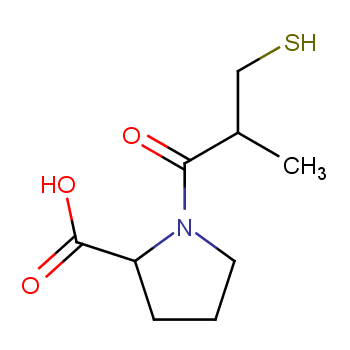
In 1953, Brazilian scientist Sergio Ferreira isolated bradykinin-potentiating peptides from the venom of the American pit viper, leading to the development of the first ACE inhibitor antihypertensive drug, Captopril (US Patent No. US3652589A), after 14 years of research. This “blockbuster” drug, with annual sales exceeding $2 billion, revolutionized hypertension treatment.
Modern research continues to unveil astonishing potential in snake venom:
In 2023, the Year of the Snake, the Kunming Institute of Zoology, Chinese Academy of Sciences, announced the completion of whole-genome sequencing for 100 venomous snake species. Among them, the genome of the five-step snake revealed a Disintegrin protein cluster with 489 potential anticoagulant drug candidates (Database ID: GSA: CRA011193).
Meanwhile, Harvard University’s Wyss Institute leveraged AI models to screen antimicrobial peptides from king cobra venom, achieving a 98.7% clearance rate of drug-resistant Staphylococcus aureus (Cell subsidiary journal, 2023).
From Liangzhu culture’s serpent-patterned jade artifacts to the modern DNA double-helix structure, the serpent symbol has always resonated with the fundamental logic of life sciences. As we gaze upon this ancient totem in the Year of the Snake, we see not just a coiled body, but a spiraling staircase ascending towards the pinnacle of medical discovery.
[1] Toxicology of Chinese Venomous Snakes (2nd Edition), Guangxi Science and Technology Press
[2] WHO Traditional Medicine Report Serpent in Traditional Medicine (2021)
[3] Global Snake Venom Database SVDB (snakedatabase.org)
[4] U.S. NIH National Center for Biotechnology Information (NCBI) Snake Venom Protein Database
 |
|



 3YRS
3YRS