Is calcium hypochlorite the same thing as chlorine? Understanding the relationship between calcium hypochlorite and chlorine is crucial for pool owners and water treatment facilities. In this article, we will delve into the similarities and differences between calcium hypochlorite and chlorine, their uses, safety considerations, and more. By the end of this article, you will have a clear understanding of whether calcium hypochlorite is chlorine and how to effectively utilize calcium hypochlorite for various applications.
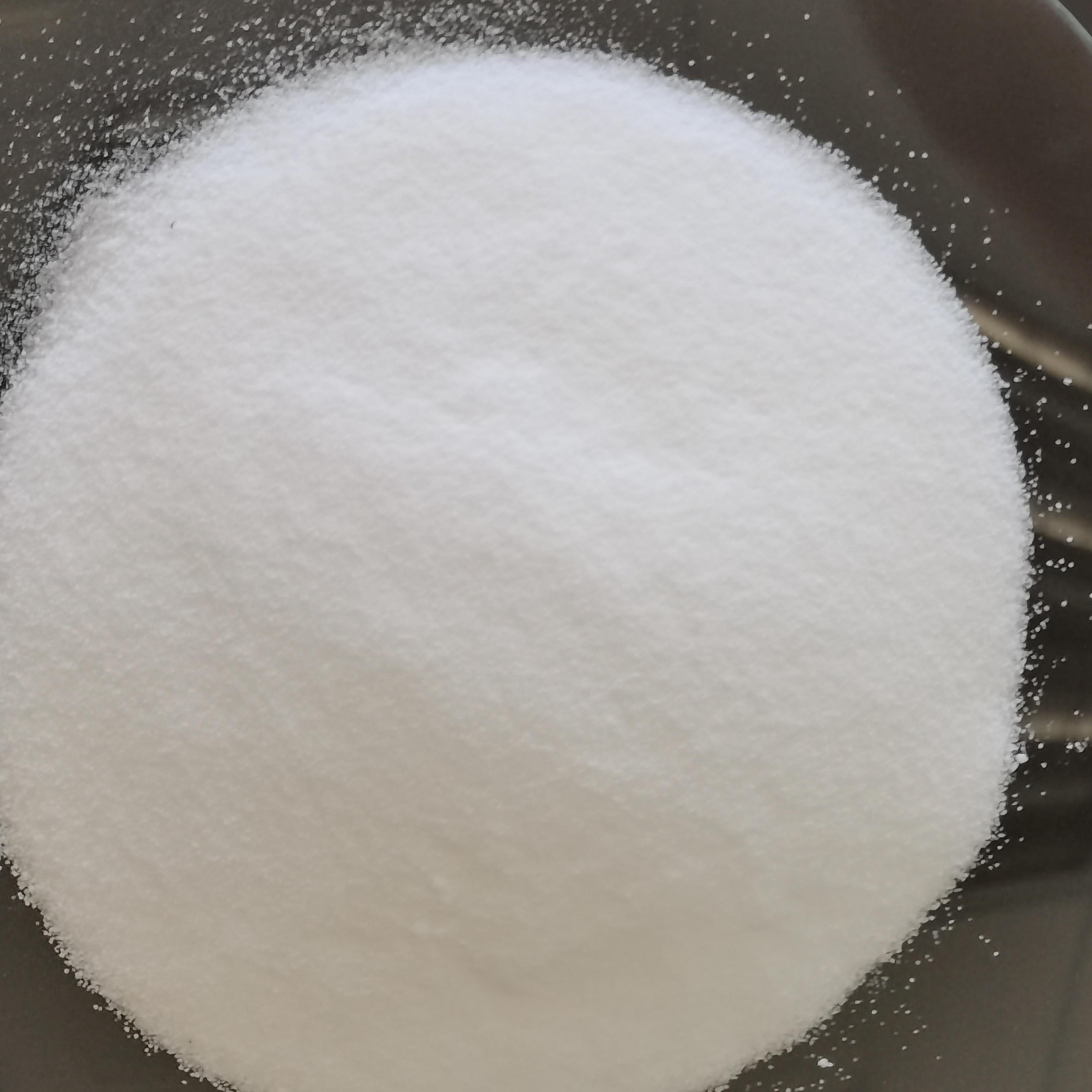
Calcium hypochlorite, a white powder-like solid, has the chemical formula Ca(ClO)2. It emits a strong chlorine odor, is soluble in water, and its aqueous solution is alkaline. With a long history of use, calcium hypochlorite has been discovered since ancient times for its significant role in water treatment and disinfection.
In water treatment and disinfection, calcium hypochlorite finds extensive applications. It effectively kills bacteria and viruses in water and can be used in various water treatment systems such as municipal water purification, disinfection, and bleaching. Moreover, it efficiently treats sewage and industrial wastewater, preventing the spread of pathogens and safeguarding environmental safety.
Compared to other chlorine compounds, calcium hypochlorite has several unique advantages. Its disinfection capability is stronger, rapidly killing bacteria and viruses with long-lasting effects. Additionally, it exhibits high stability, can be stored long-term without generating harmful substances during use, thus being environmentally friendly. Moreover, its relatively low cost makes it widely applicable in water treatment and disinfection fields.
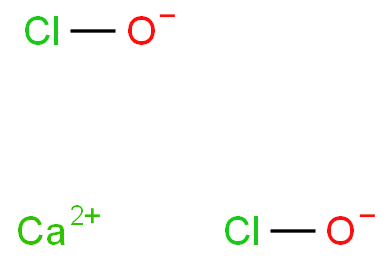
Regarding the relationship between calcium hypochlorite and chlorine, there is often confusion leading to a fundamental question: are they the same substance? Clarifying, while both substances are indeed used for disinfection purposes, they are not identical. An essential distinction lies in their chemical structures. Chlorine, existing in elemental form, is a diatomic molecule (Cl2), whereas calcium hypochlorite is a compound composed of calcium, oxygen, and chlorine atoms. This fundamental difference in composition leads to variations in the properties and applications of each substance.
Although differing in chemical structure, calcium hypochlorite and chlorine share some similarities and differences. Both are effective disinfectants, capable of killing bacteria, viruses, and algae in water. However, their modes of action slightly differ; chlorine gas reacts directly with water to form hypochlorous acid, an effective disinfectant, while calcium hypochlorite, when dissolved in water, releases chlorine ions. Furthermore, calcium hypochlorite typically contains a higher chlorine concentration than chlorine gas, making it more suitable for long-term storage and transportation. Understanding these key similarities and differences is crucial for making informed decisions in water treatment and disinfection strategies.
Chlorine, a yellow-green, pungent-smelling element, was discovered by Swedish chemist Scheele in the 1770s. Chlorine has numerous uses in daily life, such as the commonly used disinfectant chlorine dioxide, which is a chlorine compound. Chlorine is a vital raw material in the chemical industry and is widely present in seawater, salt lakes, and salt mines. Chlorine gas is also a significant industrial raw material, commonly used in the production of hydrochloric acid, pesticides, organic solvents, etc.
Chlorine gas exhibits strong oxidizing properties and generates chlorine when reacting with reducing substances. Moreover, chlorine plays a significant role in the disinfection process. Due to the oxidative nature of chlorine gas, it can kill a variety of microorganisms, including bacteria, viruses, and fungi. For instance, chlorine dioxide, classified as a WHO and FAO Grade A1 safe and efficient disinfectant, is a vital component. Chlorine primarily functions in the disinfection process by reacting with water to generate hypochlorite.
When using chlorine compounds for disinfection, safety precautions are necessary. Chlorine gas is highly irritating and corrosive, requiring the use of rubber gloves when handling chlorine-containing disinfectants. They should be stored in a cool, ventilated area, away from direct sunlight, ignition sources, and heat. Moreover, they should be kept out of reach of children. Skin contact with chlorine gas requires immediate rinsing with plenty of water; if splashed into the eyes, rinsing with water or saline and seeking medical attention promptly is necessary. In case of ingestion, feeding milk, egg whites, etc., to protect the gastric mucosa and inducing vomiting, followed by prompt medical treatment, is advised.
Calcium hypochlorite is a solid compound composed of calcium, oxygen, and chlorine atoms, whereas chlorine is a diatomic gas consisting of two chlorine atoms (Cl2). This fundamental difference in composition leads to differences in their disinfection capabilities. Compared to chlorine gas, calcium hypochlorite contains a higher percentage of active chlorine by weight, making it more concentrated and effective as a disinfectant. Furthermore, calcium hypochlorite is often the preferred choice in water treatment applications due to its stability and ease of handling compared to gaseous chlorine.
In terms of disinfection effectiveness, both calcium hypochlorite and chlorine exhibit potent bactericidal properties, effectively killing bacteria, viruses, and algae in water. However, their modes of action slightly differ. Calcium hypochlorite, when dissolved in water, releases hypochlorous acid and calcium ions, which are strong oxidants that effectively kill pathogens. Chlorine gas, when dissolved in water, forms hypochlorous acid and hydrochloric acid, which also act as disinfectants. Despite these differences, both calcium hypochlorite and chlorine are widely used in water disinfection across various industries, including municipal water treatment plants, swimming pools, and wastewater treatment facilities.
Considering the environmental impact and sustainability of calcium hypochlorite and chlorine is crucial for responsible use and management of these disinfectants. While both compounds effectively eliminate harmful microorganisms, improper management can pose risks to aquatic ecosystems and human health. Excessive use of calcium hypochlorite can lead to elevated chlorine levels in water bodies, potentially endangering aquatic organisms and ecosystems. Similarly, chlorine gas emissions can cause air pollution and ozone depletion. Therefore, implementing appropriate dosage control, monitoring, and wastewater treatment measures are essential for reducing the environmental impact of calcium hypochlorite and chlorine use.
Calcium hypochlorite, commonly known as bleaching powder, is frequently used for disinfection. It serves as a primary component in certain chemical products such as purifiers or bleaching agents. In practical applications, it is often misdeclared as calcium chloride or similar-sounding goods, such as bleaching powder, CCH, BK powder, disinfectant, and lime chloride.
Calcium hypochlorite finds widespread use across various domains primarily due to its potent disinfection properties. In the realm of swimming pool maintenance, calcium hypochlorite forms the cornerstone for ensuring the safety and cleanliness of recreational water. Pool owners and operators rely on calcium hypochlorite to effectively disinfect pool water, eliminating harmful bacteria, viruses, and algae. Its ease of use and high chlorine content make it the preferred choice for routine swimming pool maintenance, aiding in maintaining optimal water quality and clarity.
Calcium hypochlorite plays a critical role in industrial and municipal water treatment processes. Municipal water treatment plants use calcium hypochlorite as the primary disinfectant to purify drinking water supplies, safeguarding public health against waterborne diseases. In industrial environments such as manufacturing facilities and food processing plants, calcium hypochlorite is utilized for wastewater treatment and disinfection. Its rapid neutralization of pathogens and organic contaminants makes it invaluable in ensuring compliance with environmental regulations and maintaining hygienic conditions in industrial operations.
In addition to water treatment applications, calcium hypochlorite is also employed for surface and equipment disinfection in various environments. In healthcare facilities, restaurants, and hospitality establishments, calcium hypochlorite solutions are commonly used to disinfect countertops, floors, utensils, and other high-touch surfaces to prevent the spread of infectious diseases. Furthermore, in agricultural settings, calcium hypochlorite solutions are used to disinfect equipment, tools, and storage facilities, maintaining hygiene standards and preventing contamination.
According to the International Maritime Dangerous Goods Code, calcium hypochlorite is classified as a moderately or slightly hazardous substance and is also considered a marine pollutant. It is a white or pale yellow solid (powder, granules, or flakes) with a chlorine odor and is soluble in water. Contact with organic materials or ammonium compounds can cause fires. When the temperature rises, the substance is prone to exothermic decomposition, leading to ignition or explosion. Heating or impurities (such as metal powders, including iron, manganese, cobalt, magnesium, and their compounds) can cause calcium hypochlorite to decompose. Calcium hypochlorite undergoes slow heating and reacts with acids to release irritating, corrosive, and toxic chlorine gas. In moist conditions, it can corrode most metals. Personnel coming into contact with calcium hypochlorite can suffer skin burns, eye irritation, and mucosal damage.
When calcium hypochlorite encounters an open flame, it decomposes without combustion, releasing oxygen to aid combustion. Moreover, if calcium hypochlorite is mixed with organic materials such as sawdust or oil, it can cause fires even without a conducive environment for combustion.
Another important characteristic of calcium hypochlorite is its instability and tendency for self-reaction. At room temperature, calcium hypochlorite slowly decomposes and releases heat. If the released heat cannot dissipate from the container, its temperature increases, accelerating the decomposition reaction, ultimately leading to uncontrolled reaction and severe fire or explosion.
In this article, we have extensively explored the differences between calcium hypochlorite and chlorine, focusing on their distinct chemical compositions, applications, and effects. For users, understanding these differences is crucial to ensure the safe and effective utilization of calcium hypochlorite in various scenarios such as swimming pool water treatment, industrial processes, and surface disinfection. By adhering to proper handling, storage, and dosage guidelines, individuals can harness the disinfection capabilities of calcium hypochlorite while minimizing potential risks to human health and the environment. For further information or consultation on the safe use of calcium hypochlorite, we encourage readers to consult industry experts or regulatory agencies to ensure compliance with best practices and regulations.
[1] Cheng Shengzi, Liu Jingjing, Liu Honglei, et al. Application and environmental toxicity characteristics of chlorine-containing disinfectants [J]. Three Gorges Ecological Environment Monitoring, 2020, 5 (02): 6-13. DOI: 10.19478/j.cnki.2096 -2347.2020.02.02.
[2] Cui Gang. Maritime safe transportation and management of calcium hypochlorite [J]. World Maritime Transport, 2018, 41 (09): 19-22. DOI:10.16176/j.cnki.21-1284.2018.09.004.
[3]https://www.troublefreepool.com/google-search/?q=Calcium+hypochlorite
|
 |
 |



 15YRS
15YRS