In terms of pool hygiene, selecting the appropriate chlorinating compound is crucial. This guide compares two commonly used choices for pool disinfection: sodium dichloro-s-triazinetrione and calcium hypochlorite. Explore their differences in composition, effectiveness, safety, and compatibility to make informed decisions for your pool maintenance needs.
Chlorinating compounds play a critical role in pool maintenance by effectively killing microbes and maintaining water cleanliness. In recent years, sodium dichloro-s-triazinetrione and calcium hypochlorite have emerged as two widely used chlorinating compounds in pool maintenance. Sodium dichloro-s-triazinetrione consists of chlorine, a triazine ring, and a trione structure, while calcium hypochlorite is composed of chlorine and calcium. Both compounds are excellent chlorinating agents with unique advantages in pool maintenance.

Sodium dichloro-s-triazinetrione is a compound widely used as a cleaner and disinfectant. It is a colorless, water-soluble solid formed by the reaction of cyanuric acid with chlorine. Primarily employed as a disinfectant, germicide, and industrial deodorizer, it's a staple in modern water purification tablets/filters. It surpasses previously utilized haloketone water disinfectants in effectiveness, steadily releasing chlorine at low concentrations. Used for disinfecting drinking water, pools, utensils, and air, it combats infectious diseases routinely.
Dichloro is a stable form of chlorine containing both chlorine and cyanuric acid, making it an efficient and convenient choice for pool water disinfection. Among its key advantages is its high chlorine content, swiftly and effectively sanitizing pool water, effectively killing bacteria, viruses, and algae. Compared to other chlorine compounds, dichloro is relatively stable, boasting a longer shelf life, rendering it a preferred choice for pool operators and maintenance professionals.
Maintaining hygiene in pools is paramount for ensuring the health and safety of pool users. However, a drawback of dichloro is its potential to elevate cyanuric acid (CYA) levels in pool water over time. CYA acts as a stabilizer for chlorine, shielding it from degradation by UV sunlight, but excessive CYA accumulation diminishes chlorine effectiveness, necessitating corrective measures.
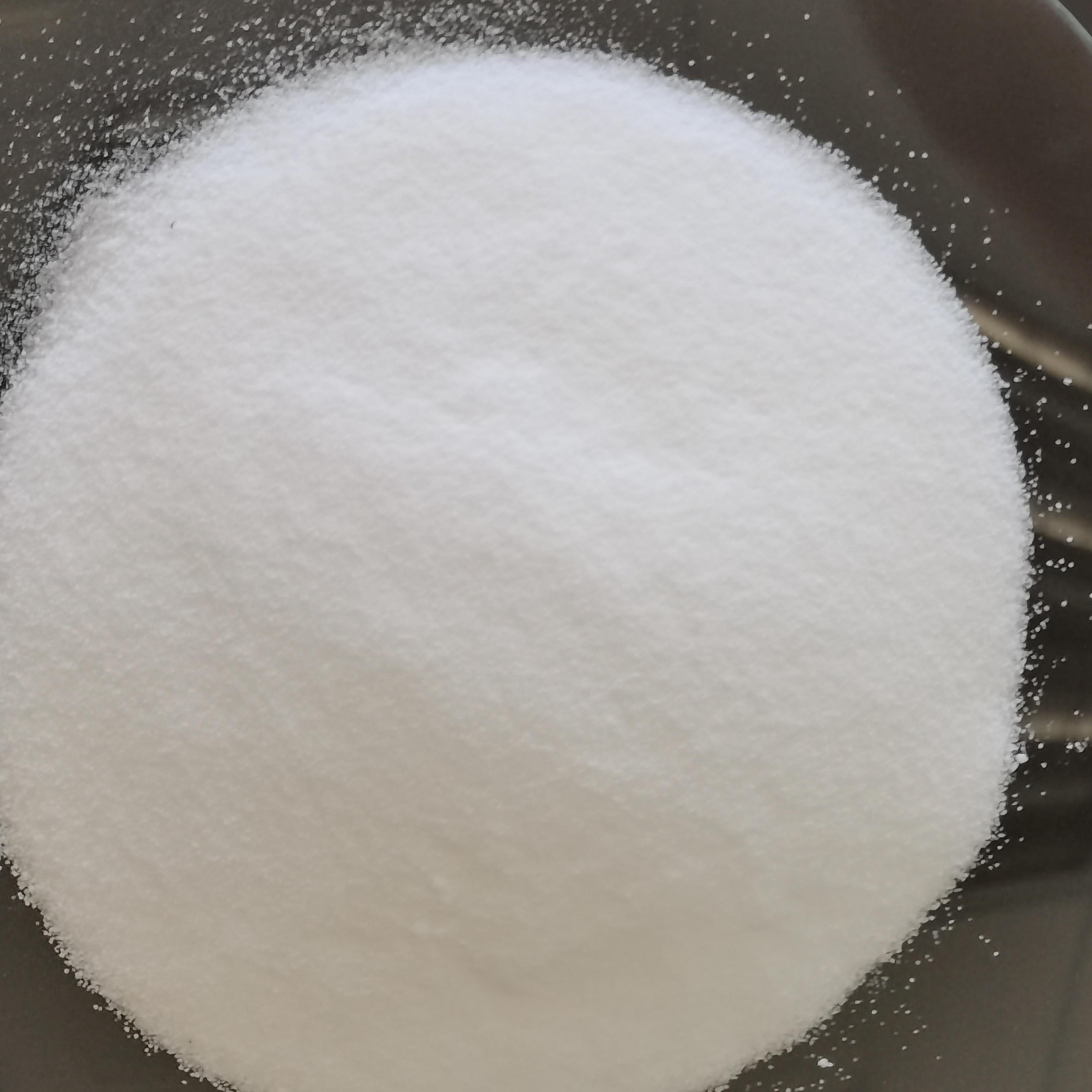
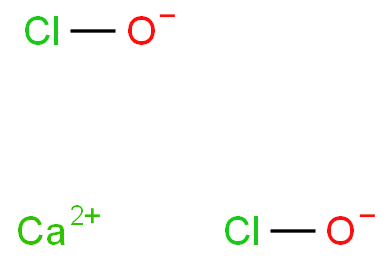
Calcium hypochlorite, also known as Ca(ClO)2 or Ca(OCl)2, is an inorganic compound widely used as a bleaching agent and disinfectant, often recognized by its white solid appearance, although commercial samples may exhibit a yellow tint. With a distinct chlorine odor, it slowly decomposes in moist air. This compound boasts relative stability in both solid and solution forms, containing a higher active chlorine content compared to sodium dichloro-s-triazinetrione, typically boasting 99.2% of active chlorine in pure samples, while industrial grades commonly feature 65-70%. It serves as a primary active ingredient in commercial products like bleach powder, applied notably in water treatment processes.
Calcium hypochlorite offers numerous advantages for pool disinfection, primarily due to its high chlorine content, effectively combating bacteria, viruses, and algae in pool water, ensuring a safe and hygienic swimming environment. Additionally, its relative stability and extended shelf life compared to other chlorine compounds make it a convenient choice for pool operators. Nonetheless, it comes with limitations. One drawback is its potential to elevate calcium hardness in pool water, which if mismanaged, could lead to scale formation and equipment damage. Furthermore, its addition raises the pH of pool water, necessitating meticulous monitoring and adjustment for optimal water balance.
Sodium dichloro-s-triazinetrione, commonly known as dichlor, is renowned for its potent disinfecting properties. When added to pool water, dichlor rapidly releases chlorine, effectively removing bacteria, viruses, and algae. Its stabilizer, cyanuric acid, protects chlorine from degradation by ultraviolet light, prolonging its effectiveness and reducing the need for frequent reapplication. This makes dichlor a convenient and effective choice for maintaining optimal water quality and hygiene in pools.
The effectiveness of dichlor and calcium hypochlorite in treating different pool contaminants depends on the type and concentration of contaminants. While both compounds are effective against various pathogens including bacteria, viruses, and algae, dichlor may have an advantage in situations requiring rapid disinfection. Its rapid chlorine release ensures swift action against pool contaminants, aiding in maintaining a clean and hygienic swimming environment. However, calcium hypochlorite also provides effective disinfection capabilities.
The efficacy of calcium hypochlorite in pool maintenance may be influenced by various water conditions, including pH, temperature, and calcium hardness. While calcium hypochlorite is generally effective under a wide range of water conditions, it may be less stable in environments with higher pH values, leading to reduced disinfection effectiveness. Additionally, high calcium hardness in pool water can affect the solubility and effectiveness of calcium hypochlorite, potentially requiring higher doses for adequate disinfection. Therefore, pool operators must carefully monitor water chemistry parameters and adjust chlorine dosage accordingly to ensure optimal disinfection effectiveness of calcium hypochlorite under different water conditions.
Special attention to safety is required during the handling and storage of sodium dichloro-s-triazinetrione and calcium hypochlorite. Effective safety measures must be implemented to minimize risks and hazards to workers and the environment.
When handling and storing dichlor, primary considerations include its potential hazards to human health and the environment. Due to its strong irritant properties, appropriate protective clothing, protective eyewear, and respiratory protection are necessary. Inhalation, skin contact, or ingestion of dichlor should be avoided during operations. During storage, protective measures should be followed, storing dichlor in designated secure storage facilities and separate from other chemicals.
Similar safety measures are required for calcium hypochlorite. It is a strong oxidizing agent and reacts with organic materials to produce chlorine gas. Therefore, when handling and storing calcium hypochlorite, contact with other organic substances should be avoided, as well as exposure to direct sunlight to prevent decomposition. Additionally, calcium hypochlorite should be stored in a cool, dry, well-ventilated area, and operations and handling should follow relevant safety procedures.
To minimize accidents and exposure, safety measures include: (1) Establishing an effective safety management system, clarifying safety responsibilities, and conducting regular safety inspections. (2) Developing detailed safety operating procedures and training workers to ensure their understanding of chemical characteristics, hazards, and safe handling methods. (3) Strengthening chemical management, timely emptying storage containers and waste, and avoiding misuse or ingestion of chemicals.
It is generally not recommended to mix calcium hypochlorite and sodium dichloro-s-triazinetrione, as chemical reactions and compatibility issues may occur. Both compounds are chlorinating agents used for pool disinfection, but their chemical compositions and reaction mechanisms differ. When calcium hypochlorite dissolves in water, it releases hypochlorous acid (HOCl) and calcium hydroxide (Ca(OH)2), both of which are effective disinfectants. Dichlor contains both chlorine and cyanuric acid, which act as stabilizers to protect chlorine from degradation by ultraviolet light. When calcium hypochlorite and dichlor are mixed, there is a risk of chemical reactions between these two compounds, potentially producing harmful by-products.
To avoid hazardous mixtures and ensure safe pool maintenance operations, understanding the chemical reactions and compatibility issues of mixing calcium hypochlorite and dichlor is crucial. One potential reaction that may occur when calcium hypochlorite comes into contact with organic materials or other chlorinated compounds is the release of chlorine gas, which is a toxic and corrosive substance. Additionally, mixing calcium hypochlorite with dichlor may form chloramines, which are irritating compounds that can cause respiratory issues and skin irritation in swimmers. Therefore, adherence to best practices for handling and storing chlorinating compounds separately is essential unless advised by qualified professionals.
Dichlor is a stabilized form of chlorine, and compared to calcium hypochlorite, its unit price is typically higher due to its longer shelf life and additional benefits such as UV protection. Additionally, dichlor has a
higher concentration of available chlorine than calcium hypochlorite, making it more effective for disinfection and potentially reducing overall usage rates. However, calcium hypochlorite may have a cost advantage in terms of initial purchase price, especially when purchased in bulk.
In the long run, pool owners evaluating the cost-effectiveness of dichlor and calcium hypochlorite must consider various factors beyond the initial purchase price. These factors include storage requirements, handling convenience, and maintenance costs associated with each compound. While the upfront cost of dichlor may be higher, its longer shelf life and stable characteristics may reduce product waste and lower overall usage rates over time, potentially offsetting the initial investment. Conversely, calcium hypochlorite may require more frequent replenishment and careful storage considerations due to its shorter shelf life and potential degradation under certain environmental conditions. Therefore, pool owners must weigh these factors and consider their specific pool maintenance needs when determining the most cost-effective solution between dichlor and calcium hypochlorite.
When assessing the environmental footprint of sodium dichloro-s-triazinetrione and calcium hypochlorite, we need to consider their environmental impacts during production, use, and disposal. Sodium dichloro-s-triazinetrione is a chloramine derivative commonly used in metal processing, textile bleaching, and dyeing. Its production process generates significant wastewater and emissions containing harmful chemicals such as heavy metals, volatile organic compounds, and carcinogens. Additionally, sodium dichloro-s-triazinetrione can contribute to environmental pollution during use and disposal. Calcium hypochlorite, as a chlorine disinfectant, has a relatively simple production process but may release chlorine gas and hydrochloric acid during use, posing environmental hazards.
When discussing the sustainability of sodium dichloro-s-triazinetrione and calcium hypochlorite, we need to consider their impacts on water quality and ecosystems. The use of chlorine disinfectants can oxidize organic matter and trace elements in water, lowering water quality and posing a threat to aquatic organisms. The use of chlorine disinfectants may also disrupt microbial communities in water bodies and destabilize ecosystem integrity. The application of calcium hypochlorite in water treatment may degrade water quality and impact aquatic organisms.
To reduce the environmental hazards of sodium dichloro-s-triazinetrione and calcium hypochlorite, the following strategies can be implemented:
(1) Promote the use of environmentally friendly disinfectants. For example, activated carbon filters and alternative disinfectants can be used to appropriately reduce chlorine usage and minimize its environmental impact.
(2) Strengthen regulation and management. Governments and relevant agencies should enhance regulation of the production and use of chlorine disinfectants, control emissions, and reduce their environmental impact.
(3) Promote the recycling of water resources. By promoting the recycling of water resources, waste of water resources can be reduced, while reducing the use of chlorine disinfectants.
While sodium dichloro-s-triazinetrione and calcium hypochlorite are both effective disinfectants, they possess different characteristics and considerations. Dichlor offers the advantage of a stabilized form of chlorine, with a longer shelf life and UV protection, making it suitable for long-term storage and use. On the other hand, calcium hypochlorite can release chlorine rapidly and may be more cost-effective in certain applications. When choosing between dichlor and calcium hypochlorite, pool operators must consider factors such as water conditions, storage requirements, and budget constraints to determine the most suitable option for their specific needs.
[1] https://en.wikipedia.org/wiki/Calcium_hypochlorite
[2] https://en.wikipedia.org/wiki/Sodium_dichloroisocyanurate
[3] Zhao, M., Yang, H., Qiu, Z., et al. (2022). Current Status and Development of Sodium Dichloroisocyanurate. Chinese Chlor-Alkali, (12), 28-35.
[4] Hu, Z., Zhang, L., Du, M., et al. (2019). Evaluation of Sodium Dichloroisocyanurate for Drinking Water Disinfection. Chinese Animal Husbandry, (06), 48-49.
[5] Li, H. (2018). Preparation of Sodium Dichloroisocyanurate. East China University of Science and Technology.
[6] What are the methods of disinfection? Industrial Water Treatment, 2023, 43(06), 186.
 |
 |
|



 15YRS
15YRS