Is citric acid bad for your teeth? This article explores the impact of citric acid on dental health, including its effects on tooth enamel, how to neutralize citric acid, and tips for maintaining healthy teeth.
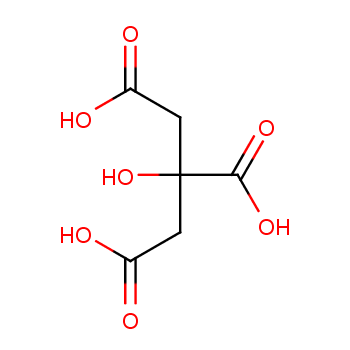
Citric acid is commonly used as a natural flavoring food additive. It is often added as an emulsifier and preservative. Citric acid is also added to many canned and packaged foods to help prevent botulism. In cosmetics and personal care products, citric acid helps brighten skin tone, correct dark spots, and reduce wrinkles. It also serves as a preservative and helps regulate the pH of products. Citric acid is used to help kill harmful bacteria and prevent infections on the skin, which is common among diabetics, the elderly, and smokers.
The U.S. Food and Drug Administration (FDA) considers citric acid as generally recognized as safe (GRAS) when used as a direct food additive. Since the early 1900s, about 99% of the citric acid produced worldwide has been derived from black mold (Aspergillus niger) fermentation. The FDA also generally considers its fermentation safe under the Federal Food, Drug, and Cosmetic Act. Excessive citric acid intake can lead to the erosion of tooth enamel over time. Dental professionals recommend moderate consumption of citric acid-containing foods. They also advise rinsing the mouth after consuming foods and beverages containing citric acid. Using a straw when drinking citric acid-containing beverages can also help reduce tooth decay. Drinking water and consuming low-acidic foods such as nuts, bananas, and cheese alongside citric acid-containing foods may also be beneficial.
Is citric acid bad for your teeth? Excessive intake of citric acid can be harmful to teeth because citric acid is acidic. Is citric acid safe on enamel? Over time, acidity can erode tooth enamel. According to dental experts, tooth enamel is the strongest substance in our bodies. Its function is to protect teeth from daily wear and tear, such as chewing sticky foods and grinding. Tooth enamel also prevents chemical substances and acidic materials from damaging teeth and gums. Once this shell is eroded, anyone can develop cavities. Once cavities begin, they can harm neighboring teeth. To prevent cavities or stop them from worsening, it is necessary to determine how to reduce the impact of citric acid.
Is citric acid flavored water bad for your teeth? Lemon-flavored water typically has low citric acid content, so occasional consumption is generally safe for most people. Drinking acidic beverages throughout the day is particularly harmful to teeth because it exposes them to acid for an extended period. Brushing teeth immediately after consuming acidic foods or beverages further erodes tooth enamel, so it's best to wait at least an hour before brushing.
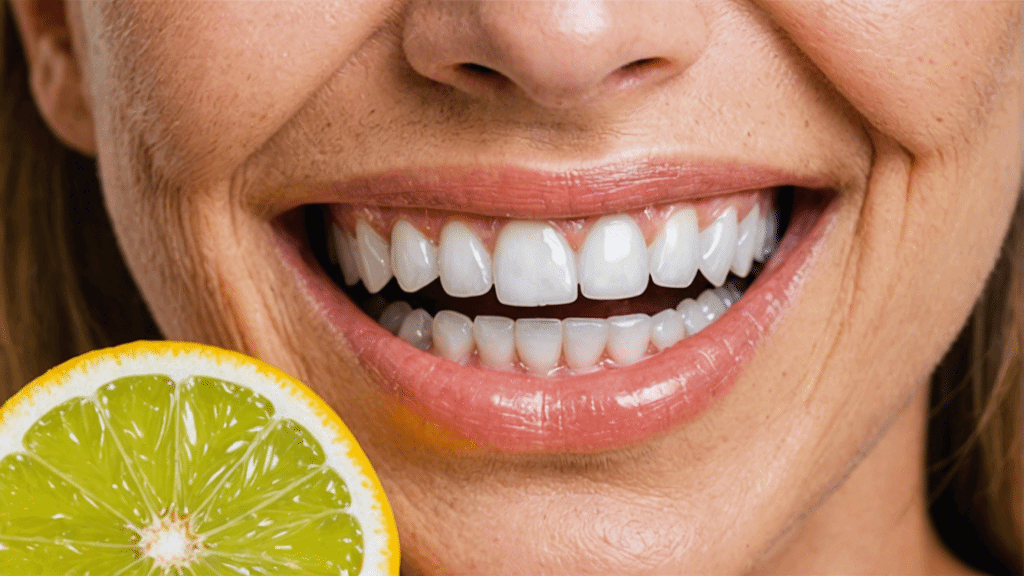
Tooth enamel is the ultra-strong outer layer that protects teeth. However, prolonged exposure to acid can dissolve it. Citric acid is acidic and weakens tooth enamel over time.
Weakened tooth enamel makes teeth more susceptible to cavities. Cavities are essentially holes caused by decay, and the eroded enamel makes it easier for bacteria that cause cavities to reach the inner layers of the tooth.
There isn't a single, definitive amount of citric acid that is harmful to teeth. The impact depends on several factors:
Drinking acidic beverages throughout the day is more harmful than occasional consumption. The longer teeth are exposed to acid, the more likely they are to erode.
The citric acid content varies in beverages and foods. Fruits typically have lower concentrations than some processed foods or candies.
Regular brushing and flossing help remove food particles and bacteria that can make teeth susceptible to acidic substances. Saliva also helps neutralize acids and promote enamel repair.
Citric acid itself is not the direct culprit for yellowing teeth. However, it can make teeth appear less white. Here's why:
As mentioned earlier, citric acid weakens and erodes tooth enamel. Tooth enamel is naturally white and translucent, covering the yellow dentin layer of the tooth. As enamel is eroded, more dentin is exposed, making teeth appear less white and even slightly yellow.
While citric acid doesn't directly stain teeth, it can roughen the surface of tooth enamel due to erosion. This rough surface is more prone to staining from other sources like coffee, tea, or colored foods.
Therefore, citric acid indirectly reduces the whiteness of teeth by thinning the enamel and making the tooth surface more susceptible to stains.
The citric acid content in mouthwash is typically low and has minimal harm to teeth. However, a few things to note are:
(1) Overuse may lead to tooth erosion. While the citric acid content in mouthwash is low, excessive use can still expose teeth to acidic environments for prolonged periods, leading to tooth erosion.
(2) Some mouthwashes contain other acidic ingredients. Some mouthwashes contain other acidic components besides citric acid, such as phosphoric or sulfuric acid. These acidic components further exacerbate tooth erosion.
(3) People with sensitive teeth should use caution. If you have sensitive teeth issues, consult your dentist to see if mouthwash containing citric acid is suitable for you.
In summary, occasional use of mouthwash containing citric acid is generally safe for most people. However, if you have concerns or sensitive teeth issues, consult your dentist. Here are some precautions when using mouthwash containing citric acid:
Through this exploration of the impact of citric acid on teeth and solutions, we understand that citric acid can potentially corrode and damage teeth at high concentrations, but in moderate use, citric acid does not significantly affect teeth. Proper use and intake of citric acid, along with good oral hygiene habits, are key to preventing dental damage. Additionally, reducing the potential impact of citric acid on teeth can be achieved through rinsing after citric acid consumption, controlling intake, and regularly brushing teeth.
We encourage you to take steps to protect your teeth from the harmful effects of citric acid. Learn how to minimize its impact today and maintain a healthy and beautiful smile.
[1] https://www.chemicalsafetyfacts.org
[2] https://www.glowdental.co.uk
[3] https://www.mouthhealthy.org
[4] https://www.artistictouchdentistry.com/teeth-whitening/5-foods-to-avoid-for-a-whiter-smile
[5] https://pubmed.ncbi.nlm.nih.gov/267657
 |
 |
 |



 1YR
1YR


