Pregnancy is a special and important stage for many expectant mothers who need to pay special attention to their diet and lifestyle to ensure the healthy development of their babies. Is citric acid safe during pregnancy? This is a question that many expectant mothers may have during this process. As a common food additive and ingredient in cleaning products, the safety of citric acid during pregnancy is of concern. This article will explore the safety of citric acid during pregnancy, helping expectant mothers better understand its application and impact during this time, to make informed choices ensuring the health and safety of both mother and baby.
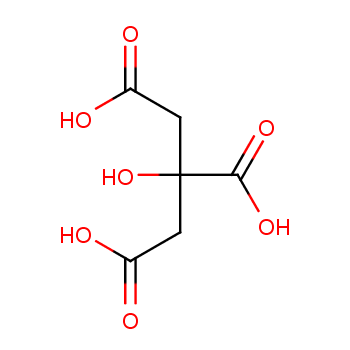
Citric acid is a natural weak acid found in citrus fruits and some other foods. It is widely used as a food additive to enhance flavor, act as a preservative, and aid in food processing. It also has applications in some cosmetics and medications. While citric acid is generally safe for most people, extra caution is needed during pregnancy. Developing babies are particularly vulnerable, so potential risks, including those of citric acid, should be considered when consuming or using any substance.
Citric acid, a natural acid found in citrus fruits, is a common ingredient in many skincare products. These products offer various benefits, including:
Is citric acid in skincare safe during pregnancy? Topical use of citric acid is generally safe for most people, but there are considerations for pregnant women:
While citric acid has many benefits, potential drawbacks must be considered. If you're wondering whether citric acid is harmful to you, here are some things to keep in mind: skin sensitivity, sun sensitivity, and pH balance.
Citric acid is a common ingredient in cleansers. It acts as a gentle exfoliant, helping to remove dead skin cells and brighten the complexion. Generally, the concentration of citric acid used in cleansers is low (less than 5%), as higher concentrations may be irritating.
Using any skincare product during pregnancy comes with some concerns, but citric acid is generally considered safe. Here's why:
The U.S. Food and Drug Administration (FDA) generally considers citric acid safe for use in foods (GRAS).
There is no evidence to suggest that citric acid causes birth defects in animals. However, there is currently a lack of well-designed studies on the safety of citric acid supplements during pregnancy.
Due to the lack of definitive research, most healthcare professionals advise caution when using citric acid supplements during pregnancy, especially in early pregnancy. In general, moderate intake of naturally occurring citric acid found in fruits and vegetables is considered safe for pregnant women. However, concentrated citric acid supplements may pose risks. It's best to consult a doctor before taking any supplements during pregnancy. They can provide advice on safety and dosage based on your individual needs.
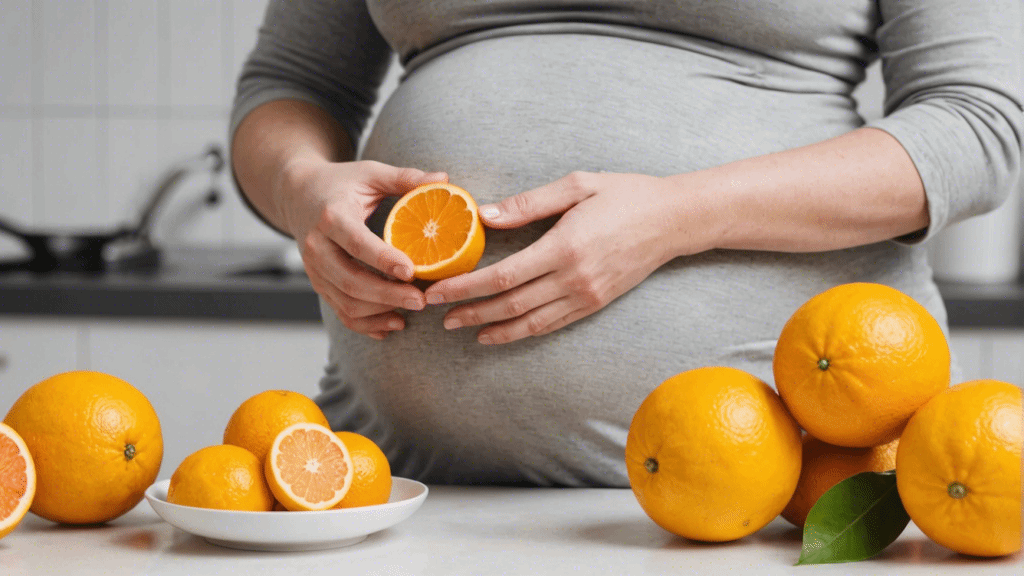
If you're pregnant and need to use citric acid, there are steps you can take to reduce risks: (1) Prioritize natural sources of citric acid, such as fruits and vegetables. Lemons, oranges, and grapefruits are good choices. These foods not only provide citric acid but also essential vitamins and minerals. (2) Discuss any concerns about using citric acid with your doctor. Considering potential benefits and any possible risks, they can advise you on the safest way to incorporate it into your diet or daily routine.
In some cases, there may be safer alternatives to products containing citric acid. For example, if you use citric acid as a food preservative, there are other natural options, such as vinegar or lemon juice. For skincare, consider using gentle exfoliating products or discuss pregnancy-safe options with a dermatologist. Your doctor can help you find safe and effective alternatives based on your specific needs.
In conclusion, the use of citric acid during pregnancy requires careful consideration. While citric acid is generally considered safe in moderation, it's best for pregnant women to seek advice from a doctor or healthcare professional before use. After all, the health and safety of both mother and baby are paramount, and efforts should be made to ensure that the foods and cleaning products chosen are safe for both. Hopefully, this article provides helpful information for expectant mothers, aiding them in making informed decisions to maintain a healthy pregnancy.
[1] https://mederbeauty.com/blogs/blog/skin-care-during-pregnancy
[2] https://www.medicalnewstoday.com/articles
[3] https://www.accessdata.fda.gov/scripts/cdrh/cfdocs/cfcfr/CFRSearch.cfm?fr=582.6033
[4] https://www.drugs.com/pregnancy/citric-acid-magnesium-oxide-sodium-picosulfate.html
 |
 |
 |



 1YR
1YR


