
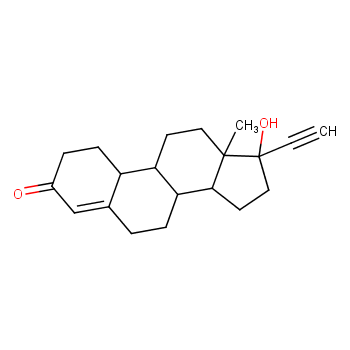
Norethindrone is a progestin drug used for treating gynecological issues, hormone therapy during menopause, and as a contraceptive. It works by binding to progesterone receptors in target cells, causing changes in downstream target genes. It also induces various changes in the endometrium, such as atrophy, irregular secretion, and inhibition of proliferation, making the tissue unsuitable for implantation. The half-life of norethindrone is estimated to be 8–10 hours.
Medroxyprogesterone (MP) is a progestin not used in medical contexts. Its derivative, medroxyprogesterone acetate (MPA), is much more well-known and used as a medication. Medroxyprogesterone is sometimes used synonymously with MPA, although the term almost always refers to MPA rather than MP. Medroxyprogesterone tablets are used to treat abnormal menstruation, irregular periods, or amenorrhea, and to prevent endometrial hyperplasia (thickening of the uterine lining) in postmenopausal women receiving estrogen replacement therapy. Medroxyprogesterone acetate (MPA), sold under brand names like Depo-Provera, is a long-acting injectable form of the hormone used for contraception and as part of hormone therapy for menopause. It is also used to treat endometriosis, abnormal uterine bleeding, certain cancers, and can be combined with estrogen.
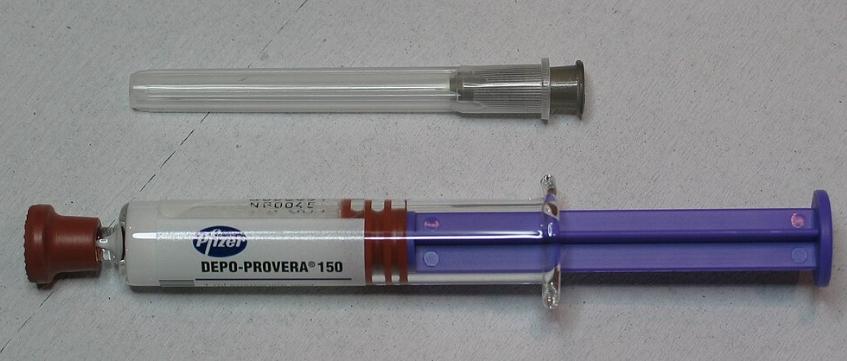
The main difference between medroxyprogesterone (Provera) and norethindrone lies in their uses: Provera is mainly used to regulate menstruation and treat abnormal uterine bleeding, while norethindrone is typically used to delay menstruation or treat specific reproductive system disorders.
Medroxyprogesterone (Provera) is a progestin primarily used to address hormonal issues in women, with uses distinct from norethindrone. Provera is mainly used to regulate menstruation and treat abnormal uterine bleeding, particularly in non-pregnant or postmenopausal women. It helps restore menstrual cycles in women with amenorrhea. Provera can also be combined with estrogen to alleviate menopausal symptoms such as hot flashes and reduce the risk of uterine cancer.
In contrast, norethindrone's primary use is to delay menstruation, but it also has other applications. For example, it is used to treat endometriosis, a condition that causes pain and abnormal menstruation. Norethindrone is also used to regulate irregular menstruation or to treat conditions where the menstrual period is abnormal, helping to restore the menstrual cycle in women who have missed their periods for over three months, provided they are not menopausal or pregnant.
Progestins stimulate the production of prolactin in cultured endometrial stromal cells. A study compared the efficacy of synthetic progestins norethindrone and medroxyprogesterone acetate with natural progesterone in inducing prolactin production by stromal cells. The results indicated that medroxyprogesterone acetate and progesterone had a relative potency of 50:1. Norethindrone produced a moderate and more unstable response.
Ahmed Nooh MBBCH et al. evaluated the efficacy and safety of Depo-Provera (medroxyprogesterone acetate) in treating endometrial hyperplasia (EH) and compared it with norethindrone acetate (NETA) as an oral progestin therapy. 146 women aged 35-50, diagnosed with EH and experiencing abnormal uterine bleeding, were randomly assigned to receive Depo-Provera (injected every 3 months for 6 months) or oral NETA (15 mg daily for 14 days in each cycle for 6 months). The primary outcome measured was the regression of EH, with secondary variables being side effects and the persistence or progression of EH during follow-up. After 6 months, Depo-Provera was more successful in regressing atypical EH compared to NETA, with statistically significant differences between the two groups.

Medroxyprogesterone has 2,465 reviews on Drugs.com, with an average rating of 4.5/10. 31% of reviewers reported positive effects, while 51% reported negative effects. Norethindrone has 1,565 reviews, with an average rating of 4.9/10. 33% of reviewers reported positive effects, while 45% reported negative effects. The best drug for a particular individual depends on their medical history, desired outcomes, and tolerance of potential side effects.
If you are considering combining these drugs for a specific health condition, be sure to consult your healthcare provider to discuss the most appropriate treatment plan. One study evaluated the incidence of amenorrhea with continuous combined therapy using two different progestins and determined whether early bleeding could predict subsequent bleeding and endometrial response. 79 postmenopausal women receiving sequential estrogen-progestin therapy were switched to continuous combined therapy with either norethindrone acetate or medroxyprogesterone acetate. At week 78, one-third of the women experienced amenorrhea, while most others withdrew due to irregular bleeding. Both progestins produced similar results in terms of endometrial atrophy and bleeding patterns.
Venous thromboembolism (VTE) is a condition involving deep vein thrombosis, pulmonary embolism, or both, associated with significant morbidity and mortality. In women with significant risk factors for VTE, progestin-only medications are often recommended for contraception and the treatment of benign menstrual disorders. However, this assumption may not apply to all progestin types and doses. A recent meta-analysis found that using high-dose injectable medroxyprogesterone acetate (DMPA) increases the risk of VTE by 2.6 times. Other non-contraceptive progestins, such as oral norethindrone acetate and oral medroxyprogesterone acetate, were associated with an increased incidence of VTE.
Norethindrone and medroxyprogesterone differ significantly in their uses and mechanisms of action. The choice of an appropriate treatment plan should be based on individual health conditions, as the indications and side effects of these two drugs vary. Consulting a healthcare professional is strongly recommended before making any decisions about which medication to use.
[8]https://www.biotech-asia.org/vol20no2/a-comparative-study-on-efficacy-of-norethisterone-and-medroxyprogestrone-in-the-management-of-dysfunctional-uterine-bleeding-a-prospective-observational-study/
|
 |
 |



 3YRS
3YRS


