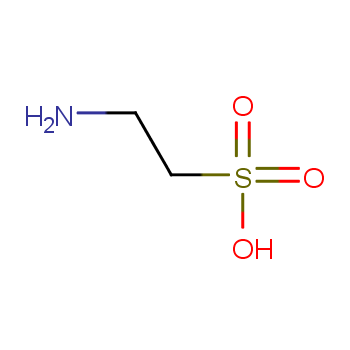
Taurine is a conditionally essential trace nutrient and a rich amino sulfonic acid widely distributed across various tissues and organs in the body. It primarily exists in free form in interstitial fluids and intracellular fluids, and was named after being first discovered in bovine bile. Common energy drinks often add taurine to help boost energy and alleviate fatigue.
Recently, research on taurine has been published in top journals like Science, Cell, and Nature, revealing new functions of taurine, including anti-aging, enhancing cancer treatment efficacy, and combating obesity.
However, on May 14, 2025, Nature published a new study on taurine, and this discovery is a bit different. The research comes from the University of Rochester, and the paper is titled: "Taurine from tumour niche drives glycolysis to promote leukaemogenesis." The study reveals that taurine from the tumor microenvironment drives glycolysis, thereby promoting the development and progression of leukemia.

Signals from the microenvironment are crucial for development, stem cell self-renewal, and tumor initiation and progression. Although some specific signals promoting cancer progression have been identified, systematic research on cancer stem cell receptor disease-related microenvironmental ligands has been lacking.
In this latest study, the research team used time-resolved single-cell RNA sequencing (scRNA-seq) to identify molecular cues from the bone marrow stromal microenvironment that interact with leukemia stem cell-enriched cells (LSCs) during tumorigenesis. By combining these data with human leukemia stem cell-enriched cell RNA sequencing and in vivo CRISPR screens dependent on LSCs, they pinpointed critical LSC-microenvironment interactions essential for leukemia initiation.
The team discovered that cysteine dioxygenase-1 (CDO1)-driven taurine biosynthesis is restricted to osteoblast lineage cells and increases during myeloid disease progression. Leukemia stem cell-enriched cells (LSCs) cannot synthesize taurine on their own. Instead, they rely on taurine transporter (TAUT, encoded by the SLC6A6 gene) to acquire taurine from the bone marrow environment and transport it into cancer cells. Suppressing CDO1 expression in osteoblast lineage cells, thereby reducing taurine biosynthesis, inhibited LSC growth and improved survival outcomes.
Additionally, using a taurine transporter (TAUT) knockout mouse model and acute myeloid leukemia (AML) cells derived from human patients, the research team demonstrated that inhibiting taurine transporter significantly suppressed the progression of myeloid leukemia in vivo.
The research team further found that the expression of taurine transporter (TAUT) was elevated in acute myeloid leukemia (AML) patients resistant to Venetoclax (a BCL2 inhibitor used in AML treatment). Inhibition of TAUT exhibited a synergistic effect with Venetoclax, blocking the growth of primary human AML cells.
Mechanistically, the study showed through multi-omics methods that the loss of taurine uptake inhibits RAG-GTP-dependent mTOR activation and downstream glycolysis, reducing the energy supply for leukemia stem cell-enriched cells (LSCs) and inhibiting their growth.

In conclusion, these studies outline the temporal map of stromal signals during leukemia progression and identify taurine as a key regulatory factor in myeloid malignancies.
Lastly, the research team stated that taurine is a common ingredient in energy drinks and is often used as a supplement to alleviate chemotherapy side effects. However, this new research suggests that taurine supplementation should be carefully considered for leukemia patients. Future studies should investigate taurine levels in leukemia patients. Most importantly, this study highlights the potential benefit of developing stable and effective methods to block taurine from entering leukemia cells.


[1]. https://www.nature.com/articles/s41586-025-09018-7
[2]. https://www.science.org/doi/10.1126/science.abn9257
[3]. https://www.cell.com/cell/abstract/S0092-8674(24)00303-9
[4]. https://www.nature.com/articles/s41586-024-07801-6
 |
|
 |


 2YRS
2YRS


