Many people rely on a can of "miracle water" — energy drinks — during late-night overtime, exam preparations, or fitness training. These drinks promise to give you energy, endurance, and a clear mind. But a recent important study published in the top journal Nature reminds us: the star ingredient in these drinks — taurine — may not be as simple as you think!

Last month, a team from the Wilmot Cancer Institute at the University of Rochester in the U.S. found that taurine may “assist” the growth and spread of leukemia cells. If you haven’t thought about what taurine is, you might want to check the beverage shelves at supermarkets or convenience stores, as many energy drinks list taurine as a key component.
The study found that leukemia stem cells (LSCs) use a transporter protein called TAUT (SLC6A6) to absorb taurine from the bone marrow microenvironment. Once inside the cells, taurine promotes a metabolic process called glycolysis, which helps cancer cells gain energy to expand, divide, and survive faster.

So, how should we interpret this paper in Nature? Does this mean energy drinks containing taurine are off-limits forever?
The conclusion is: most people need not worry.
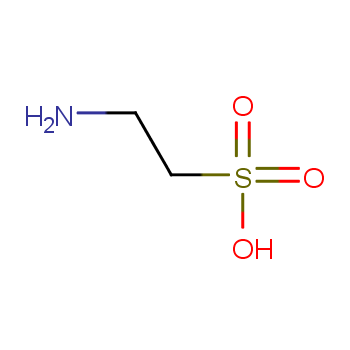
Dr. Gao explains that taurine is actually an amino acid that the human body can synthesize and is widely found in red meat and seafood. Taurine itself is safe and has even been shown to benefit heart health in some studies. The issue is that the taurine content in energy drinks is far higher than what is consumed through food, and long-term high-intensity consumption may disrupt the body’s balance.
Dr. Gao reminds that ordinary people who occasionally drink one or two cans of energy drinks don’t need to panic. But the following groups should be more cautious:
Feeling relieved and about to open a can of energy drink to calm your nerves? Wait, check the nutrition label for sugar content per 100ml first!
The World Health Organization strongly recommends that adults and children limit free sugar intake to less than 10% of total energy intake, ideally below 5%. Based on a 2000 kcal daily diet, this means less than 50g, ideally under 25g of free sugar per day. Even without sugar from other foods, a single can of energy drink can easily exceed healthy sugar limits.
While keeping an eye on taurine’s safe dosage, free sugar may actually be a more pressing concern.
|
 |
 |



 1YR
1YR


