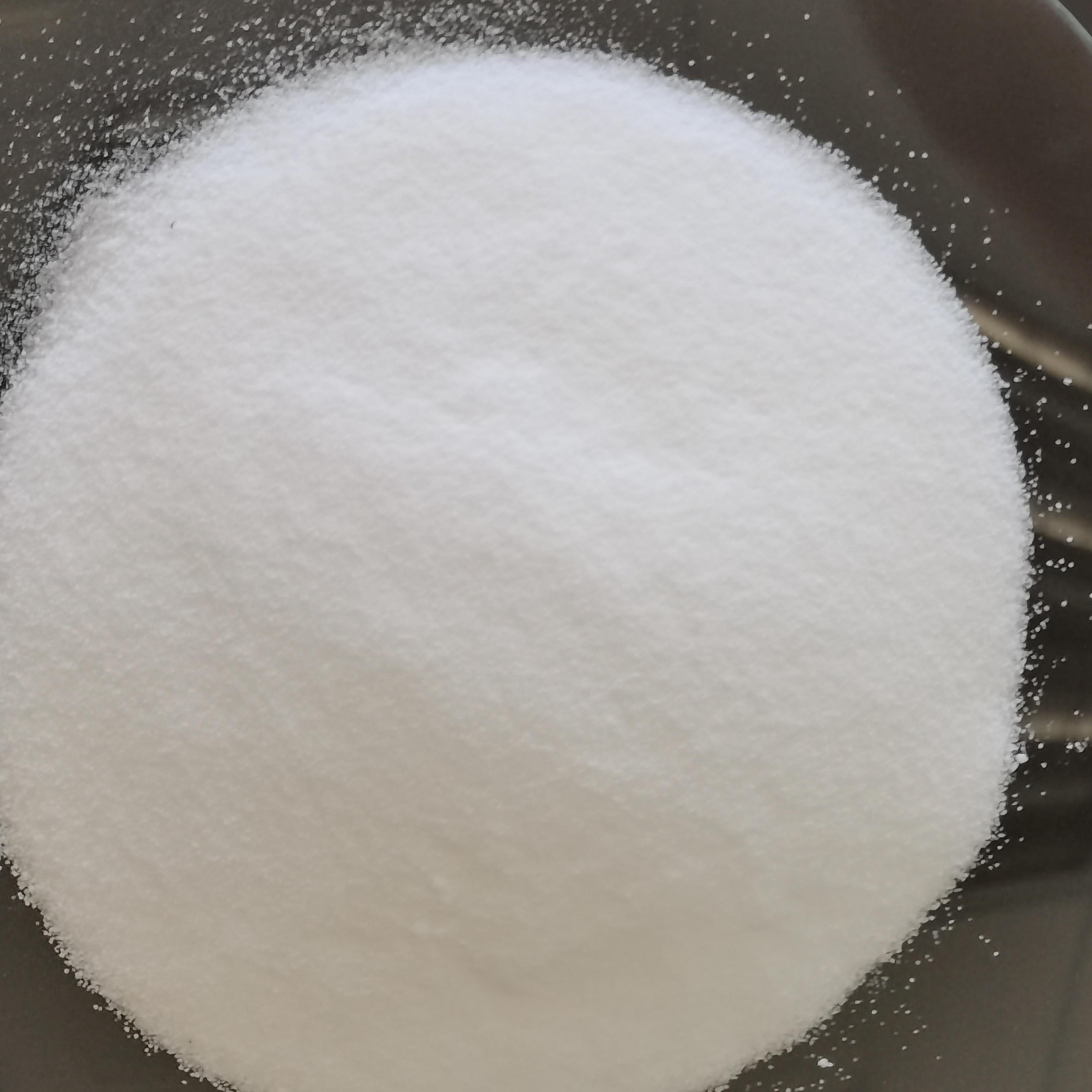
Calcium hypochlorite granular is a white powder chemical reagent with a density of 215g/cm3 and a melting point of 100-110°C. It is easily soluble in water, and its aqueous solution is weakly alkaline. Calcium hypochlorite granular is a commonly used disinfectant, which is of great significance in environmental sanitation and water treatment. It can decompose to produce hypochlorous acid, exhibiting strong oxidizing properties that can kill bacteria, viruses, and other pathogens. Therefore, calcium hypochlorite granular is often used in wastewater treatment and swimming pool disinfection to effectively control water pollution and disease transmission. By following this comprehensive guide, readers will gain a thorough understanding of calcium hypochlorite granules and their applications in water treatment, ensuring their effective use.
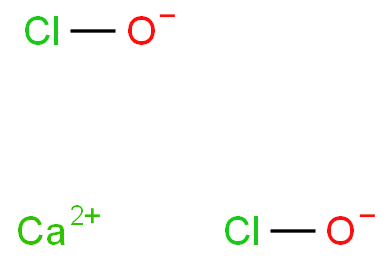
Calcium hypochlorite granular is an inorganic compound with the chemical formula Ca(ClO)2, possessing strong oxidizing and disinfecting properties capable of killing bacteria, viruses, and fungi. The chemical composition of calcium hypochlorite granular mainly consists of calcium ions (Ca2+) and hypochlorite ions (ClO-), whose combination endows calcium hypochlorite with high oxidizing power. When in contact with water, calcium hypochlorite granular releases hypochlorite ions, which react with water to produce hypochlorous acid (HClO) and calcium hydroxide (Ca(OH)2). Compared to other forms of calcium hypochlorite (such as powder form), calcium hypochlorite granular has the following advantages:
(1) High efficacy in sterilization: Due to the strong oxidizing nature of hypochlorite ions, calcium hypochlorite granular can rapidly kill bacteria, viruses, and fungi, resulting in a more potent bactericidal effect.
(2) Easy storage and use: Calcium hypochlorite granular can be conveniently stored and used without the need for special equipment or operational skills.
(3) Environmental friendly: The preparation and use of calcium hypochlorite granular do not produce harmful gases or waste, making it environmentally friendly.

Water treatment plays a crucial role in ensuring clean and safe drinking water, as the risks of waterborne diseases and pollution persist. Calcium hypochlorite granular is a key component in water treatment processes, especially in disinfection and sanitation. By introducing calcium hypochlorite granules into water sources, harmful microorganisms such as bacteria, viruses, and algae can be effectively neutralized, reducing the risk of waterborne diseases and ensuring that drinking water meets stringent quality standards. This disinfection process is essential for protecting public health and preventing outbreaks of waterborne diseases, making calcium hypochlorite granules indispensable in the field of water treatment.
(1) Detailed Explanation of the Disinfection Process of Calcium Hypochlorite Granular:
Calcium hypochlorite granular acts through a multifaceted disinfection process, making it an effective agent for water treatment and sanitation. When calcium hypochlorite granules dissolve in water, they release hypochlorous acid (HOCl) and calcium ions. Hypochlorous acid is an effective disinfectant that penetrates the cell walls of microorganisms and reacts with intracellular components (such as proteins and enzymes), causing their denaturation and degradation. This disruption of essential cellular structures and biochemical processes inhibits the reproduction and proliferation of microorganisms, effectively preventing their spread and growth. Additionally, calcium ions help maintain the pH balance and stability of water, ensuring optimal conditions for disinfection.
(2) Chemical Reactions Killing Pathogens and Bacteria:
The disinfection mechanism of calcium hypochlorite granular involves several chemical reactions targeting and neutralizing pathogens. Hypochlorous acid is the primary disinfectant, capable of penetrating the cell walls of microorganisms and reacting with intracellular components (such as proteins and enzymes), leading to their denaturation and degradation. This destruction of fundamental cellular structures and biochemical processes inhibits the reproduction and proliferative capacity of microorganisms, effectively preventing their transmission and proliferation. Moreover, hypochlorous acid exhibits broad-spectrum antibacterial activity, making it effective against various pathogens, including bacteria, viruses, and protozoa.
(3) Factors Affecting the Effectiveness of Calcium Hypochlorite Granular:
Several factors influence the disinfection efficacy of calcium hypochlorite granules. The concentration of calcium hypochlorite in the solution, contact time between granules and microorganisms, water temperature, pH value, and the presence of organic matter or other pollutants all play crucial roles. Generally, higher concentrations of calcium hypochlorite and longer contact times result in more thorough disinfection. Maintaining proper water chemistry parameters, such as pH value and temperature, ensures optimal conditions for hypochlorite activity. Additionally, the presence of organic matter depletes available chlorine and reduces disinfection efficacy, requiring higher doses or additional treatment steps to achieve the desired level of disinfection.
The numerous advantages of calcium hypochlorite granules make them the preferred choice for disinfection and sanitation:
(1) Effectively eliminates various pathogens, including bacteria, viruses, and algae, ensuring the safety and quality of drinking water. Unlike some alternative disinfection methods, calcium hypochlorite granules provide reliable and consistent results, offering thorough and rapid disinfection.
(2) Long-term stability and extended shelf life contribute to cost savings and operational convenience. Calcium hypochlorite granules can be stored for extended periods without significant loss of efficacy, reducing the need for frequent replenishment and ensuring reliable supply of disinfectants when needed.
(3) Their cost-effectiveness and ease of operation make them an attractive choice for various scales of water treatment facilities, from small community systems to large municipal plants.
Calcium hypochlorite granules have simple dosing procedures and minimal maintenance requirements, offering a practical and economical solution for achieving safe and reliable water disinfection.
(1) Various Techniques for Applying Calcium Hypochlorite Granular in Water Treatment:
Calcium hypochlorite granules have many applications in industrial environmental sanitation and disinfection. They can be used for water disinfection and treatment, such as for pool maintenance, reducing the use of chlorine gas for environmental friendliness. Additionally, they are used in industries such as food processing, medical hygiene, and animal husbandry for sanitation and disinfection purposes.
Calcium hypochlorite granules are widely used in various water treatment techniques, playing a crucial role in disinfection and sanitation processes. A common application is in municipal water treatment plants for treating drinking water and wastewater. In these facilities, calcium hypochlorite granules are introduced into water sources to effectively neutralize harmful microorganisms, including bacteria, viruses, and algae. This disinfection process is essential for safeguarding public health and ensuring that drinking water meets stringent quality standards. Furthermore, calcium hypochlorite granules are used in swimming pools and water spa systems to maintain water clarity and hygiene. By effectively eliminating pollutants and preventing the growth of algae and other harmful organisms, calcium hypochlorite granules help maintain a safe and enjoyable recreational swimming environment.
(2) Dosage and Dispersion Guidelines:
To achieve optimal results in water treatment applications, dosage and dispersion guidelines must be followed when using calcium hypochlorite granules. The appropriate dosage of calcium hypochlorite depends on factors such as the volume and quality of water to be treated and the desired level of disinfection. Typically, dosage recommendations are provided by manufacturers based on specific water treatment requirements and conditions. Proper dispersion of calcium hypochlorite granules in water is essential to ensure uniform disinfection and effective neutralization of pathogens. This may involve the use of mixing equipment or agitation methods to facilitate the dissolution and dispersion of granules. By adhering to recommended dosage and dispersion guidelines, water treatment professionals can maximize the effectiveness of calcium hypochlorite granules in the disinfection process and maintain clean and safe water supply.
Ensuring the safe handling of calcium hypochlorite granules is essential as they are a chemical used for disinfection and may pose hazards to human health. Improper handling may lead to allergic reactions, eye irritation, respiratory irritation, skin damage, and effects on the central nervous system. Therefore, operators need to undergo specialized training and wear protective equipment such as gloves, goggles, and masks, conduct operations in enclosed spaces, and enhance ventilation to ensure safety during handling. Additionally, during storage, it is necessary to store them in cool, ventilated storerooms, avoiding contact with reducing agents, acids, flammable materials, etc. In case of calcium hypochlorite granule leakage, appropriate materials should be used to contain the spillage for timely cleanup. When transporting calcium hypochlorite granules, it is also advisable to use protective equipment to prevent direct skin contact and inhalation of granules. If calcium hypochlorite granules accidentally come into contact with eyes or skin, they should be flushed immediately with plenty of water, and medical assistance should be sought promptly.
Ensuring the safe handling of calcium hypochlorite granules is essential to protect the safety of operators and minimize environmental impact. Therefore, strict adherence to safety operating procedures is necessary to avoid hazards associated with improper use of calcium hypochlorite granules.
(1) What are calcium hypochlorite granules?
Calcium hypochlorite granules are solid compounds containing chlorine and calcium, commonly used as disinfectants and bleaching agents in various industries. These granules are typically in granular or tablet form, soluble in water, and release hypochlorous acid upon dissolution, which is a potent disinfectant.
(2) Is calcium hypochlorite granular the same as shock?
Calcium hypochlorite granules are related to Shock but are not entirely the same. Calcium hypochlorite granules are a form of solid chlorine compound commonly used for disinfection, bleaching, and water treatment purposes. They are in granular or tablet form and are typically added to water to release hypochlorous acid, a powerful disinfectant and oxidant.
On the other hand, "Shock" refers to a specific treatment process where calcium hypochlorite or other Shock products are used to rapidly increase the free chlorine content in swimming pool or spa water. Shock treatments are typically used for rapidly disinfecting water, eliminating algae, oxidizing organic contaminants, and restoring clarity and balance to pools or spa centers. Although calcium hypochlorite granules can be used for Shock treatments due to their high concentration of available chlorine, not all calcium hypochlorite granule products are labeled specifically for Shock treatments. Some may be used for routine disinfection and maintenance rather than Shock treatments. Therefore, while calcium hypochlorite granules and Shock are related and may overlap in usage, they are not identical terms.
(3) What are the uses of calcium hypochlorite granules?
Due to their efficacy in disinfection and sanitation processes, calcium hypochlorite granules are widely used in various fields. In water treatment, calcium hypochlorite granules play a crucial role in purifying drinking water and wastewater, ensuring its safety for consumption and other domestic purposes. In the textile industry, calcium hypochlorite granules are used for bleaching fabrics to remove natural dyes, stains, and impurities, achieving the desired whiteness and brightness. In household cleaning products, calcium hypochlorite granules are added for surface disinfection and removal of stubborn stains, contributing to hygienic and clean living environments.
Calcium hypochlorite granules are an essential and versatile component in water treatment processes, providing robust disinfection capabilities to ensure the safety and cleanliness of drinking water. Their ability to effectively neutralize various harmful microorganisms, combined with their bleaching and stain removal properties, highlights their importance in different industries. We encourage readers to recognize the importance of calcium hypochlorite granules and consider incorporating them into water treatment processes to enhance disinfection efficacy and maintain water quality standards. By exploring and harnessing the full potential of calcium hypochlorite granules, both individuals and industries can contribute to creating safer, healthier, and more sanitary environments.
[1] Li, J. (1991). Calcium Hypochlorite. Liaoning Chemical Industry, (04), 60.
[2] Compilation of Member Achievements of Guangdong Materials Research Society. (2005). Bleaching Powder Production Process [C]. (Publisher Unknown), 2.
[3] Zhang, C. (2019). The Mystery of Disinfectants. Guidance for Junior High School Students, (33), 56-57.
[4] Wikipedia. (n.d.). Calcium Hypochlorite. Retrieved from https://en.wikipedia.org/wiki/Calcium_hypochlorite
 |
 |
 |



 15YRS
15YRS