
Paraffin is a soft, colorless solid derived from petroleum, coal, or oil shale, primarily composed of hydrocarbon molecules with 20 to 40 carbon atoms. Its chemical structure mainly consists of saturated hydrocarbons, either straight-chain or branched, with the general formula CnH2n+2. The term usually refers to a mixture containing various hydrocarbons, especially alkanes and cycloalkanes. Due to its widespread use, paraffin plays an essential role in numerous fields. Depending on the level of refinement, paraffin can be divided into industrial paraffin, semi-refined paraffin, and fully refined paraffin. Industrial-grade paraffin typically contains less than 6 wt% oil and is obtained through dewaxing processes from residue. Semi-refined paraffin can contain up to 3 wt% oil and appears pale yellow to white. Fully refined paraffin contains 0.4-0.8 wt% oil, and it is completely colorless, odorless, and free of harmful substances.
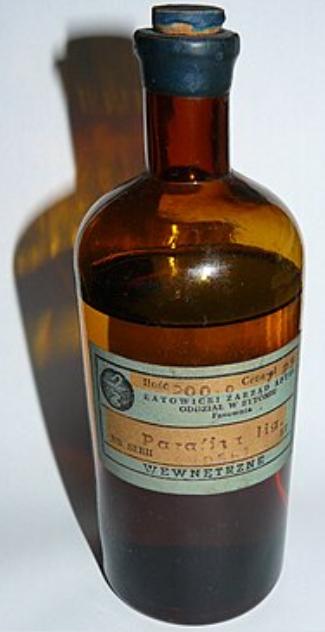
Liquid paraffin, also known as paraffin oil, liquid paraffin oil, or Russian mineral oil, is a highly refined mineral oil used in cosmetics and medicine. Cosmetic or medicinal-grade liquid paraffin should not be confused with the paraffin used as fuel (i.e., kerosene). The general meaning of paraffin is alkane, which leads to regional differences in the meaning of paraffin and paraffin oil. It is a transparent, colorless, nearly odorless oily liquid composed of saturated hydrocarbons derived from petroleum. Below is an image of liquid paraffin:
The initial step in producing paraffin is removing the oil content from slack wax, a process known as deoiling or dewaxing. Typically, oil is separated by crystallization. The slack wax is heated and mixed with one or more solvents (such as ketones), then cooled. During the cooling process, the wax crystallizes out of the solution, while the oil remains dissolved. This mixture is then filtered into solid (wax with a small amount of solvent) and liquid (oil and solvent) components. The solvent is recovered through distillation, and the final products are called "product wax" (or "pressed wax") and "foots oil." The lower the oil content in paraffin, the higher its refinement (either semi-refined or fully refined). Product wax can undergo further processing to remove color and odor, and its melting point and permeability can be adjusted as needed. Ultimately, paraffin can be sold in liquid or solid forms.
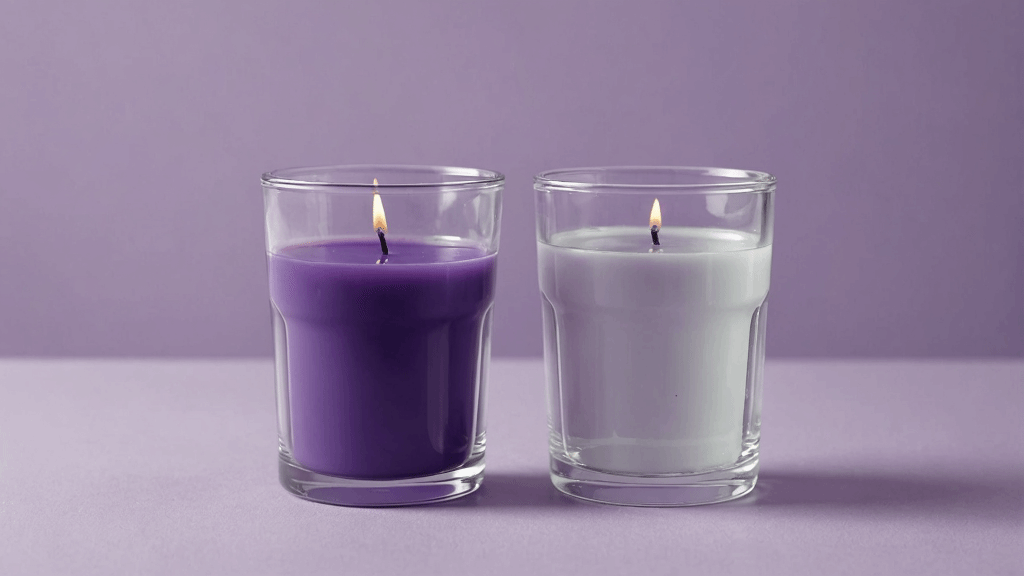
Common uses of paraffin include lubrication, electrical insulation, and candles. Dyed paraffin can be used to make crayons. Paraffin has extensive industrial uses, including in cosmetics, food preservation, candles, wax paper, electrical insulators, and polishes. Liquid paraffin has many additional applications:
Liquid paraffin is widely used in moisturizing treatments, effectively treating or preventing dry, rough, scaly, itchy skin, and minor irritations. It softens and moisturizes the skin, reducing itching and flaking. Additionally, liquid paraffin helps promote the shedding of dead skin cells, helping the skin retain moisture, leaving it smoother and softer.
Liquid paraffin is primarily used as a pediatric laxative in the medical field and is widely used to treat constipation and encopresis. Due to its ease of measurement and synthesis, liquid paraffin is a convenient choice. It primarily acts as a stool lubricant, effectively softening stools and forming an oily film within the intestines, reducing common side effects such as cramping, diarrhea, bloating, electrolyte imbalances, and issues with tolerance in long-term use, though some literature notes that these side effects are still possible. This makes the drug an ideal choice for treating chronic constipation and encopresis in children, requiring large doses or prolonged use. However, consensus on its safety for children has yet to be fully reached. While the drug is widely accepted in North America and Australia for treating pediatric constipation, its use is less common in the UK. The drug is recognized by the American Academy of Pediatrics and the North American Society for Gastroenterology and Nutrition, which list it as a first-line drug for treating constipation in children.
Liquid paraffin can also be combined with magnesium and used as an osmotic laxative, sold under brand names like Mil-Par.
Liquid paraffin is a moisturizing and cleansing agent. It is used in various skincare and hair care products. It is also an ingredient in post-hair removal wipes. Liquid paraffin’s excellent lubricating properties make it an ideal ingredient in hair care products. Unlike other oils that may penetrate the hair strands, liquid paraffin forms a protective layer on the hair surface, locking in moisture and nutrients.
The main benefits of liquid paraffin for hair include: forming a barrier around the hair strands, liquid paraffin effectively prevents moisture loss, maintaining hair elasticity and reducing breakage; its reflective properties add shine to the hair, making it look naturally vibrant without feeling greasy; when used on the scalp, it can soothe dryness and flakiness, promoting a healthy environment for hair growth; and it can also reduce breakage during combing, making the hair easier to detangle.
Earwax, known medically as cerumen, is a waxy substance secreted in the ear canal of humans and other mammals. Paraffin oil also helps soften and remove earwax.
Hemorrhoids are a common issue, primarily caused by constipation (dry stools). Symptomatic hemorrhoids are a common disease, with a higher prevalence in pregnant and postpartum women. Studies have evaluated the effects of laxatives on the various symptoms of symptomatic hemorrhoids, showing that fiber-based laxatives can improve hemorrhoid symptoms. Randomized trials have shown that other types of laxatives (stimulant laxatives, osmotically active agents, and stool softeners such as liquid paraffin and seed oils) can be effective for treating constipation (Jones 2002; Kenny 2001; Petticrew 2001; Tramonte 1997), but poor study methods prevent clear conclusions.
Paraffin therapy is popular for its pain-relieving and moisturizing effects. Traditionally, we experienced this treatment in salons, but now you can enjoy it at home with simple tools. The general steps for home paraffin therapy are as follows:
Choose the right paraffin: There are paraffins specially designed for home care. Heat according to the product instructions.
Temperature control: Ensure the paraffin is at an appropriate temperature to avoid burning the skin.
Clean hands: Thoroughly cleanse your hands with a mild cleanser and dry them.
Apply hand cream: Apply a thin layer of hand cream to provide extra moisture for the skin.
Multiple dips: Dip one hand into the melted paraffin, fingers spread, and remove quickly. Repeat 6–8 times to form multiple layers of wax on the hand.
Wrap with plastic wrap: Wrap the wax-covered hand in plastic wrap, then cover with cotton gloves or a towel to retain heat.
Wait for absorption: Keep it on for 10–15 minutes, allowing the heat and moisturizing ingredients to fully penetrate the skin.
Gently peel: Once the wax has completely solidified, gently peel it off to reveal soft and smooth skin.
Warm tips: Use with caution on sensitive skin: If you are allergic to paraffin or other ingredients, do not use; be mindful of the amount: Do not use too much paraffin to avoid waste; clean used paraffin in a timely manner to avoid contamination.
Paraffin demonstrates its wide application value in multiple fields. However, its effectiveness and safety in different uses may vary depending on the individual. It is advisable to consult a professional doctor or expert in the relevant field before use to ensure optimal results based on personal conditions and avoid potential health risks.
[1]https://en.wikipedia.org/wiki/Paraffin_wax
[2]https://baike.baidu.com/item/%E7%9F%B3%E8%9C%A1
[3]https://en.wikipedia.org/wiki/Liquid_paraffin_(drug)
[4]https://www.sciencedirect.com/topics/medicine-and-dentistry/liquid-paraffin
[5]https://www.sciencedirect.com/topics/chemical-engineering/paraffin-wax
[6]https://www.1mg.com/drugs/liquid-parafin
[7]https://www.ncbi.nlm.nih.gov/pmc/articles/PMC9036624/
 |
 |
 |



 1YR
1YR

