永久免费毛片_亚洲成人看片_亚洲春色另类_亚洲综合免费视频_最新高清无码专区_午夜影院a

Guideview >  Articles >  Research > Where to Get Citric Acid: Your Complete Guide

Where to Get Citric Acid: Your Complete Guide

Discover the best sources of citric acid with this guide, from natural foods to DIY methods. Learn where to buy, how to find it in fruits, and how to make it at home. Quinton3 MIN READMay 13, 2024

This article explores the best sources to obtain citric acid, including where to purchase it, how to find citric acid in natural foods, and methods for making citric acid at home.


What is Citric Acid?

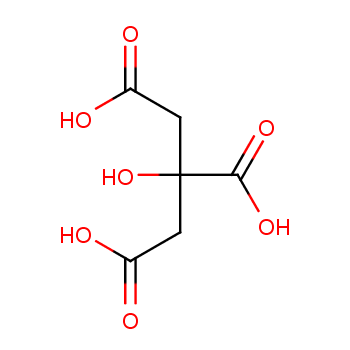
Citric acid is a weak acid that naturally occurs in all citrus fruits. If you've ever dipped your teeth into a lemon, you've tasted citric acid. Manufacturers add its synthetic version to processed foods. Medications containing citric acid can treat health issues like kidney stones. It's commonly used as a preservative in packaged foods and beverages, including hummus, wine, and salsa. While this acid occurs naturally in vegetables and fruits, especially citrus fruits like lemons and limes, most citric acid used as a food additive isn't extracted naturally from agricultural produce. Instead, it's produced in laboratories.


Where to Get Citric Acid?

Where to get citric acid? Citric acid is a widely used ingredient available in various stores. If you need a small quantity, check the baking aisle of your local grocery store, near canned goods or pickling supplies. Specialty food stores and health food stores may also sell citric acid, especially if they offer a wide range of bulk ingredients.

Online retailers also provide citric acid, often at lower price points compared to brick-and-mortar stores. When comparing prices online, be sure to consider shipping costs.

Where to Get Citric Acid?

How to Find Citric Acid in Natural Foods? What has the highest amount of citric acid?

Foods with high natural citric acid content include citrus fruits, especially lemon juice and lime juice. Do mangoes have citric acid? Other fruits and vegetables also contain some natural citric acid. Here are the foods with the highest natural citric acid content:

- Berries (such as strawberries, blueberries)

- Pineapple

- Mango

- Tomato

- Papaya


How can I get citric acid at home?

The DIY method of extracting citric acid from lemons involves the following specific steps:

  • (1) Wear safety goggles and gloves throughout the process. Sulfuric acid can burn your skin and irritate your eyes, causing severe harm if in contact for a sufficient duration. You can rinse off sulfuric acid, but it will still burn for a short time. If the burn damages the skin and appears serious, stop what you're doing and seek medical attention immediately after flushing the area with plenty of water.
  • (2) Pour 450 milliliters of lemon juice into a beaker and test its pH level. Lemon juice or lime juice is the best choice as these fruits contain a very high concentration of citric acid, making the extraction process easier. Test the juice with pH paper—it should be around pH 2 or 3. Avoid using oranges, grapefruits, or other mild citrus fruits that don't taste immediately sour. These fruits have lower citric acid content, and your end result won't be as effective.
  • (3) Add a dropper filled with 10% concentration of sodium hydroxide, then test again. Sodium hydroxide neutralizes the acidity of lemon juice. Add the dropper filled with sodium hydroxide, test the acidity with pH paper, and if the pH isn't 8 or 9, add a few more drops and test again. The solution should turn deep orange.
  • (4) Pour the solution through a coffee filter into another glass beaker. The coffee filter separates the liquid from any solid produced by the reaction. If the coffee filter clogs, pour the liquid into the beaker, replace the coffee filter, and continue pouring the solution through the filter. It may take several attempts to completely filter the liquid.
  • (5) Transfer the filtered solution to a new beaker and inspect for solids. In a clean beaker, check your liquid solution for any obvious cloudiness or floating solids. If present, continue filtering through the coffee filter until the solution clears.
  • (6) Add 28.5 grams (1.01 ounces) of calcium chloride to 70 milliliters of distilled water. Perform this step in a separate beaker from the lemon juice solution. Mix the two together in a small beaker, stirring until all the calcium chloride dissolves.
  • (7) Mix the two solutions and bring the mixture to a boil. Pour the calcium chloride solution into the lemon juice solution, thoroughly mixing before preparing the hot plate. Place the beaker on the hot plate and allow the solution to boil. Do not stir the solution until it begins to boil; afterward, stir slowly but continuously for several minutes.
  • (8) Filter the boiled solution through a coffee filter to separate calcium citrate. The solid formed during boiling is calcium citrate and should be separated from the liquid waste. Again, this may require multiple attempts to fully filter the entire beaker. The filtered liquid can be discarded, but retain the calcium citrate.
  • (9) Mix the calcium citrate with diluted sulfuric acid and stir. Use roughly enough sulfuric acid to just cover the top of the calcium citrate and stir quickly. The exact amount you use will vary slightly depending on the amount of calcium citrate you produce. It won't dissolve easily, but you'll eventually get a pure white solution.
  • (10) Filter the solution with water to force citric acid into the beaker. Most of the calcium citrate will have converted into citric acid by now, but any impurities must be filtered out. The solution will be thick, so pour distilled water into the solution to help force the citric acid through. This will result in a beaker containing clear liquid, only with distilled water and citric acid.
  • (11) Heat the solution over medium heat to evaporate the water in the beaker. Stir the solution regularly while heating, but do not let it boil. As the volume of the solution decreases, you'll notice it starting to become opaque. Remove it from the heat once the volume reduces to about 70 milliliters.
  • (12) Filter the citric acid solution to remove any solids, then allow it to cool in a bowl. Use a coffee filter to pour this opaque solution into the glass bowl. The filtered liquid will be close to pure citric acid. You can let the solution cool longer to produce a more concentrated form of citric acid. If you want to make citric acid crystals, allow the solution to sit and evaporate for about 1 to 2 weeks. Over time, you'll see crystals start to form, but be careful not to disturb them. You can crush these crystals into powder.


What is the best source of citric acid?

Citric acid primarily has two sources: natural sources and commercially produced citric acid.

  • (1) Citrus fruits like lemons, limes, oranges, grapefruits, and other citrus fruits naturally contain citric acid. If you only need a small amount of citric acid for occasional use, such as adding acidity to recipes or for cleaning, this is the most convenient option.
  • (2) Crystalline citric acid: This is the most common form of commercially produced citric acid, available in most grocery stores. It's a white, tasteless crystalline powder, usually recognized as safe (GRAS) by the FDA.

Citric acid in fruits retains some vitamins and minerals naturally present in the fruit. Pure citric acid, consistent in quality, convenient, readily available, requires no special equipment, has a more consistent concentration, and is easier to measure. The best source of citric acid depends on your needs. If you only occasionally need a small amount of citric acid, natural sources like citrus fruits may be the best choice. However, if you need concentrated citric acid for baking, canning, or cleaning, commercially produced citric acid is a better option.


What Are Good Sources of Citric Acid?

While lemons and limes are well-known sources of citric acid, they may not be the most practical choice. Factors such as concentration, cost-effectiveness, and processing requirements should be considered when choosing citric acid. For concentrated citric acid, commercially produced options may be better, while for natural citric acid taste, fresh citrus fruits might be ideal.


What Is the Best Way to Get Citric Acid?

While citric acid can be extracted from citrus fruits at home, it's a time-consuming and low-yield process. In most cases, purchasing citric acid is the most efficient way to obtain it. If you plan to use large amounts of citric acid, consider buying in bulk as this can lower the cost per ounce.


Where is citric acid most commonly found?

Citric acid is most common in various everyday products, including food and beverages, medications, personal care products, and cleaning products. The citric acid in these products is synthetic and is used for:

- Flavoring and preserving food: Citric acid can be added to processed and packaged foods and beverages such as ice cream, soda, and wine. It's used as a preservative, emulsifier, and flavoring agent. Citric acid is also added to many canned and jarred foods to help prevent botulism.

- Medical purposes: Citric acid is used to help kill harmful bacteria and infections on the skin surface, common in diabetes patients, the elderly, and smokers. It can also be used in combination with sodium citrate and potassium citrate to lower acidity in urine to help prevent gout attacks.

- Cosmetics and personal care products: As a component of personal care products, citric acid can help brighten skin tone, correct dark spots, and reduce fine lines. Products containing citric acid can be formulated for use near the eyes, lips, mouth, and nose, and can also be safely applied to infant skin. Citric acid and its salts are also used in hair gels, deodorants, and body sprays.

- Cleaning products: Citric acid can be added to commercial cleaning products as it helps remove hard water buildup on dishes and glassware. It's also used to remove coffee and tea stains, discoloration/yellowness, as well as watermarks and urine stains.


Conclusion:

Through this article, we have learned that citric acid is a widely used chemical in various fields such as food, beverages, cleaning products, etc., with multiple uses and functions. In daily life, citric acid can be obtained from multiple sources, including fruits, food additives, and cleaning products. Mastering the methods to obtain citric acid allows you to find the best source of citric acid to meet your needs, whether it's for cooking, cleaning, or preserving. Let's explore the various options and start using this versatile ingredient immediately!


References:

[1] https://www.chemicalsafetyfacts.org/chemicals/citric-acid

[2] https://www.prevention.com/food-nutrition/healthy-eating/a26006601/is-citric-acid-bad-for-you/

[3] https://www.webmd.com/diet/what-is-citric-acid

[4] https://www.wikihow.com>

Related News
主站蜘蛛池模板: 欧美日韩精 | www.免费av| 日韩精品成人一区 | 日韩精品一区二区视频 | 精品视频www | 中文字幕偷拍 | 天堂久久精品 | 国产精品欧美激情在线 | 久久婷婷网 | 青青草原伊人网 | 欧美一区二区在线免费观看 | 狠狠干婷婷| 欧美高清视频一区 | 久久久精品日韩 | 婷婷九九 | 91免费观看视频 | 欧美高清视频一区二区三区 | 国产在线观看91 | 国产第二页 | 黄色大片黄色大片 | 欧美丰满一区二区免费视频 | 久久国产精品一区二区三区 | 黄色大片免费的 | 久久精品在线免费视频 | 九九精品影院 | 亚洲一区二区三区在线播放 | 色久视频 | 一级片成人 | 久久激情片| 午夜小网站 | 日韩在线观看视频一区二区 | 欧美草草| 一区二区三区在线免费观看 | 亚洲精品偷拍视频 | 狠狠干五月天 | 国产女av | av午夜影院| 免费黄色片网站 | 好男人久久 | 丰满漂亮的日本岳 | www.好了av.com|