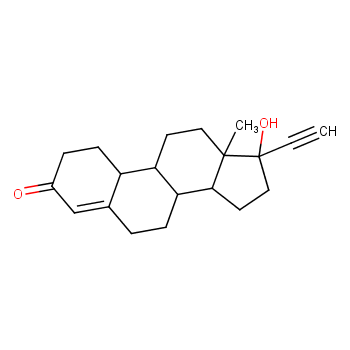
Norethindrone is a white or off-white crystalline powder with no odor and a slightly bitter taste. It is soluble in chloroform, slightly soluble in ethanol, and marginally soluble in acetone, but insoluble in water. Its molecular formula is C20H26O2 with a molecular weight of 298.43. Norethindrone is a progestin that plays a significant role in regulating ovulation and menstruation. It is commonly used for contraception to prevent pregnancy. Additionally, norethindrone is used to treat menstrual disorders, endometriosis, and abnormal vaginal bleeding caused by hormonal imbalances. However, different brands of norethindrone may have various uses; some are focused on contraception, while others address endometriosis or vaginal bleeding issues. To ensure safety and effectiveness, it is essential to use the prescribed brand, formulation, and dosage as directed by a healthcare provider to avoid medication errors.
Menstruation refers to the cyclical shedding and bleeding of the uterine lining influenced by the ovarian cycle. Regular menstruation is an important indicator of female reproductive health and is a normal physiological process in women of childbearing age. Menstrual cycles are typically characterized by a regular pattern and self-limiting nature. The first day of menstruation marks the beginning of the menstrual cycle, with the time between the first days of consecutive periods known as the menstrual cycle, generally ranging from 21 to 35 days, with an average of about 28 days. The duration of each period, known as the menstrual period, usually lasts from 2 to 8 days, with an average of 4 to 6 days. The volume of blood loss during menstruation, called menstrual flow, typically ranges from 20 to 60 milliliters, with over 80 milliliters considered heavy bleeding.
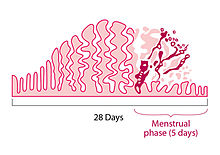
Norethindrone period delay
Norethindrone can be used to delay your period, but how effective it is depends on the type of combined contraceptive pill you are taking. If you are taking a combined contraceptive pill, your period may be delayed depending on the pill. To find out how to delay your period with a combined contraceptive pill, it is recommended to speak to your GP, pharmacist or a professional at a sexual health clinic. If you haven't started using a combined contraceptive pill yet, you will need to start taking it a few weeks before you plan to delay your period. If you don't want to use the pill, your GP may prescribe norethindrone to help delay your period, but it is important to note that this medicine is not suitable for everyone.
Norethindrone can be used to delay menstruation, but the specific effects depend on the type of oral contraceptive you are using. If you are on an oral contraceptive, your period might be delayed depending on the medication. To understand how to delay menstruation using oral contraceptives, it is recommended to consult with a general practitioner, pharmacist, or sexual health clinic professional. If you have not yet started using oral contraceptives, you need to begin taking them a few weeks before planning to delay your period. If you prefer not to use contraceptive pills, your general practitioner may prescribe norethindrone to help delay your period, but be aware that this medication is not suitable for everyone.
Some norethindrone tablets contain a synthetic female hormone called progesterone, which plays a crucial role in regulating the female menstrual cycle, commonly known as Utovlan. Progesterone levels fluctuate during the menstrual cycle and typically decrease at the end of the cycle. This decrease leads to the shedding of the uterine lining, resulting in menstruation. Norethindrone helps maintain progesterone levels, preventing the breakdown of the uterine lining and stopping menstruation from occurring. By using norethindrone, you can delay your period by up to 17 days. To achieve this effect, you should start taking norethindrone 3 days before the expected start of your period, with a dosage of one tablet three times daily. Although the medication is intended for 20 days, the actual maximum delay for menstruation is 17 days due to the start of the medication just 3 days before menstruation begins.
The dosage of norethindrone to delay menstruation may vary among patients. Follow your doctor's instructions or the directions on the label. The information provided here only includes average dosages. Do not alter your dosage unless instructed by your doctor.
Once menstruation has started, it cannot be stopped by any method. This is because the process of shedding the uterine lining has already begun with the decrease in progesterone levels, leading to menstrual bleeding. Therefore, even if norethindrone is used after menstruation has started, it cannot stop the period. Similarly, combined oral contraceptives cannot halt menstruation once it has begun. In fact, no medication can immediately stop menstruation. Although some women report that norethindrone helps delay their period, this treatment generally needs to be started 3 days before menstruation begins. Using norethindrone after menstruation has started may significantly reduce its effectiveness.
Norethindrone is often used as an alternative medication for menstrual control, but there are other medications and methods available to regulate the menstrual cycle. For example, certain types of oral contraceptives can effectively regulate menstrual cycles, reduce menstrual bleeding, or delay menstruation. Hormone replacement therapy (HRT) is also commonly used to address menstrual irregularities caused by hormonal imbalances. Additionally, intrauterine devices (IUDs) and long-acting contraceptive injections are effective methods for controlling menstruation. These methods and medications each have their advantages and applications in menstrual management, and choosing the right option should be based on individual health conditions and medical advice.
Using contraceptive pills for contraception is a relatively safe and effective method that can significantly reduce the likelihood of pregnancy. It is used for all healthy women except those who are breastfeeding. The advantages of contraceptive pills include a high success rate, with up to 99% effectiveness when used consistently. Additionally, it is reversible; fertility returns once the medication is stopped. Furthermore, it offers therapeutic benefits and can be used as an emergency contraceptive. Is norethindrone a potent contraceptive? Oral contraceptives containing only progestin (norethindrone) are a highly effective form of contraception. While more effective than some other methods (such as condoms, cervical caps, or diaphragms), it is less effective than combined hormonal contraceptives (containing both estrogen and progestin) because it does not prevent ovulation continuously.
Norethindrone can be used to regulate menstruation, but its effectiveness varies from person to person. In some cases, norethindrone may help delay or reduce menstruation, but it is not suitable for everyone and cannot guarantee complete cessation of menstruation every time. To ensure safe and effective use of norethindrone and to determine the best plan based on your specific situation, it is advisable to consult a healthcare provider. Professional medical advice will help you understand if norethindrone is appropriate for you and ensure that its use does not negatively impact your health.
[1]Hainan Weikang Pharmaceutical (Qianshan) Co., Ltd. A norethindrone composition freeze-dried tablet and its preparation method: CN201410827611.3[P]. 2015-05-06.
[2]https://www.webmd.com/drugs/2/drug-16321/norethindrone-contraceptive-oral/details
[3]https://www.drugs.com/mtm/norethindrone.html
[4]https://www.mayoclinic.org/drugs-supplements/norethindrone-oral-route/precautions/drg-20137986?p=1
[5]https://baike.baidu.com/item/%E6%9C%88%E7%BB%8F
[6]https://en.wikipedia.org/wiki/Norethisterone
[7]https://en.wikipedia.org/wiki/Menstruation
[8]https://www.chemistclick.co.uk/news/how-can-i-stop-my-period
 |
 |
 |



 3YRS
3YRS


