
Taurine vs Taurate: Understanding the Difference
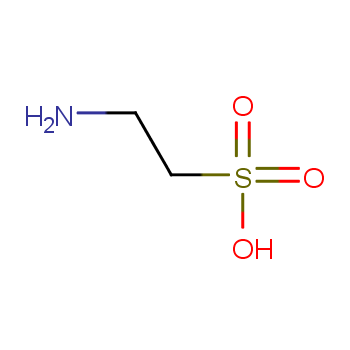
Taurine, with the chemical formula C2H7NO3S and CAS number 107-35-7, is a naturally occurring beta-amino sulfonic acid. It's found in various tissues throughout the body, including the brain, heart, and muscles.
Taurate is the deprotonated or anionic form of taurine, formed when taurine loses a hydrogen ion. In physiological conditions with neutral pH, taurine predominantly exists as taurate, making it the primary form found in the body.
Taurine and taurate are essentially the same molecule. The key difference between taurine vs taurate is simply the ionic state. Taurine is the neutral form, while taurate is the negatively charged form that predominates in biological systems.
Synthesis of Taurine and Taurate
Elemental Composition and Structural Overview
- Taurine/Taurate is composed of carbon (C), hydrogen (H), nitrogen (N), oxygen (O), and sulfur (S). Its structure includes an amino group (NH2) and a sulfonic acid group (SO3H). In its taurate form, the sulfonic acid group is deprotonated (SO3-).
Synthesis Methods
- Taurine is synthesized industrially primarily through the reaction of ethylene oxide with sodium bisulfite, followed by hydrolysis. It can also be extracted from animal tissues, but this method is less common for commercial production.
- Taurate is not synthesized separately; it forms naturally when taurine dissolves in a neutral or alkaline aqueous solution. In this environment, taurine reacts with metal ions, such as magnesium, to create taurate, which enhances its stability and bioavailability in supplements.
Taurine vs taurate refers to the same molecule in different ionic states. The synthesis refers to the production of taurine; taurate is a direct result of taurine's behavior in solution.
Applications: Taurine vs Taurate
As taurine readily converts to taurate under physiological conditions, the applications for both are essentially the same. Both terms are often used interchangeably when discussing their functions in the body. Because the comparison of taurate vs taurine highlights a chemical distinction with little practical difference in biological systems, it's more helpful to consider the broad applications related to this molecule.

Taurine/Taurate's Diverse Roles in Health and Performance
Taurine/taurate plays numerous important roles in the body. Its diverse functions explain its widespread use in various supplements and health products. These functions include, but are not limited to:
- Cardiovascular Health: Taurine/taurate has been studied for its potential benefits in supporting cardiovascular function. It may help regulate blood pressure by influencing calcium handling in heart cells and promoting healthy blood vessel function. Some research suggests it may also have positive effects on cholesterol levels. Further studies are ongoing to explore these potential benefits.
- Neurological Function: In the brain, taurine/taurate acts as a neurotransmitter and neuromodulator. It is involved in regulating neuronal excitability and has been studied for its potential role in protecting against neuronal damage. Because of this, taurine/taurate can promote cognitive health.
- Muscle Function and Exercise Performance: Taurine/taurate is found in high concentrations in muscle tissue and plays a role in muscle contraction and relaxation. It is thought to reduce muscle fatigue and improve exercise performance by acting as an antioxidant and buffering changes in pH during intense activity. This is a key reason why it is often included in energy drinks and pre-workout formulas. The benefits on the muscular system highlight what makes taurine effective as a supplement.
- Antioxidant and Anti-inflammatory Effects: Taurine/taurate acts as a powerful antioxidant, scavenging harmful free radicals and protecting cells from oxidative stress. It also exhibits anti-inflammatory properties, which can contribute to overall health and well-being.
- Osmoregulation and Cell Volume Control: Taurine/taurate helps maintain proper cell volume and fluid balance by regulating the movement of water, electrolytes, and other solutes across cell membranes. This function is vital for the proper functioning of various tissues and organs.
- Eye Health: Taurine is highly concentrated in the retina and plays a crucial role in maintaining proper visual function. Some studies suggest that taurine supplementation may be beneficial for certain eye conditions.
- Metabolic Function and Insulin Sensitivity: Some studies suggest that taurine/taurate may improve insulin sensitivity and glucose metabolism, which can be beneficial for individuals with or at risk of type 2 diabetes. The taurate vs taurine chemical identity has the same metabolic function.
- Bile Acid Conjugation: Taurine conjugates with bile acids in the liver, which aids in the digestion and absorption of fats.
Specific examples of taurine/taurate applications in products:
- Energy drinks and sports performance supplements
- Dietary supplements for cardiovascular and neurological health
- Eye drops and vision support formulas
- Infant formula
- Pet food
Conclusion
In summary, taurine and taurate are the same molecule in different ionic states. The term "taurate" refers to the form that exists under physiological conditions. Therefore, the comparison of taurine vs taurate is primarily a chemical distinction with no practical difference in terms of applications or benefits. It's important to note that while taurine is generally considered safe for most individuals, it's always advisable to consult with a healthcare professional or registered dietitian before starting any new supplement regimen, especially if you have pre-existing health conditions or are taking other medications.
Disadvantages and Considerations of Taurine and Taurate
| Consideration |
Taurine/Taurate |
| Potential Interactions |
May interact with certain medications (e.g., lithium). |
| Side Effects |
Generally well-tolerated; high doses may cause mild gastrointestinal issues. |
If you're looking to purchase these compounds, Guidechem is your go-to platform for sourcing high-quality raw materials and reliable suppliers. With our extensive global network, we connect you to a wide range of Taurine suppliers, ensuring you find the right products to meet your specific research or production requirements. Whether you're in pharmaceuticals, food additives, or other industries, Guidechem simplifies the sourcing process, offering verified supplier information, competitive pricing, and seamless communication.
References
[1] Hayes, K. C., & Sturman, J. A. (1981). Taurine in metabolism. Annual review of nutrition, 1(1), 401-425.
[2] Ripps, H., & Shen, W. (2012). Taurine: a “very essential” amino acid. Molecular vision, 18, 2673.
[3] Jong, C. J., Azuma, J., & Schaffer, S. W. (2012). Role of taurine in the vasculature. Journal of cardiovascular pharmacology, 60(5), 470.
[4] Biochemistry by Lubert Stryer




 2YRS
2YRS


