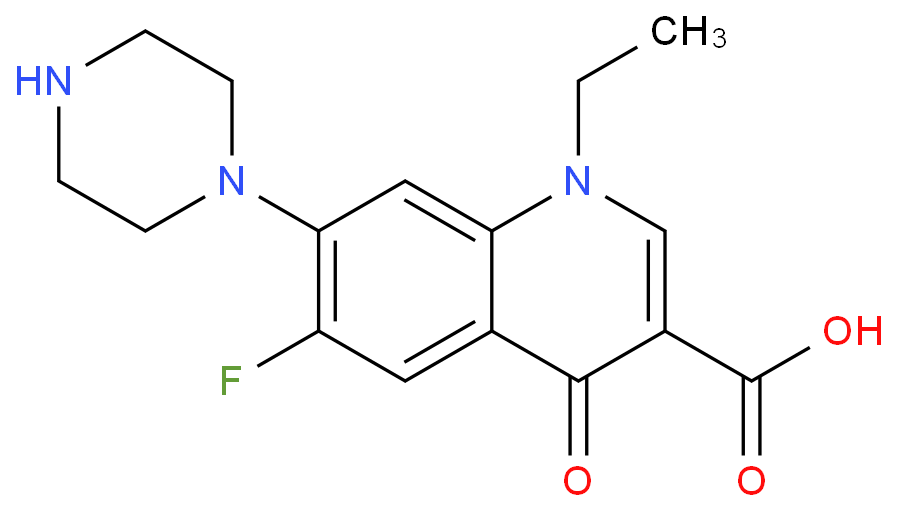
Norfloxacin, an essential antibiotic used for urinary tract infections and other bacterial diseases, has seen significant price fluctuations in recent years. As global markets recovered from the COVID-19 pandemic, prices were influenced by shifting supply and demand dynamics, logistical challenges, and geopolitical tensions. This article offers an in-depth analysis of Norfloxacin prices in major regions, backed by real-time data, market trends, and expert insights. Whether you're a pharmaceutical buyer, supplier, or industry analyst, this guide provides actionable insights into understanding price movements and preparing for future shifts.

In the first half of Q4 2022, Norfloxacin prices in North America were on an upward trajectory, driven by strong demand from the pharmaceutical sector. However, by November, the market experienced a price peak of USD 37,250/MT CFR New York. This was primarily due to sustained end-user demand and lingering supply chain issues that had been exacerbated by shipping cost increases.
? Expert insight: The market began to soften in December as demand slowed, and inventories built up. This resulted in a sharp price decline towards the end of the year.
? Key takeaway: Pharmaceutical companies may want to manage inventory levels carefully, anticipating potential volatility in the post-holiday period.
During Q3 2022, Norfloxacin prices in North America surged to USD 35,780/MT CFR Hamburg. Several factors contributed to this spike, including inflationary pressures and disruptions in the global supply chain. The combination of higher freight costs, suspended shipments, and increased pharmaceutical demand helped fuel these price hikes.
? Buyer advice: In times of rising prices, negotiating long-term contracts or securing early orders can help mitigate cost increases.
In the Asia-Pacific region, particularly China, Norfloxacin prices showed sharp fluctuations in Q4 2022. Prices were relatively high in the early part of the quarter, reaching USD 34,210/MT FOB Shanghai, as strong demand met with constrained supply. However, the rise in COVID-19 cases in November led to a decline in production and trade momentum, which ultimately softened the prices.
? Local insight: Lower freight costs and reduced shipping demand in November made it easier for traders to balance the supply-demand equation, leading to lower prices.
In Q3, Norfloxacin prices showed an upward trend due to tight supply conditions. This was exacerbated by strict COVID-19 lockdowns in some major manufacturing hubs, which led to decreased exports and increased production costs. By the end of the quarter, prices were recorded at USD 32,680/MT FOB Shanghai, reflecting a healthy recovery.
? Strategy tip: Monitor key manufacturing regions for disruptions, as these can significantly affect the pricing of Norfloxacin in the market.
In Europe, the market for Norfloxacin followed a similar trajectory to that of Asia-Pacific. Prices reached USD 40,355/MT CFR Hamburg in November due to strong demand from the pharmaceutical sector. However, by December, demand decreased sharply, and with ample supply, prices softened significantly.
? Insight for buyers: End-of-year slowdowns in demand and stockpiling practices can offer opportunities for price negotiation in the European market.
The European Norfloxacin market saw significant price fluctuations during Q3 2022. Rising energy costs, driven by the Russia-Ukraine conflict, along with delayed exports from China, kept prices high. By the end of the quarter, the price stabilized at USD 38,680/MT CFR Hamburg.
? Practical tip: Buyers should keep an eye on geopolitical developments that could impact energy prices and shipping costs, which are major factors influencing Norfloxacin prices in Europe.
Supply Chain Disruptions: Freight costs, port congestion, and factory shutdowns can all drive short-term price increases.
End-User Demand: High demand for antibiotics due to seasonal infections or specific health trends (e.g., rising UTIs) can influence pricing.
Geopolitical Events: Energy costs, global trade tensions, and COVID-19 policies impact pricing dynamics, especially in production hubs.
Local Manufacturing Capacity: Regional price variations are often driven by local supply and demand conditions, making it essential to track regional production trends.
Plan Ahead: Secure contracts early, especially when prices are volatile.
Diversify Suppliers: Reduce risks by working with multiple sources, particularly in regions with volatile markets.
Monitor Global Events: Keep abreast of geopolitical issues and global health trends that could affect demand and supply.
Norfloxacin prices have shown considerable volatility in 2022 due to various supply-side and demand-side factors. As we move into 2023, stakeholders should expect continued fluctuations, especially given ongoing global challenges such as supply chain disruptions and inflationary pressures. By leveraging insights from market trends and employing strategic procurement practices, buyers can mitigate risks and optimize their purchasing strategies.
Stay updated with Norfloxacin price forecasts to make informed decisions for 2023 and beyond. Contact us for personalized pricing reports or to discuss bulk procurement options.
|
 |
 |
|


 2YRS
2YRS

