Why Monitoring Valsartan Price Matters in 2025
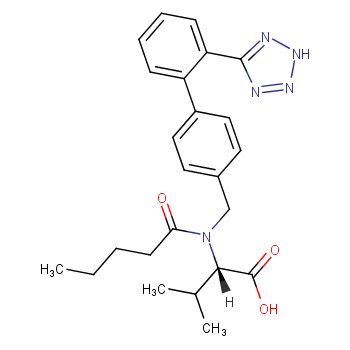
The Valsartan price in 2025 is being shaped by complex global factors including tariffs, inventory cycles, logistics, and healthcare demand. As a critical antihypertensive API, even minor price fluctuations can have significant implications for pharmaceutical manufacturers, distributors, and hospitals.
Drawing from supply chain monitoring and procurement experience, buyers who track both regional price indices and freight/logistics trends can secure better pricing and reduce risk in volatile quarters.

Q3 2025 Regional Analysis
North America — USA Prices Decline by 2.44%
- Average price: USD 79,546.67/MT
- Price Index change: -2.44% QoQ
Driving Factors:
- Excess inventory from previous quarters reduced urgency for new orders.
- Lower freight costs due to improved logistics reduced landed prices.
- Tariff uncertainty slowed procurement, creating a cautious buyer environment.
Compared to Q2 2025, the decline in Q3 represents a cumulative 1.4% reduction from mid-year highs, showing that destocking significantly impacts short-term pricing.
Procurement teams can leverage low-demand periods to negotiate longer-term supply contracts at reduced rates.
APAC — China Prices Fall by 2.40%
- Average price: USD 79,400/MT
- Price Index change: -2.397% QoQ
Market Influences:
- Export demand remained muted as buyers cleared inventories.
- Aggressive discounting by suppliers to stimulate off-take.
- Lower freight rates gave buyers negotiating leverage.
Timing purchases after seasonal slowdowns or during port congestion recovery can reduce procurement costs by up to 3-5% compared to peak periods.
Europe — Germany Prices Decline 2.41%
- Average price: USD 79,511.67/MT
- Price Index change: -2.41% QoQ
Key Observations:
- Elevated stock levels kept buyer urgency low.
- Asian exports increased competitive pressure.
- Stable production costs prevented price-driven supply shocks.
European distributors should diversify sourcing between APAC and local suppliers to mitigate oversupply impacts.
Q2 2025 Volatility — Tariffs and Logistics Impact
North America
- April: Prices declined due to 145% tariffs on Chinese imports and high inventories.
- May: Prices surged +3.15% following a temporary tariff suspension, leading to bulk procurement and freight congestion.
- June: Prices fell -1.05% as demand normalized and shipping costs eased.
Tariff announcements can trigger short-term volatility exceeding 5% price swings, so advance monitoring is critical.
APAC
- April: Weak export demand and high inventory led to price drop.
- May: Export surge and 27% higher freight rates drove prices up.
- June: Oversupply and easing logistics led to slight decline (-1.15%).
Freight capacity bottlenecks can have a larger impact on landed prices than raw material cost changes.
Europe
- April: Oversupply due to US tariffs rerouting shipments pressured prices.
- May: Northern European port congestion caused a temporary price spike (+3.12%).
- June: Price fell back as inventories were liquidated.
Monitor both port congestion and cross-regional supply flows to predict short-term price spikes.
Key Factors Influencing Valsartan Price
-
Inventory Cycles:
- High stock → downward pressure
- Low stock → upward pressure
-
Trade Policies & Tariffs:
- Tariff changes in US-China trade can shift pricing by 3–5% in one month.
-
Logistics & Freight Costs:
- Container availability and port congestion significantly impact spot prices.
-
Healthcare Demand:
- Seasonal procurement, budget cycles, and distributor strategies affect near-term demand.
Insight Table: Q3 2025 vs Q2 2025 Price Movement
| Region |
Avg Price Q2 |
Avg Price Q3 |
QoQ Change |
Main Driver |
| USA |
80,701.67 |
79,546.67 |
-2.44% |
Destocking, tariff caution |
| China |
81,000 |
79,400 |
-2.40% |
Export slowdown, discounts |
| Germany |
81,375 |
79,511.67 |
-2.41% |
Oversupply, Asian imports |
Historical Context — Q1 & Q4 2024
- Q1 2025: Tariff anticipation, Lunar New Year supply disruptions, and logistics led to moderate fluctuations.
- Q4 2024: Initial price increases were followed by declines due to oversupply and weaker end-user demand.
Price cycles are predictable: stockpiling → oversupply → correction → stabilization. Experienced buyers align procurement strategies with these cycles for cost efficiency.
Conclusion & Actionable Insights
- Valsartan price in 2025 is primarily influenced by inventory levels, tariffs, logistics, and regional demand cycles.
- Short-term softness is expected when inventories are high; rebounds can occur if supply is disrupted or policies change.
-
Actionable Advice:
- Monitor inventory and tariff updates for timing purchases.
- Negotiate flexible contracts during low-demand periods.
- Diversify sourcing between APAC and Europe to hedge regional volatility.
For tailored pricing insights or regional supply forecasts, consider consulting specialized market intelligence services to optimize procurement decisions.




 2YRS
2YRS

