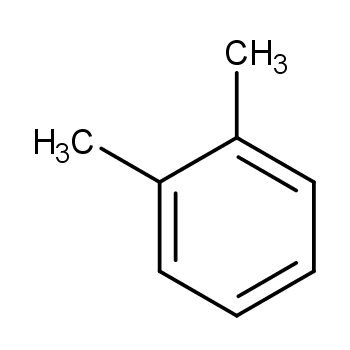
The global aromatics sector continues to evolve in 2025, with the o-Xylene price influenced by feedstock volatility, downstream demand, and regional trade flows. As a key raw material for phthalic anhydride (PA) and plasticizers, o-xylene plays an essential role in construction, automotive, and packaging industries.
Tracking the o-Xylene price trend helps buyers and suppliers anticipate cost movements, optimize procurement strategies, and manage supply chain risks in a market shaped by both seasonal demand and crude-linked cost pressures.

In Q3 2025, the U.S. market saw the o-Xylene price rise by 7.0% quarter-over-quarter, reaching an average of USD 911.67/MT. Despite this increase, the market showed mixed signals due to inventory build-up and fluctuating export demand.
Key Market Drivers:
Market Insight: Even when prices rise, high inventory levels can cap further gains. Monitoring storage levels at Gulf Coast terminals is critical for short-term pricing signals.
Japan experienced one of the strongest movements, with the o-Xylene price trend rising by 11% in Q3 2025, averaging USD 2350.67/MT.
What Supported Prices:
Practical Takeaway: In APAC markets, feedstock trends often lead pricing direction. Tracking crude oil and naphtha movements can provide early signals for future price changes.
Germany saw a slight decline of 1.23% in Q3 2025, with average prices around USD 1151/MT CFR Hamburg.
Market Characteristics:
Buyer Tip: In stable markets like Europe, negotiating long-term contracts during low volatility periods can reduce exposure to sudden freight or feedstock changes.
Prices fluctuated throughout Q2, ending near USD 900/MT FOB Texas, supported by:
However, by early Q3, easing feedstock costs and improved availability signaled a potential stabilization phase.
Prices ranged around USD 890/MT FOB Busan, reflecting a 4% quarterly decline, followed by recovery in late June.
Key Influences:
Germany maintained a steady USD 1150/MT CFR Hamburg, supported by:
The o-Xylene price is closely tied to naphtha, which follows crude oil trends. Even small fluctuations in crude can significantly impact production costs.
Demand from:
plays a major role in shaping the o-Xylene price trend, especially during seasonal construction cycles.
Changes in export demand—especially from Latin America, Europe, and Asia—can quickly tighten or loosen regional supply.
High inventories often suppress price growth, while tight supply conditions can trigger rapid increases.
The o-Xylene price trend in 2025 reflects a balance between feedstock-driven cost pressure and uneven downstream demand across regions.
Key Takeaways:
For buyers and suppliers, closely tracking crude oil trends, inventory levels, and regional demand patterns will be essential to navigating the o-Xylene price landscape effectively.
If you are managing procurement or supply in the aromatics sector, staying updated on regional price movements can help optimize purchasing decisions and reduce cost risks.
|
 |
 |
|


 1YR
1YR

