The Polylactic Acid market continues to attract attention as global demand for sustainable, bio?based plastics grows across packaging, medical, textile, and additive manufacturing applications. Derived from renewable feedstocks like corn starch and sugarcane, polylactic acid (PLA) is increasingly positioned as a viable alternative to conventional plastics with a lower environmental footprint. According to multiple industry forecasts, global PLA market size is expected to expand significantly through the end of this decade, with several reports estimating the market to be worth multiple billions by 2030 and beyond.
Across regions, pricing dynamics are shaped by feedstock availability, logistic efficiency, inventory balances, and sector?specific uptake—factors that this article explores in detail.

In the U.S., the Polylactic Acid price index rose marginally by 0.18% in Q3 2025, with the average price around USD 2769.67/MT. Spot prices remained muted as domestic production and imports maintained inventories.
What’s Driving Pricing:
Practical Strategy: Buyers can leverage stable inventory trends by negotiating multi?quarter contracts when feedstock cost volatility is low.
In Japan and broader APAC markets, the PLA price index dropped by around 13% quarter?over?quarter, with average prices near USD 3376.00/MT.
Key factors:
Advice for Converters: In oversupplied markets, staggered purchasing and just?in?time ordering can reduce inventory carrying costs while keeping exposure to price declines low.
In Germany, the Polylactic Acid price index decreased by about 2.32%, with the average near USD 2612.67/MT.
Core insights:
Converter Tip: Aligning procurement with known logistic timelines and production capacity projections can help buffer transient supply glitches and reduce spot market dependencies.
Industry reports consistently project robust growth for the Polylactic Acid market size. One analysis estimates the global market at around USD 1.9 billion in 2025, with growth to over USD 5.2 billion by 2033. Another study forecasts the market reaching roughly USD 4.51 billion by 2030, driven by increasing demand in packaging, medical, and sustainable consumer segments.
Factors fueling expansion include:
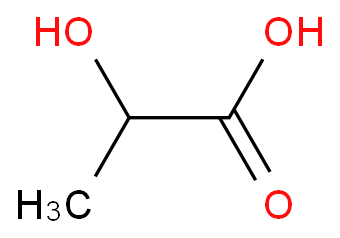
Feedstock such as lactic acid, derived from corn and sugar crops, plays a pivotal role in PLA production economics. Relative stability in these input prices helps contain production costs, but raw material cost spikes—due to weather impacts or commodity market shifts—can transmit quickly into PLA pricing.
Engage with industry peers or leave a comment if you’d like tailored insights for your sector’s PLA pricing outlook.
|
 |
|
|


 3YRS
3YRS

